Whether you like it or not, the circular economy is coming. Eventually, the world will reach the point where it becomes uneconomic to extract virgin resources and existing metals, minerals, and energy will need to be reused.
But how do you factor these elements into your business? How can you start the process of becoming a member of the circular economy before the world forces you to be one?
Design More Durable Products
The first step for many firms is to simply design longer-lasting and more durable products. A lot of companies design items to be used once or twice without really thinking about whether consumers can continue to get life out of them long-term. This problem is endemic in the fashion and electronics industries, but it is also an issue elsewhere, including other items like furniture and vehicles. Companies that want to be part of the circular economy should invest more in their products so that they last decades and can keep providing value to people, even if new models come along.
Implement Circular Supply Chains
Companies wanting to be a part of the circular economy should also think about implementing proper circular supply chains. Partnering with suppliers who believe in the value and necessity of the circular economy can be a bonus.
Part of this process involves sustainable sourcing. Suppliers need to obtain raw materials from renewable stocks, like forests, instead of whittling away existing minerals or mining for metals that can’t easily be replaced by natural processes.
Circular supply chains could also take the form of various take-back programs. These are where you go to consumers and ask them for their items back so you can repair and reuse them.
Patagonia provides an excellent example of this practice in action. The outdoor apparel brand will accept returns of old items and replace them with new ones or refurbish them for its customers so they are ready for another season.
The goal throughout this process is to ensure that the materials reenter production at some point. This process is less energy intensive and reduces the need to open up new mines or exploit wider land areas.
Look For Product-As-A-Service Opportunities
Some firms are also experimenting with the idea of transitioning to a product-as-a-service model to make their enterprises more sustainable. The concept involves getting customers to pay for products on a subscription instead of taking one-time ownership for a price.
Currently, this approach isn’t popular among most consumers. But some companies are making it work, especially for expensive, infrequently-used items, like vehicles. Many people don’t want to pay large fees upfront, but they are willing to pay a smaller fee if it means they can get access to the things they need.
Sometimes, you can advertise product-as-a-service as the superior option for the environment, depending on who your customers are. Many consumers want to go to brands that align with their vision of capitalism in the future and want to see firms creating a new economy that reduces waste significantly.
Work With Partners
Sometimes, companies can’t achieve a circular economy by themselves, but they can work with partners who can help them. For example, you might decide to work with a company that can process your waste and re-insert it into the economy at some other point.
Oil Salvage is a company operating in this sector. It takes waste oil and re-refines it into new products that consumers and businesses can use. It’s an example of a more general trend based on the idea that businesses should avoid physical waste whenever possible, even if business-as-usual practices are economically viable.
Educate Consumers
It’s also critical to educate consumers if you want your business to be a true member of the circular economy. Raising awareness can be helpful and change behavior, moving it in the direction you want it to go.
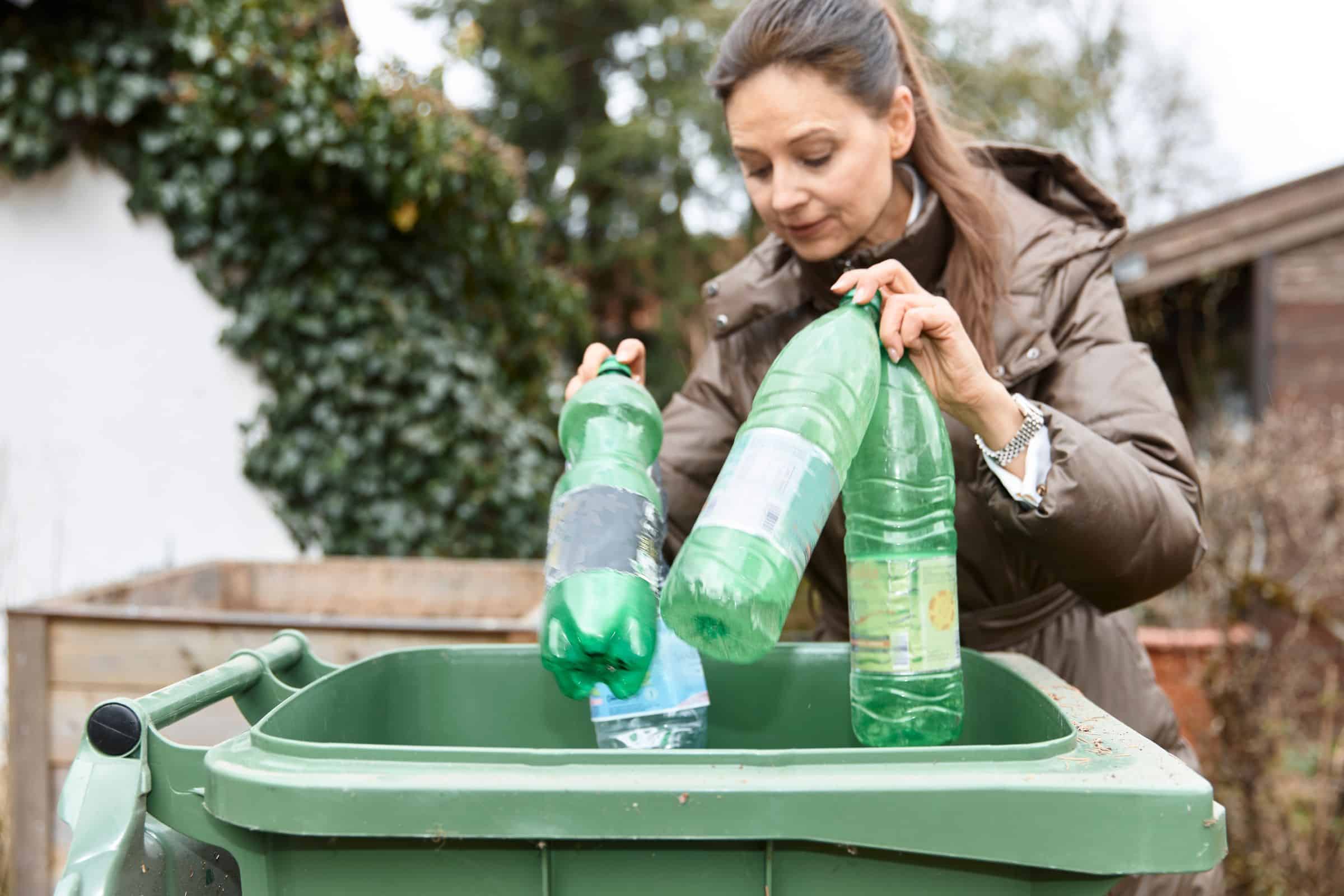
Start by talking to customers about the principles they should adopt in general and specific practices they can employ to do with your firm. Put this information out on social media or use influencers to get the message across to a wider audience more interestingly and compellingly. Make sure you tell customers about schemes they can participate in, such as recycling and buy-back programs, as many may be unaware these exist.
Even better, offer some sort of incentive for the behavior you want to see. For example, you could agree to part-exchange products for new models when they come out, allowing you to take control of the circular aspect of the economy and leave less in the hands of fickle consumers who may not always do the most conscientious thing.
Have An End-Of-Lifecycle Plan
Related to this last point, it also helps to put an end-of-lifecycle plan in place. These allow you to reduce the salvage liability of your products, and increase the overall value.
End-of-life management will vary depending on your products and how you operate. Sometimes, it will mean breaking them down into their component parts and then using individual pieces to construct other products. It could also mean refurbishing and reselling or recycling the constituent materials to make into lower-value products, like disposable packaging.

Work With Innovative Businesses
Perhaps the most important thing you can do is to work with innovative businesses that understand the circular economy and can offer practical solutions. These companies often have new ideas you can trial, allowing you to get green projects off the ground faster.
Look for research institutions working in your area and find out whether they have any innovative breakthroughs on the test bed they would be willing to share with you. These concepts often prove incredibly valuable and can sometimes lead to a fundamental change in your business model if done correctly.
Currently, AI is playing a significant role in the emergence of the circular economy, but it is by no means the only player. We’re also seeing innovative distribution concepts and wonder materials that require less fossil fuel and energy input to do their job.
We sometimes use affiliate links in our content. This won’t cost you anything, but it helps us to offset the costs of the blog. Thank you for your support! The opinions expressed in this article are solely those of the writer and do not necessarily represent those of The We Spot, its employees, sponsors, or affiliates.