Comfy chairs, cosy beds, and all your most precious possessions are things that you absolutely do want in your home. But there are some things you won’t want any sign of in your property as well. You could find these things below, along with info on why they are problematic, and what you can do to prevent them!
Pests
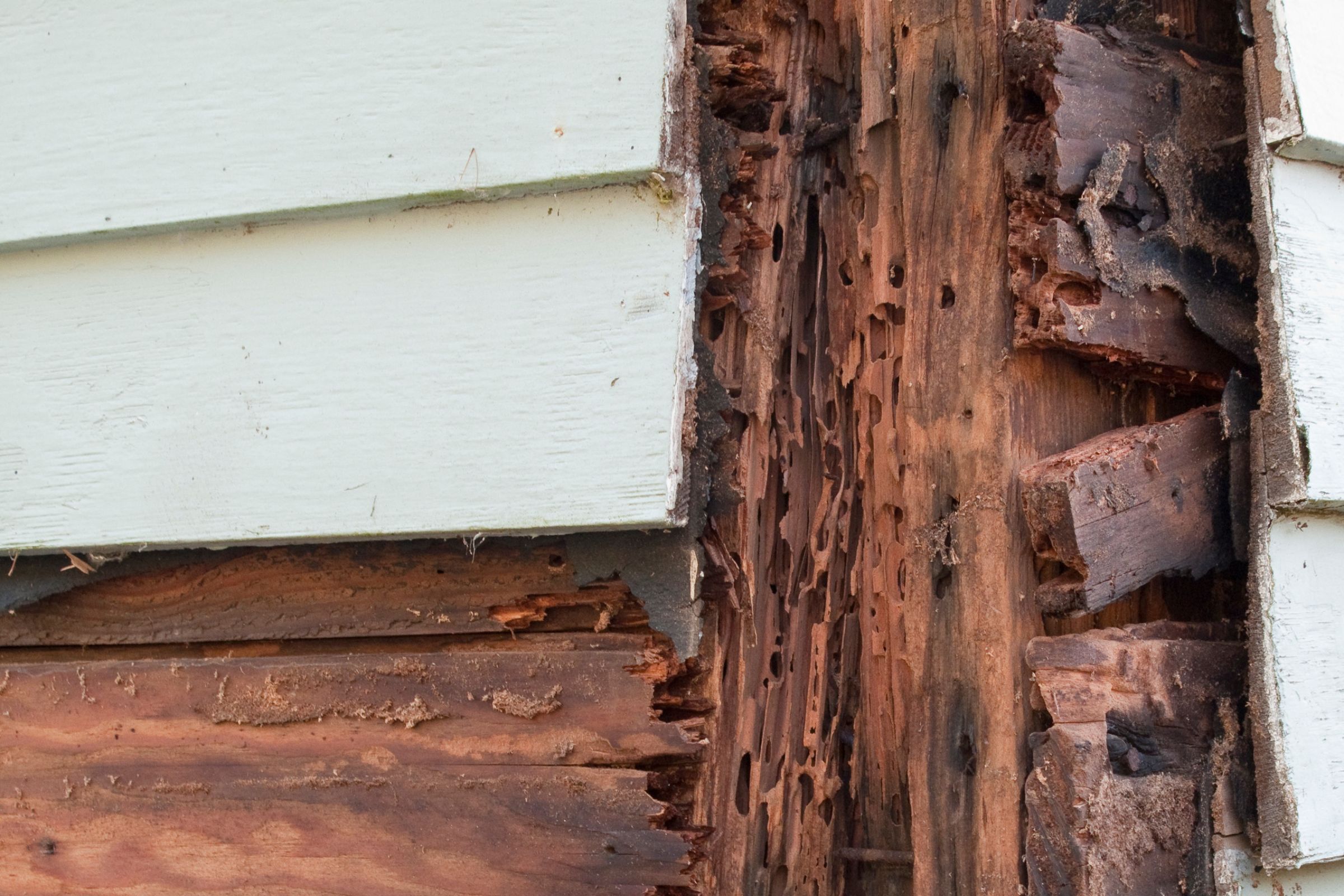
Pests can take a range of forms and can include rodents such as rats and mice, as well as insects such as wasps, termites and ants. The main problems with having an infestation of pests in your home include that they may spread harmful diseases. For example, rats are known to spread disease, including hantavirus, which can be incredibly dangerous if not dealt to humans.
Other types of pests can cause issues such as structural damage. This is particularly relevant to pests such as termites that are known to eat through wooden walls and supports, making your home less stable and secure.
The best way to avoid pests in the home is to make your property as uninviting for them as possible. One way to do this is to keep your home and the surrounding areas as clean and clutter-free as possible. It also makes sense to ensure that you have proper food storage set up and that your garbage is kept as far from the house as possible.
Rainwater
Another thing that you don’t want in your home is rainwater, whether that is in the form of rainfall or in the form of flooding. Indeed, rainwater can be very problematic when it enters the home, as it can cause mold growth and mildew, which not only impacts the items stored in the home but can cause health and odour problems as well.
To prevent rainwater from entering your home, you must first make sure that your roof is robust and in good condition. If it’s not, then working with a specialist roofing company to have it repaired or replaced is vital. Once your roof is sorted, you will also need to make sure that your guttering is functional. This means regular checking for leaks and blockages, especially in the autumn and winter seasons.
Bad wiring
Bad wiring is when there are faults or problems with the electrical wiring in your home. You don’t want this in your property because it poses a massive safety risk of both electrocution and fire. Additionally, bad wiring is likely to mean your energy bills will be disproportionately high, and that you will suffer from frequent power cuts, which can impact the quality of life of anyone living in the property.
Since bad wiring is such a serious risk to the health and well-being of anyone living or visiting your home, preventative measures are vital. Probably the most important preventative measure is to never try and do any electrical work in your house yourself, but always work with a trained and licensed electrician, even for small jobs. Homeowners should also schedule a time to regularly inspect or have a professional inspect their wiring for damage each year.
This article may contain affiliate links, which means we may earn a commission if you purchase through these links. This comes at no additional cost to you and helps support the operations of The We Spot—thank you for your support! The views and opinions expressed in this article are solely those of the author and do not necessarily reflect the views of The We Spot, its owners, employees, sponsors, or affiliates. This content is for informational purposes only and does not constitute legal, financial, medical, or therapeutic advice. Readers should consult a qualified professional before making any decisions based on the information provided.