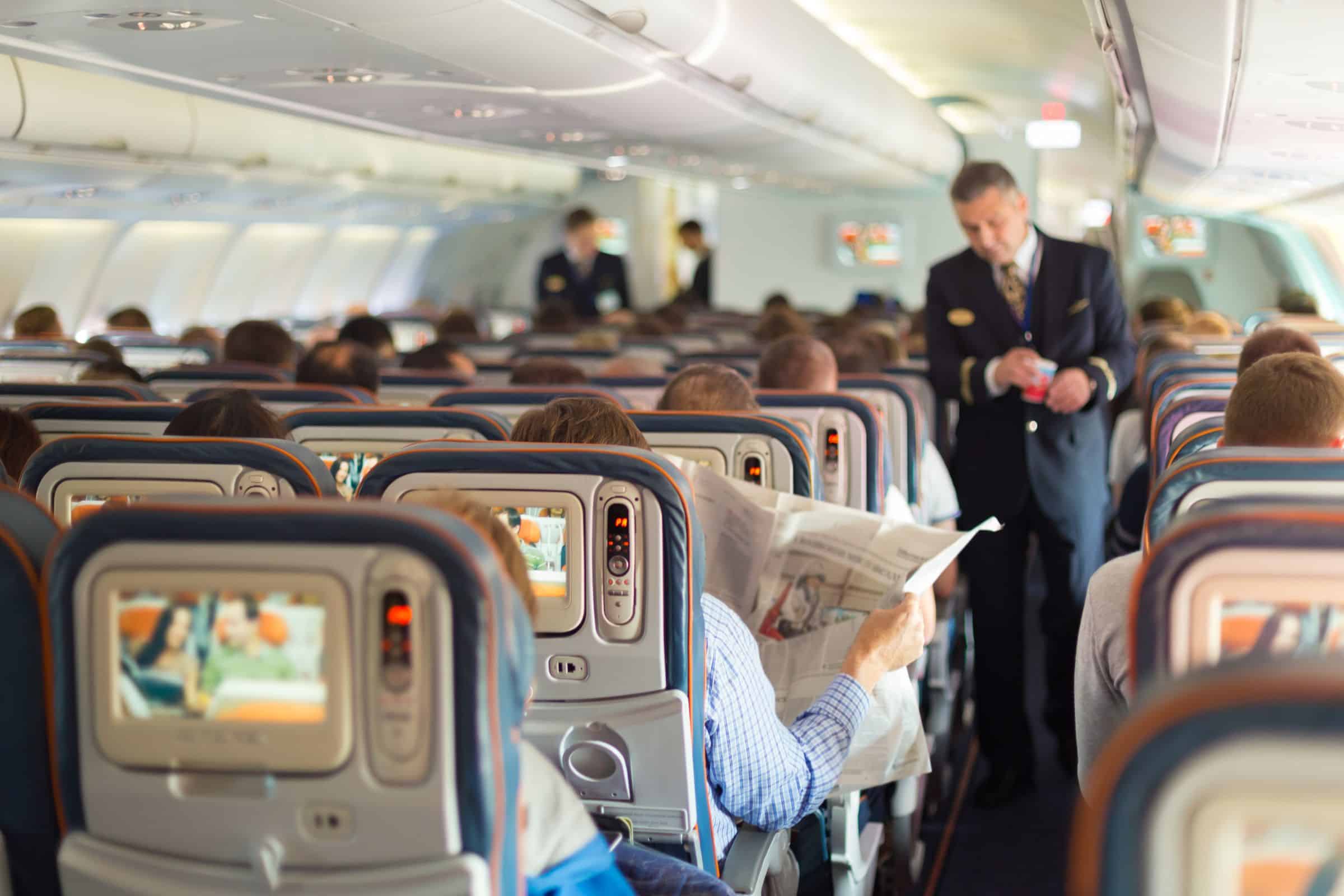
Commercial aviation has turned one of the planet’s most hostile environments—the upper atmosphere—into one of the safest and most comfortable ways to travel. At cruising altitude, the air is thin, cold, and nearly devoid of oxygen. Yet inside the cabin, passengers relax with snacks, read, and even nap as if they were still on the ground. This seemingly effortless experience is made possible by advanced engineering, careful environmental control, and decades of research into flight safety.
According to the Federal Aviation Administration (FAA), the air pressure at 35,000 feet is only about a quarter of what it is at sea level—a condition that would make it impossible to breathe unaided. Yet, through a process called cabin pressurization, aircraft can simulate a safe and breathable atmosphere. But comfort in flight involves far more than oxygen. Engineers and scientists must also balance humidity, temperature, air circulation, and even psychology to create an environment passengers can tolerate for hours on end.
The Thin Air Above the Clouds
Why You Need Help Breathing at High Altitude
At 35,000 feet, oxygen levels are dangerously low, and temperatures can plunge below −60°F. Without a pressure-controlled cabin, passengers would lose consciousness in seconds from hypoxia—the lack of sufficient oxygen in the blood. Cabin pressurization solves this by recreating a safe internal atmosphere that mimics being at about 6,000 to 8,000 feet above sea level, roughly equivalent to the elevation of a mountain town like Denver.
The process works by pumping compressed air into the cabin and regulating how much escapes. This balance maintains enough pressure to keep oxygen at healthy levels while ensuring the aircraft’s structure can safely withstand the stress of differential pressure between the inside and outside.
How Cabin Pressurization Works
In most modern aircraft, air is drawn from the engines—known as bleed air—and cooled, filtered, and mixed with recirculated cabin air before entering the passenger area. Outflow valves then release air in precise amounts to keep the cabin pressure stable as the aircraft climbs or descends. This system operates automatically, but pilots can adjust it manually if needed.
Aircraft made from advanced composites, such as the Boeing 787 Dreamliner and Airbus A350, allow for more efficient pressure control. Their stronger, lighter fuselages can tolerate higher pressure differentials, which means a lower cabin altitude (closer to 6,000 feet) and greater passenger comfort. These innovations have turned once-fatiguing long-haul flights into significantly more bearable experiences.
The Subtle Science of Passenger Comfort
How the Cabin Environment Affects the Body
Even with pressurization, flying takes a physiological toll. The reduced oxygen concentration in the cabin means the body absorbs less oxygen with each breath, leading to mild fatigue or headaches for some travelers. The BBC’s feature on how flying affects the brain explains that reduced oxygen, low humidity, and the stress of travel can subtly alter mood, sensory perception, and cognitive performance. Passengers may feel unusually emotional or sluggish in flight because their brains are working with slightly less oxygen.
Humidity in the cabin typically hovers between 10% and 20%, much lower than typical indoor levels on the ground. This dry air can cause dehydration, dry skin, and throat irritation. That’s why staying hydrated and avoiding alcohol or caffeine is often recommended during flights. Modern aircraft address this by using humidification systems that add moisture to the air, especially in business and first-class cabins.
Why You Feel Different in the Air
Low air pressure also changes how your body—and even your senses—function. Food tastes blander because smell and taste receptors are less sensitive in dry, low-pressure environments. That’s one reason airlines add extra seasoning or umami-rich ingredients to their in-flight meals. Your ears may pop during ascent or descent as they adjust to changing pressure levels, a process that can be eased by swallowing or yawning.
Meanwhile, circulation slows as passengers sit still for hours, and dehydration compounds the feeling of sluggishness. The overall effect is what some call “airplane fatigue”—a mild version of what mountaineers experience at moderate altitude.
Emotional and Psychological Effects
Interestingly, the reduced oxygen levels and stress of air travel can also affect emotional regulation. The BBC article notes that people are more likely to cry during movies on planes than on the ground, a phenomenon tied to mild hypoxia and travel-related stress. The confined space, artificial lighting, and subtle noise levels can all influence how the brain perceives comfort and emotion.
Despite these challenges, the human body is remarkably adaptable. Most passengers adjust quickly and feel little to no discomfort, thanks to the constant environmental control within the cabin.
Engineering for Comfort and Safety
Balancing Structural Integrity with Passenger Well-Being
Cabin pressurization isn’t just about human comfort—it’s also a delicate engineering challenge. Maintaining sea-level pressure inside an aircraft would put enormous strain on the fuselage, increasing wear and reducing the plane’s lifespan. Instead, engineers designed systems that strike a balance between safety and comfort. A cabin altitude of 8,000 feet provides breathable air while keeping structural stress within safe limits.
The air inside the cabin is replaced every few minutes, ensuring cleanliness and oxygen consistency. Contrary to myth, cabin air isn’t “stale.” Roughly half of the air is continuously replaced with fresh, pressurized air from outside, while the other half is filtered through high-efficiency particulate air (HEPA) filters, removing more than 99% of airborne bacteria and viruses.
The Role of Modern Materials
Aircraft like the Boeing 787 and Airbus A350 have advanced beyond traditional aluminum designs. Their carbon-fiber composite fuselages allow engineers to lower cabin altitude and increase humidity without risking corrosion or structural fatigue. This means passengers arrive less tired, better hydrated, and generally healthier after long-haul flights.
These materials also help reduce noise and vibration—two factors often overlooked in comfort discussions. A quieter cabin means lower stress levels and less fatigue for passengers and crew alike.
Safety Systems You Never See
While passengers focus on comfort, engineers focus on safety. Redundancy is built into every major system, including pressurization. If one outflow valve or pressure sensor fails, another automatically takes over. In the event of a sudden depressurization, oxygen masks deploy, delivering oxygen from chemical generators for about 12–15 minutes—long enough for pilots to descend to a safe altitude.
Pilots are trained to recognize and respond to any pressurization anomalies. They also undergo hypoxia-awareness training in altitude chambers to understand how their bodies react to oxygen deprivation. This combination of automation and human expertise ensures that flight safety remains uncompromised.
Beyond Survival: The Psychology of Comfort
Creating an Experience, Not Just a Ride
Today’s aircraft are designed not only to sustain life but to make passengers feel at ease. The psychological side of comfort—lighting, air movement, sound, and even scent—is carefully calibrated to minimize stress. Airlines now experiment with LED lighting that mimics natural circadian rhythms to reduce jet lag and improve sleep quality.
Soundproofing technologies and quiet engines have made cabins more tranquil. Combined with advanced air filtration, these improvements create a sensory experience far removed from early commercial aviation’s loud, stuffy conditions.
What You Can—and Can’t—Take from the Experience
The Reader’s Digest article offers a lighter take: while passengers can take home complimentary amenity kits, they can’t take the comfort systems themselves. Blankets, headphones, and oxygen masks remain airline property for good reason—they’re integral to the aircraft’s safety and comfort operations. The takeaway? Much of what keeps you safe and comfortable in flight is part of a complex system designed for collective benefit, not individual souvenirs.
The Future of Comfort in the Skies
Aviation continues to evolve toward even better comfort and sustainability. Future aircraft will feature smart environmental systems that automatically adapt temperature, pressure, and humidity based on real-time data from sensors throughout the cabin. Artificial intelligence could soon predict and adjust for passenger comfort, while innovations in fuselage design will allow for even lower cabin altitudes.
Air travel has come a long way from its turbulent beginnings. What once required bulky oxygen masks and limited endurance is now a seamless experience powered by invisible technology. Every breath you take at 35,000 feet is the result of generations of engineering dedicated to making the impossible—comfortable.
Final Thoughts
Flying at high altitude exposes you to an environment humans were never meant to inhabit. Yet through careful design, automation, and a relentless focus on flight safety, engineers have made the skies both accessible and pleasant. The next time you settle into your seat and breathe the cool, filtered air of the cabin, remember that an intricate network of technology is working tirelessly to keep you comfortable in the thinnest air on Earth.
This article may contain affiliate links, which means we may earn a commission if you purchase through these links. This comes at no additional cost to you and helps support the operations of The We Spot—thank you for your support! The views and opinions expressed in this article are solely those of the author and do not necessarily reflect the views of The We Spot, its owners, employees, sponsors, or affiliates. This content is for informational purposes only and does not constitute legal, financial, medical, or therapeutic advice. Readers should consult a qualified professional before making any decisions based on the information provided.