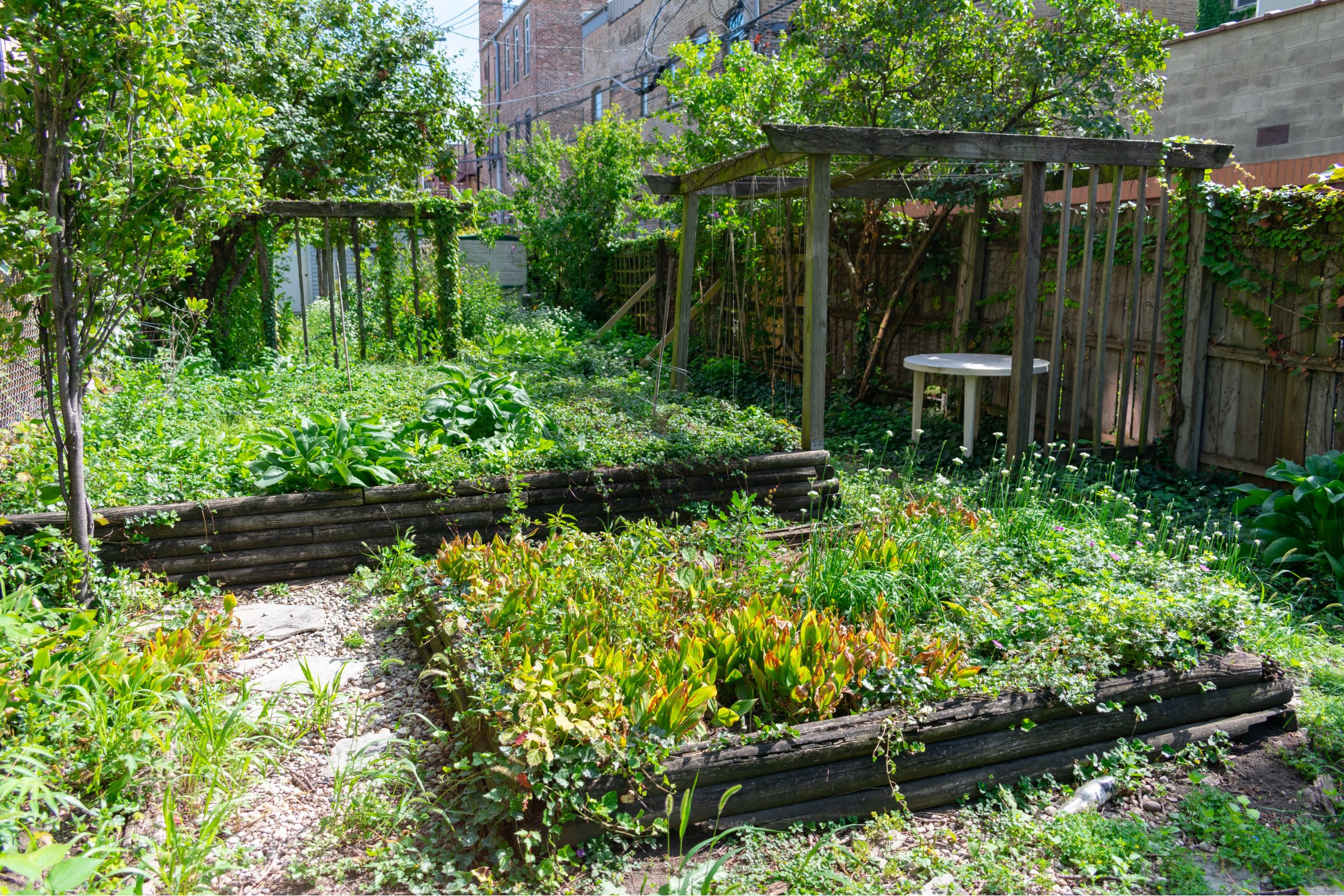
While the natural state of the outdoors isn’t always a perfectly beautiful and well-kept place, it’s fair to say there’s a certain sadness to a garden that has gone unloved for some time. Not only will it be overgrown, but the healthof many of its elements – such as trees, plants, weeds and rot, can make the space uncomfortable, unsafe, and unsightly.
If you’re moving into a brand new household with a torn-up and neglected garden like this, perhaps you’re willing to take on that challenge. However, thinking about the finished product and getting down into the weeds (pun entirely intended) of repair isn’t always an easy proposition. That’s especially true when it’s warm outside and you just want to enjoy your green space, but can’t for obvious reasons.
In this post, we’ll discuss a few places you can start to restore a neglected and unloved garden, resolving issues and putting your stamp of care over a little slice of nature.
Clear The Debris
It’s best to start a garden restoration project with a big cleanup, a very simple and satisfying way to begin, after all. A neglected garden will probably be full of dead leaves, fallen branches, and maybe some rubbish that’s collected over time, so gathering all of that and getting it cleared away can help.
Just be careful about safety, using pickers, thick safety gloves, and skip hire or thick bags to hold it all You might feel a bit confused looking at it all at first, but just grabbing a rake and a couple of bags and getting started is a great way to put your stamp on the space and feel a sense of progression.
Check Structural Integrity
Now is a good time to check on the man-made structures in your garden, as you want them to be safe and certain they won’t fall. You can’t be certain without an inspection, so don’t go in them just yet. Take a look at your fencing to see if there are any loose panels or signs of rot, and make sure your shed is still in good shape, so it’ll protect anything you store in there. Check the foundations and wall qualities, and call a contractor if you’re not sure.
You’ll probably find that a lot of these elements are fine, but you don’t want to learn the hard way. If you’re at all unsure, don’t go in and make plans to tear it down. Also, don’t forget tocheck your walkways and any paved areas for cracks or uneven spots to finish this off.
Inspect The Trees
The trees in an unloved garden might look nice and old, but it’s important to check on their health. Trees can get sick, and a neglected garden means they probably haven’t been looked at for a long time. So, you’ll want to check for dead branches, rot, or any signs of disease on the trunk, since they could pose a danger.
In some cases, a tree might be so damaged it becomes a risk to your home, so you’ll have to consider tree removal. Thankfully, this is something you don’t have to do yourself. It’s best to have a professional handle it, since it can be very dangerous work.
With this advice, we hope you can more easily restore your neglected garden to its full specification.
This article may contain affiliate links, which means we may earn a commission if you purchase through these links. This comes at no additional cost to you and helps support the operations of The We Spot—thank you for your support! The views and opinions expressed in this article are solely those of the author and do not necessarily reflect the views of The We Spot, its owners, employees, sponsors, or affiliates. This content is for informational purposes only and does not constitute legal, financial, medical, or therapeutic advice. Readers should consult a qualified professional before making any decisions based on the information provided.