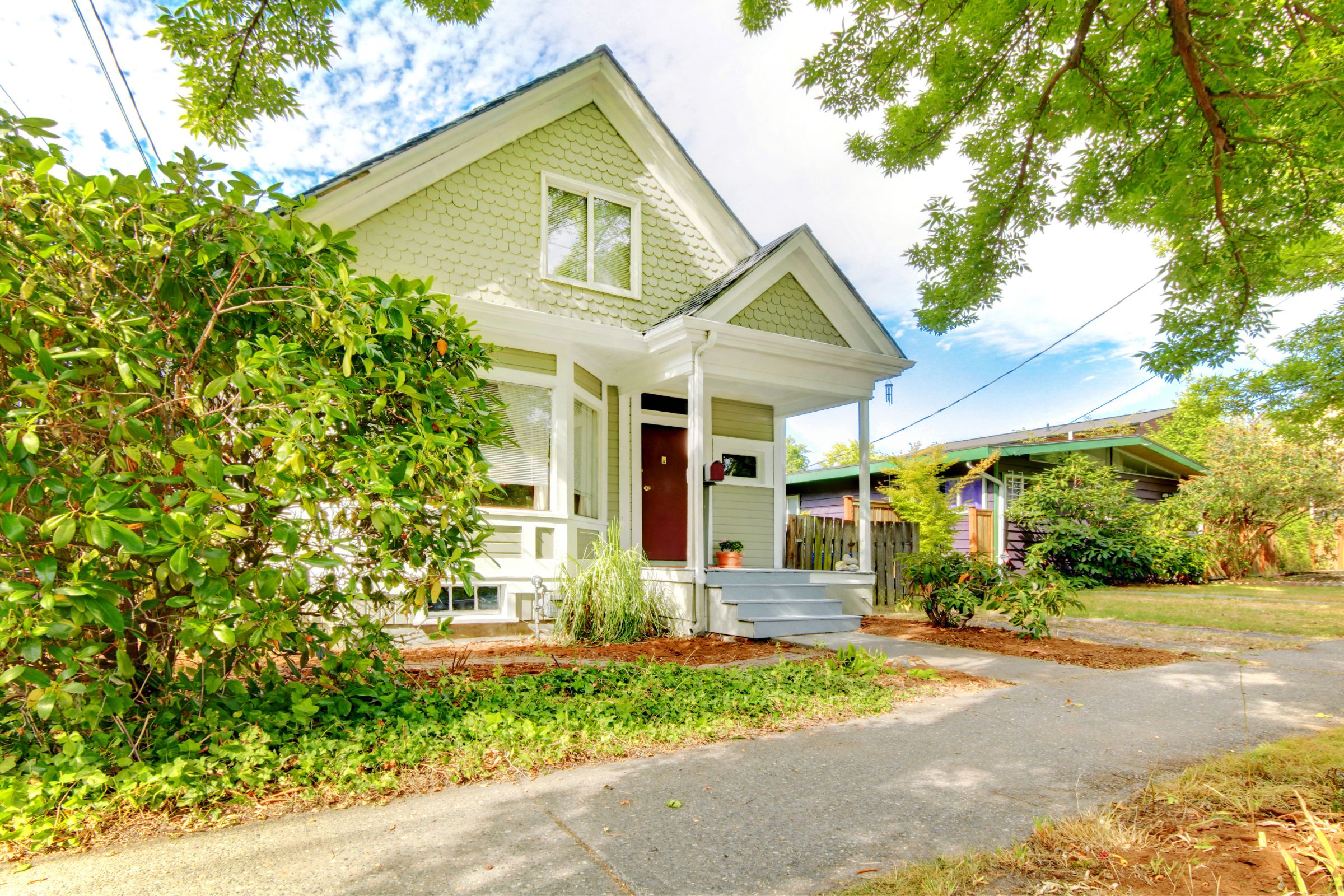
There’s something special about walking through an older house. Besides the character, the history, and the charm, there’s also the price tag, which is lower than that of a newly built home. This makes it all the tempting. But before you fall for an old home or older property, it’s important to remember that older homes can come with hidden costs.
In many cases, buying a new property can be cheaper in the long run. A new home usually requires fewer repairs and comes without the surprise of outdated systems and hidden damage.
With older houses, you’ll need to weigh the appeal against the work that may be waiting for you.
Electrical Systems
One of the biggest concerns with older homes is the wiring. Electrical systems may not meet modern standards, and in some cases, they can even be dangerous. Old or damaged wiring can lead to frequent outages, overloaded circuits, or even fire risks. Knob-and-tube wiring, common in homes built before the 1950s, is especially problematic.
That’s why it’s critical to call in a licensed electrician for a full inspection. They can identify outdated components, recommend upgrades, and even make sure the system is safe. Updating your electrical system is not only about safety, but also about making sure the house can support modern appliances and technology.
Plumbing Systems
Pipes in older homes can be another hidden headache. Corrosion, leaks, or outdated materials like lead or galvanized steel can cause water damage and health concerns. Low water pressure is often a sign of aging plumbing that needs replacement.
A professional plumber can check for issues before you sign on the dotted line. It is often worth updating the plumbing system even before moving in. While it isn’t a small project, it can save you from major water damage and costly repairs down the road.
Roofing
The roof is one of the most expensive parts of a home to repair or replace. And it’s very easy to miss problems during a casual walkthrough. Missing shingles, leaks, or poor ventilation can lead to serious structural issues over time.
So, you definitely want to have the roof inspected by a specialist to give you a clear picture of its condition. If it needs replacement, that is a major cost to factor into your budget. So, it pays off to arrange for an inspection before making a price offer.
Heating System
Old furnaces and boilers may still work, but for how long? Besides, that doesn’t mean they are efficient or safe. Aging systems can drive up utility bills. They may even pose carbon monoxide risks. Depending on the age and condition, sometimes a replacement may be more cost-effective than constant repairs.
When you’re evaluating an older house, it’s a good idea to enquire about the age of the heating system and whether it’s been serviced regularly. If it hasn’t, adding a new system may affect your expenses.
Insulation
Many older properties weren’t built with modern energy efficiency in mind. That means higher heating and cooling bills, and less comfort year-round. In some cases, even the insulation material used could be hazardous, such as containing asbestos, which requires professional removal.
So, it’s important to make insulation check a part of your to-do list when you are considering the purchase of an older home.
While there is no denying that older properties can be fantastic and rewarding investments, they also come with challenges. To make the most of it, you want to approach the purchase with open eyes.
This article may contain affiliate links, which means we may earn a commission if you purchase through these links. This comes at no additional cost to you and helps support the operations of The We Spot—thank you for your support! The views and opinions expressed in this article are solely those of the author and do not necessarily reflect the views of The We Spot, its owners, employees, sponsors, or affiliates. This content is for informational purposes only and does not constitute legal, financial, medical, or therapeutic advice. Readers should consult a qualified professional before making any decisions based on the information provided.