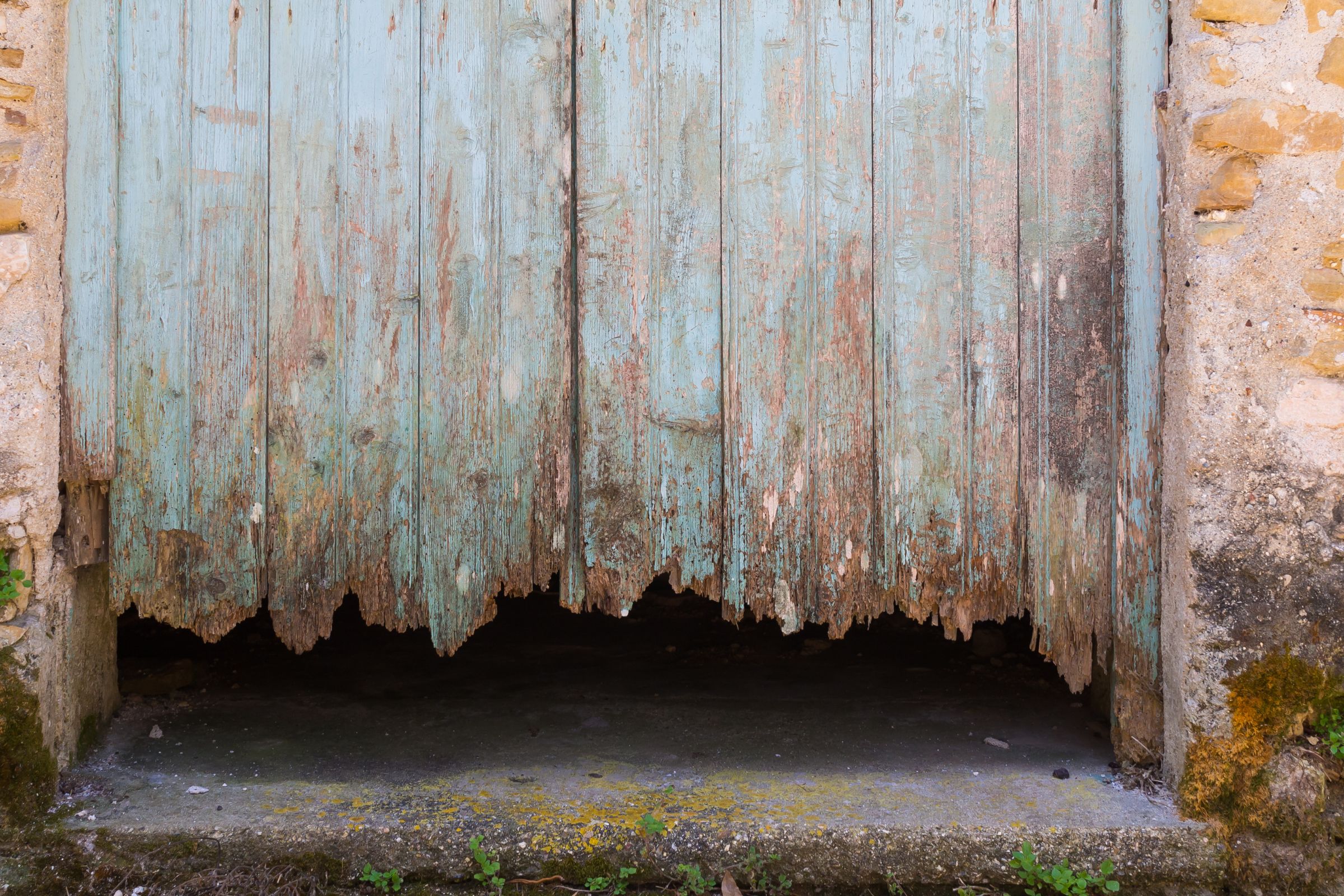
Noticing soft or rotten wood in your home can be concerning. It’s never a fun day when the material structure of your home seems to be deteriorating. While it may seem like a small issue at first, ignoring it can lead to larger structural problems or even safety hazards over time. It’s important to act quickly but also precisely when you discover damaged wood, as it often hints at underlying issues that need attention. In other words, just replacing the wood might not fix the actual issue and prevent it from happening again.
Wood can rot for a wide range of reasons, and finding the source instead of patching up the symptoms is usually the best (and cheapest) long-term solution. Sometimes this rot could be due to water exposure or poor ventilation, while in other cases, it could mean pests have made a home where you least expect and aren’t even polite enough to pay you rent.
But what do you do in these circumstances? Let’s go through it, step by step:
Have The Source Fully Evaluated
Before taking any action (as tempting as that is) figuring out why the wood is damaged is going to prevent it from happening again. If it’s due to water, you might need to check for leaks, poor drainage, or high humidity in the area. You will usually smell this damp issue, but hey, perhaps you didn’t notice it. If the damage seems more extensive or is coupled by visible signs of insects or sawdust, pest control could be necessary to rule out an infestation, as it only takes a few bugs to repeat the problem against new wood. When you have a comprehensive inspection conducted and you know the issue, you’ve won half the battle.
Remove & Replace
Rotten wood cannot be restored back to its original standard, at least not for building purposes, so you’re going to need to replace it. Leaving it just risks the spread of the problem. If the damage isn’t that extensive, you may be able to handle it as a DIY project, cutting out the affected sections and replacing them, or having a contractor do it.
That said, you can still maintain the visual profile you enjoyed before with a new type of wood and reinforce the issues now. It may take a little time to get the trimming right, and a wall may need to be replaced or fixtures need to come down, but it’s worth fixing the issue now than implementing minor piecemeal efforts.
Prevent Future Issues
You can use this opportunity to protect the wood to prevent any future issues like this one. Take it as a learning opportunity. This could mean sealing any exposed wood, fixing leaky pipes, or adding better ventilation or insulation depending on the issue and the room you’re in. If pests were involved, a follow-up visit from pest control can help ensure there are no lingering continuing, or having them come every year to replace the traps or sprays and sealants can help.
With this advice, we hope you can more easily manage that soft or rotten wood you’re dealing with.
We sometimes use affiliate links in our content. This won’t cost you anything but it helps us to offset the costs of the blog. Thank you for your support! The opinions expressed in this article are solely those of the writer and do not necessarily represent those of The We Spot, its employees, sponsors, or affiliates.