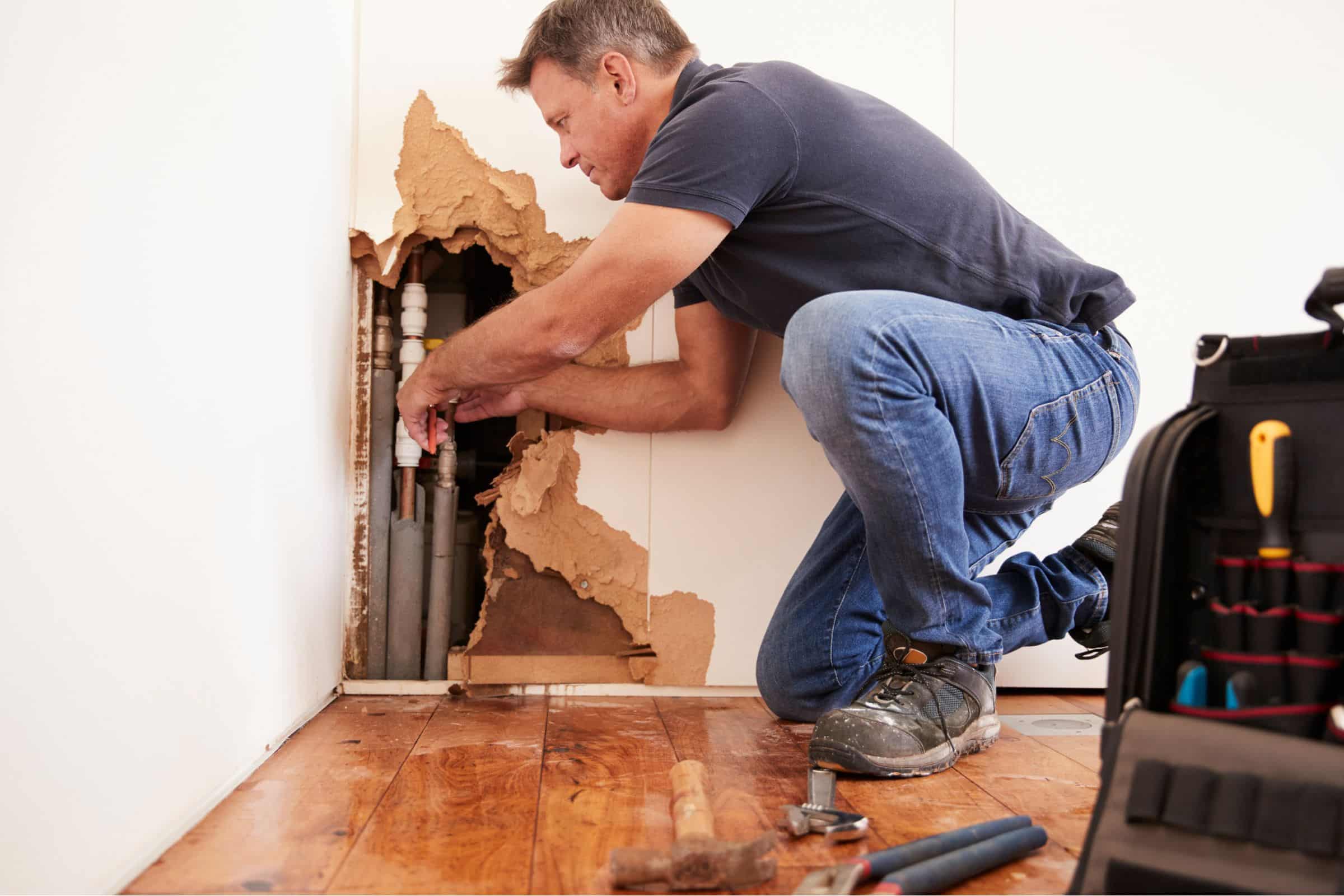
Many homeowners focus on the aesthetic value and comfort of their property, but fundamentally, the home exists to protect you from the elements. When thinking in those terms, most homeowners’ minds go to temperature considerations, working to keep their property cool during the summer and toasty during the winter months.
But actually, it’s water damage that can have the most impact. A single water incident can have huge consequences for a property, potentially impacting structural integrity, causing mold growth, damaging the electrical system, and attracting pests. Homes with water damage also generally have lower property value.
The good news is that water damage is not inevitable. By taking the correct precautions, homeowners can significantly reduce the risk of facing water-related issues in their homes. In this post, we’ll run through some of the most effective strategies for keeping your property exactly as it’s supposed to be: dry.
Tell Everyone Where The Shutoff Valve Is Located
Even the best-maintained homes can have water problems from time to time. You never know when a pipe might burst or a dishwasher might experience catastrophic failure.
When that happens, you could quickly find yourself dealing with large amounts of water entering parts of your property where it’s not meant to be. Shutting off the water valve will help to get things under control, stopping the flow of water until professional help can arrive.
But here’s the thing: that can only happen if the people in your house know where the shutoff valve is located. A family member could call to ask you in an emergency, but that wastes precious time. If they know where to go and what to do, they can easily stop the flow of water and save potentially thousands of dollars’ worth of damage.
Inspect Your Roof
Even minor roof issues can turn into much bigger problems if they’re not handled promptly. In some cases, all it takes is one heavy bout of rain or snowfall before the roof lets in a ton of water.
Roofs can look fine from far away, but problematic up close. That’s why it’s important to make inspections from the roof itself, not from ground level. Most roofing experts recommend inspecting the roof twice a year, or after anything that might have caused problems (such as a heavy storm). They’ll make note of any vulnerable spots or areas of concern and shore them up to offer full protection.
Have Your Gutters Cleaned
Your home’s gutters play a crucial, often underrated, role in moving rainwater away from your property. However, they can only do that if they’re clean and clear of debris. Because of the relatively simple mechanism, many homeowners assume that their gutters are working fine, not realizing that leaves, twigs, trash, and other debris are creating a slow build-up of water that threatens the structural integrity of the roof and foundations. The best way to keep your gutters in full working condition is to periodically hire a gutter cleaning company to remove anything that could be causing — or potentially cause — a blockage. It’s a relatively small investment that can go a long way towards preventing water damage, as well as preventing having to spend a much greater amount of money to make more serious repairs.
Pay Attention To Leaks — And Your Water Bill
A small leak — say, very mild leakage — doesn’t sound like a major problem, but it can quickly cause serious issues. Over time, it can cause damage to floors, walls, ceilings, and potentially the foundations.
It’s easy to postpone fixing minor leaks, but it’s worthwhile to make an effort to contact a plumber as soon as possible. It’s much easier to fix leaks when they’re at a mild level, and keep in mind that they won’t fix themselves.
Some leaks can be hidden. If you notice that your water bill is higher than usual, then you could have a leak somewhere in the property. In that case, hiring a plumber to carry out an advanced check is recommended.
Avoid the Dangers of Frozen Pipes
Pipes that freeze during the winter months can burst when they warm up, unleashing a torrent of water. If you live in an especially cold environment, then it’s recommended to take additional steps to ensure that your pipes are protected during the chilliest periods of the year. Adding foam pipe insulation can help, as can keeping the heating on at a low level — at least in the most vulnerable spaces, such as attics and basements — throughout the winter, even when you’re not at home.
Maintain Your Appliances — And Replace Them When Necessary
Appliances can last for a long time, but they don’t last forever. If you’re lucky, an old appliance will show that it’s time to be replaced simply by failing to work as well as it used to, or at all. If you’re unlucky, a washing machine, heater, dishwasher, or HVAC system will show that they have interior damage by unleashing a significant amount of water.
It’s recommended to invest in basic appliance maintenance, which not only keeps your appliances working as they are supposed to, but also prevents the breakdown of the most important parts. At some point, however, it’ll make more sense to replace your appliances rather than maintain them. Not only will this reduce the risk of water damage, but you’ll also get the other benefits of upgrading your home’s key appliances, such as lower energy bills.
Don’t Manage Plumbing Issues Yourself
Finally, perhaps the most effective way to prevent water damage in your home is to avoid trying to fix plumbing issues by yourself. While it can be tempting to save money on having to call a plumber out to fix the issue, plumbing falls into the same category as electrical work — that is, you should leave it to the professionals who know what they’re doing. You can prevent most plumbing problems from getting worse by shutting off the main valves. Once that’s done, most plumbing issues are not urgent (you’ll just have no water).
This article may contain affiliate links, which means we may earn a commission if you purchase through these links. This comes at no additional cost to you and helps support the operations of The We Spot—thank you for your support! The views and opinions expressed in this article are solely those of the author and do not necessarily reflect the views of The We Spot, its owners, employees, sponsors, or affiliates. This content is for informational purposes only and does not constitute legal, financial, medical, or therapeutic advice. Readers should consult a qualified professional before making any decisions based on the information provided.