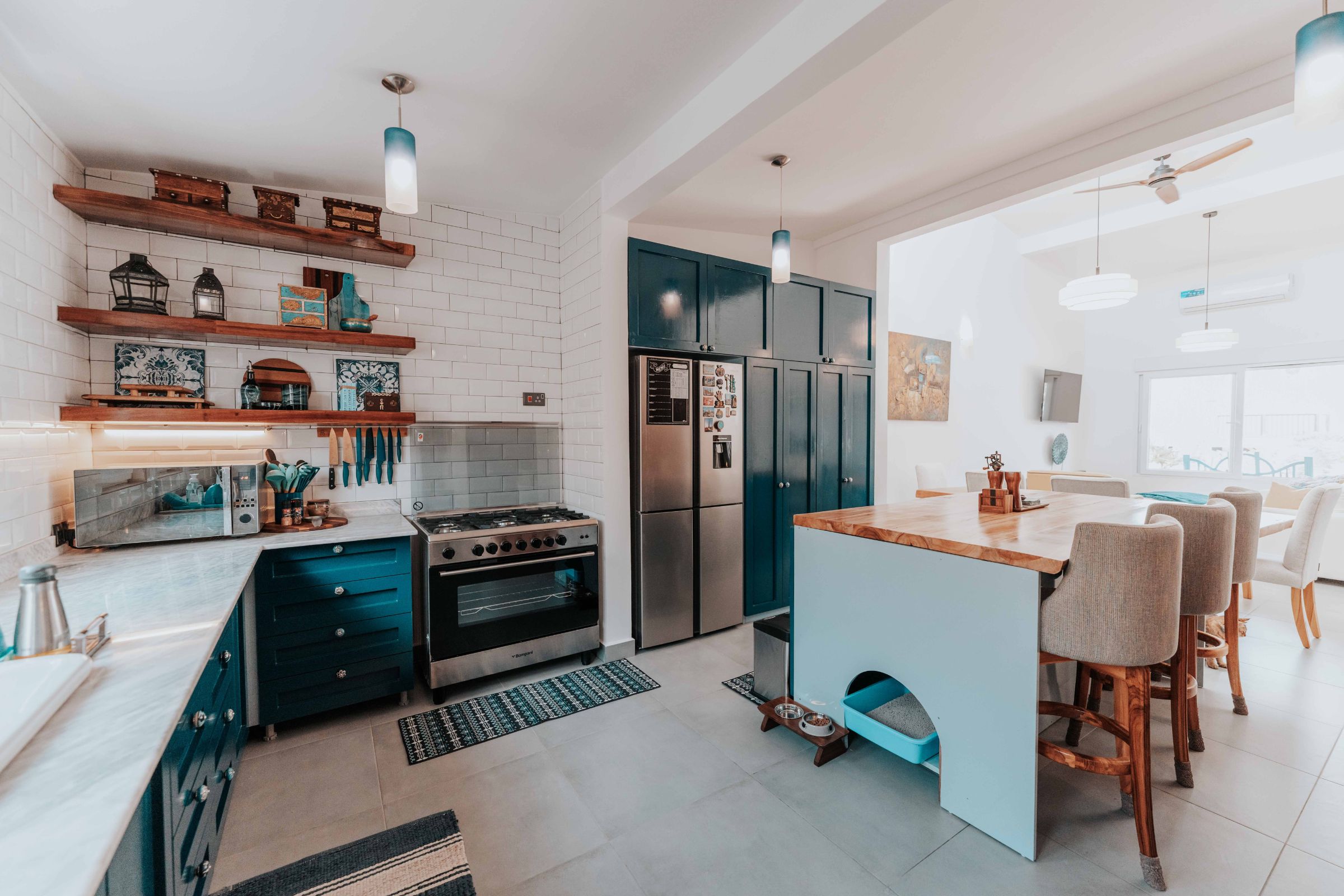
Your home is a mirror; it isn’t just where you eat, sleep, and scroll through endless to-do lists. It’s a living, breathing reflection of who you are, or, sometimes, who you used to be. Every corner, colour, and piece of furniture quietly reveals how you see yourself and what you believe you deserve. Even the smallest details, from the chipped mug you won’t replace to the custom metal railing you proudly installed, say something about your identity, your aspirations, and the story you’re telling the world (and yourself).
How Your Surroundings Influence Your Self-Perception
Step into your home after a long day and notice what happens in the first few seconds. Do your shoulders relax, or do you instantly feel tense? That reaction says more than you think. The environment you live in shapes your emotions, your mindset, and even your energy levels.
Clutter, for instance, can signal unmade decisions. A pile of mail might represent things you’re avoiding. Meanwhile, a clean, minimalist shelf could whisper discipline, or, conversely, a need for control. Your surroundings feed back into your psyche, reinforcing patterns that can either support or sabotage your growth.
Psychologists have long linked personal environments with mental states. People who surround themselves with natural light, art, and order tend to experience higher self-esteem and productivity. On the other hand, those living in spaces that feel chaotic often report increased anxiety and fatigue. The truth is simple but often overlooked: when your home feels neglected, it’s hard not to internalize that neglect.
If you’ve ever walked into a friend’s house and immediately sensed calm, creativity, or warmth, you’ve experienced how space can radiate emotion. Your home does the same for you, whether you realize it or not.
The Power of Intentional Design
Design isn’t about keeping up with Pinterest boards or chasing trends; it’s about being deliberate. Intentional design starts with asking why. Why do you own this? Why does this colour make you feel safe, or unsettled? Why do you keep things that no longer fit the life you’re trying to create?
When you start designing your home around your current values rather than your past habits, you begin to reclaim power over your environment. A thoughtfully chosen lamp can shift your mood. A textured wall hanging might inspire daily creativity. Even rearranging furniture to improve natural flow can change how you move through life.
Here’s the trick: intentional design isn’t about perfection. It’s about alignment. It’s about creating a space that supports the version of yourself you’re becoming, not the version you’ve outgrown.
So maybe it’s time to swap the couch that reminds you of your first apartment for one that fits who you are now. Maybe that gallery wall could include photos from adventures you’ve taken recently, not just memories from years ago. Design becomes powerful when it’s personal.
Elevating Your Environment with Custom Metal Railing
Sometimes the most profound changes come from one transformative detail. That’s where design meets craftsmanship. Take a custom metal railing, for example. On the surface, it’s a practical feature, a safety measure, a boundary. But look closer, and it becomes an artistic statement about permanence, strength, and individuality.
When you choose something custom, you’re declaring ownership over your space. You’re saying, “This isn’t mass-produced. This is mine.” A well-crafted metal railing can turn an ordinary staircase into a sculptural moment, one that reflects both your taste and your attention to detail. It’s functional beauty, the kind that speaks volumes without shouting.
There’s something quietly empowering about surrounding yourself with pieces that were designed with intention. They anchor your space and remind you of your own capacity to create something meaningful. Whether it’s metal, wood, glass, or fabric, the materials you choose tell a story about your values: strength, elegance, durability, artistry. The right piece can redefine how you move through your home, and, by extension, how you see yourself within it.
Making Your Space Reflect Your True Self
If you stripped your home of every object and colour, what would remain? That blank canvas is where reflection begins. Think about how you want your space to make you feel. Then, curate intentionally.
Display your evolution. Don’t hide your milestones. Showcase them through photos, art, or heirlooms that carry your story forward.
Start small. Change one area at a time. A clutter-free desk can spark mental clarity faster than you think.
Choose colours that speak to your current chapter. Earth tones for grounding, blues for calm, warm neutrals for comfort.
Keep only what adds meaning or function. If it doesn’t make your daily life better, it’s taking up space that could.
Add texture and life. Plants, woven baskets, layered textiles, these remind you that growth and imperfection are part of beauty.
When your space begins to feel like an external version of your inner self, you’ll notice subtle shifts, better focus, deeper rest, more peace. The goal isn’t to have a picture-perfect home; it’s to have one that feels like you.
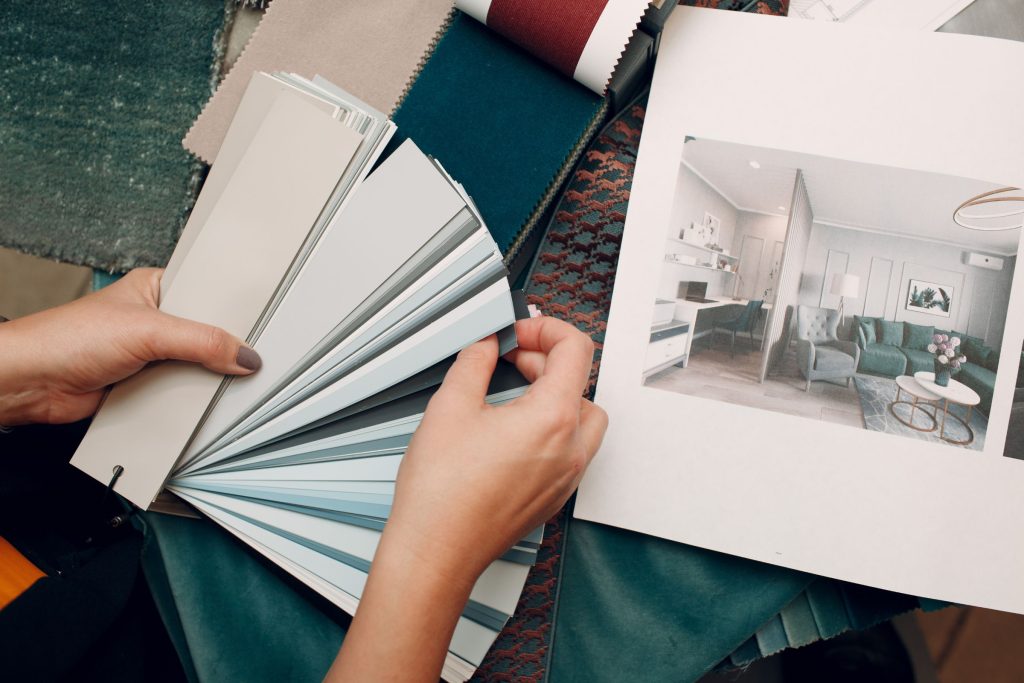
When Home Becomes a Reflection of Healing
It’s easy to overlook how physical spaces hold emotional residue. Maybe there’s a chair tied to a tough memory, or a colour that feels heavy for reasons you can’t quite name. Healing your home often parallels healing yourself.
Releasing what no longer fits, furniture, décor, habits, can be symbolic of letting go emotionally. You might find that as your space becomes lighter, so does your mind. Curating your environment with care is an act of self-respect. It says, “I’m worth living in a place that feels good.”
And sometimes, healing means inviting in the new. A piece of furniture that reflects your current lifestyle, a work of art that embodies hope, or simply rearranging your layout to let in more light. When your surroundings evolve alongside you, they reinforce growth rather than nostalgia.
The Silent Dialogue Between You and Your Home
Your home is always talking to you. The question is, are you listening? The disorganized drawer might be whispering that you’re overwhelmed. The fresh flowers on your table might be quietly celebrating that you’re making time for joy. Every object plays a part in the ongoing conversation between your inner and outer worlds.
Next time you walk through your front door, pause. Notice what story your space is telling. Does it reflect your priorities or your past? Is it helping you grow or holding you back? Because your home, in its own way, is always mirroring your mindset.
When you align your surroundings with your values, something magical happens. You stop seeing your home as just a backdrop and start seeing it as a partner in your evolution. A space that not only shelters you but also reflects your journey, your strength, and your unfolding story.
That’s when your home stops being a mirror of what was and starts reflecting who you’re becoming.
This article may contain affiliate links, which means we may earn a commission if you purchase through these links. This comes at no additional cost to you and helps support the operations of The We Spot—thank you for your support! The views and opinions expressed in this article are solely those of the author and do not necessarily reflect the views of The We Spot, its owners, employees, sponsors, or affiliates. This content is for informational purposes only and does not constitute legal, financial, medical, or therapeutic advice. Readers should consult a qualified professional before making any decisions based on the information provided.