When it comes to adventure travel, few things are more important than finding the best base camp. You need somewhere you can return to at night to rest and recover, especially if you’re in the desert or the high mountains.
But how can you find one of these camps? What should you look for when choosing?
That’s what this post discusses. We take a look at some of the key features you need to get the best possible experience.
Seek Natural Protection
First, you want somewhere that offers natural protection from the elements. Base camps are staging posts, so staying at them shouldn’t feel like a matter of survival. Instead, using them should provide you with respite from the elements, including insect swarms, high heat, direct sunlight, strong winds, and rain.
Once you find somewhere with natural protection, you will discover that your base camp is more restful. Consequently, you’re able to go out into nature more often and have extra energy to do so.
Prioritize Your Location
You also want to prioritize your location, ensuring that you’re close to civilization and climbing/hiking/kayaking routes. Of course, such places can be challenging to find by yourself, but fortunately, communities have usually done this for you already. Established camping grounds and base camps are all over the place and in the right place for you to attempt challenging outdoor activities.
If there aren’t any places nearby, then use maps or apps like AllTrails. These pinpoint high activity areas but also allow you to judge proximity to nearby towns and cities where you can rest and resupply.

Verify Water Availability
Another priority is to check water availability. Established facilities, like the Silver Wind campground, guarantee this, but other locations in the desert or the drier western parts of the U.S. may not.
Water is critical for your long-term survival on the trail since you can only carry so much. Most adventurers use water filter devices and collect water as they go, but this may not be available in the desert. It may also be impossible to find water underground.
Therefore, check the route beforehand and ensure that it provides sufficient water for your requirements. Make sure you can fill up your bottle on the way and resupply as needed for drinking and cooking.
Plan For Comfort
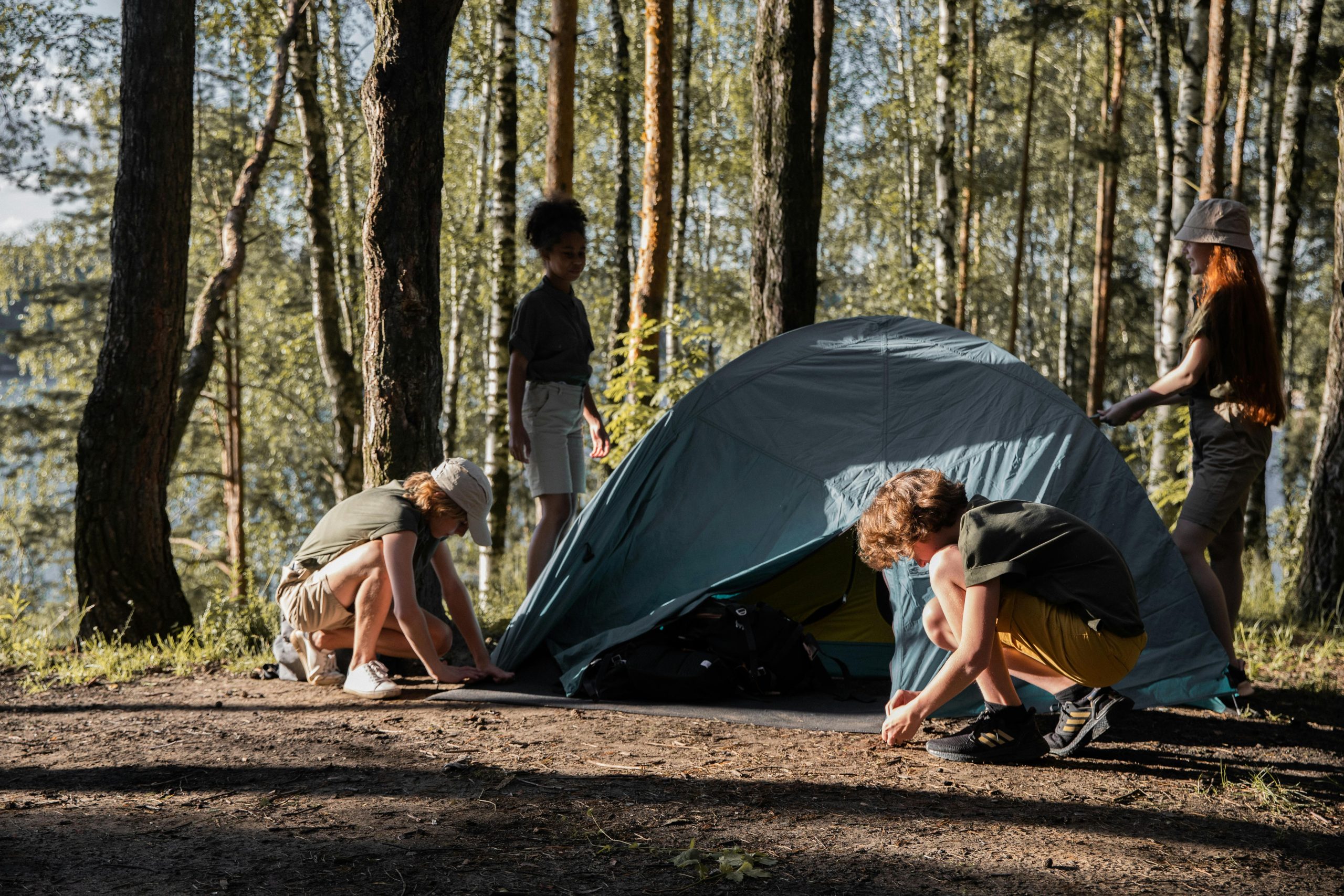
If you can make your base camp comfortable, that’s even better. The best option is an RV since it provides somewhere that’s always dry and doesn’t require a long time to set up, unlike a tent. Plus, you can use it to get warm, which you can’t with regular camping.
Also, it helps if you have normal meals to look forward to when you return. These give you a comforting sensation after hard hikes and vigorous outdoor trips.
Test Your Gear
Finally, you’ll want to test your gear before you travel to ensure it all works. You don’t often realize how much you depend on it until you get out into the wilderness and it’s all you have.
This article may contain affiliate links, which means we may earn a commission if you purchase through these links. This comes at no additional cost to you and helps support the operations of The We Spot—thank you for your support! The views and opinions expressed in this article are solely those of the author and do not necessarily reflect the views of The We Spot, its owners, employees, sponsors, or affiliates. This content is for informational purposes only and does not constitute legal, financial, or therapeutic advice. Readers should consult a qualified professional before making any decisions based on the information provided.