To have peace of mind at home is priceless, but that doesn’t have to come at the cost of technology-only solutions. While gadgets and security systems do seem like the obvious answer, old-school tactics can just as effectively keep burglars at bay. In this blog, we will look at different ways to burglar-proof your home and strengthen your security without using technology alone.
Reinforcing Exterior Doors
Your main entryways to your home are the first line of defense against intruders. Make sure all the exterior doors are solid and sturdy, preferably made of steel or solid wood. Replacing hollow-core doors, which are easily forced open, with heavy-duty deadbolts and strike plates to add even more resistance. Any potential burglars will quickly give up on opening such solid access points.
Secure Sliding Glass Doors and Windows
Sliding glass doors and windows can be easy targets for break-ins due to their fragility. A wooden or metal dowel placed in their tracks can help deter intruders from forcing it open, while burglar-proof security screens act as additional deterrence measures. Upgrade the locks or latches as soon as they appear weak. Always lock all sliding doors before leaving home or heading off to sleep.
Create the Illusion of Activity
Burglars are skilled opportunists, and an empty home is an easy target. To ward off potential intruders, curtains or blinds left partially open may create the appearance that someone is inside. Leaving some everyday items, such as coffee mugs on tables or shoes by entryways, also helps give this impression of activity and uncertainty to potential intruders. Your goal should be to keep potential intruders guessing whether your house truly remains unoccupied.
Maintain Your Landscaping
Overgrown bushes and trees not only damage your home’s curb appeal but also offer burglars prime hiding places. Trim the shrubbery near the windows and doors to eliminate places where an intruder could easily hide. Plant thorny rose bushes or bougainvillea as natural deterrents near windows through which an intruder could enter unnoticed. A well-kept yard sends out signals that there’s no easy cover available here, giving you more security against intruders.
Use Fencing Strategically
A fence is a physical barrier between your home and would-be thieves, but not all fencing options provide equal protection. Choose designs that make climbing difficult, such as wrought iron or vertical slat fences with limited footholds. These might provide better security to burglar-proof your home than privacy fences that obstruct views entirely of your property and give burglars cover to enter easily.
Have a Dog-Friendly Setup
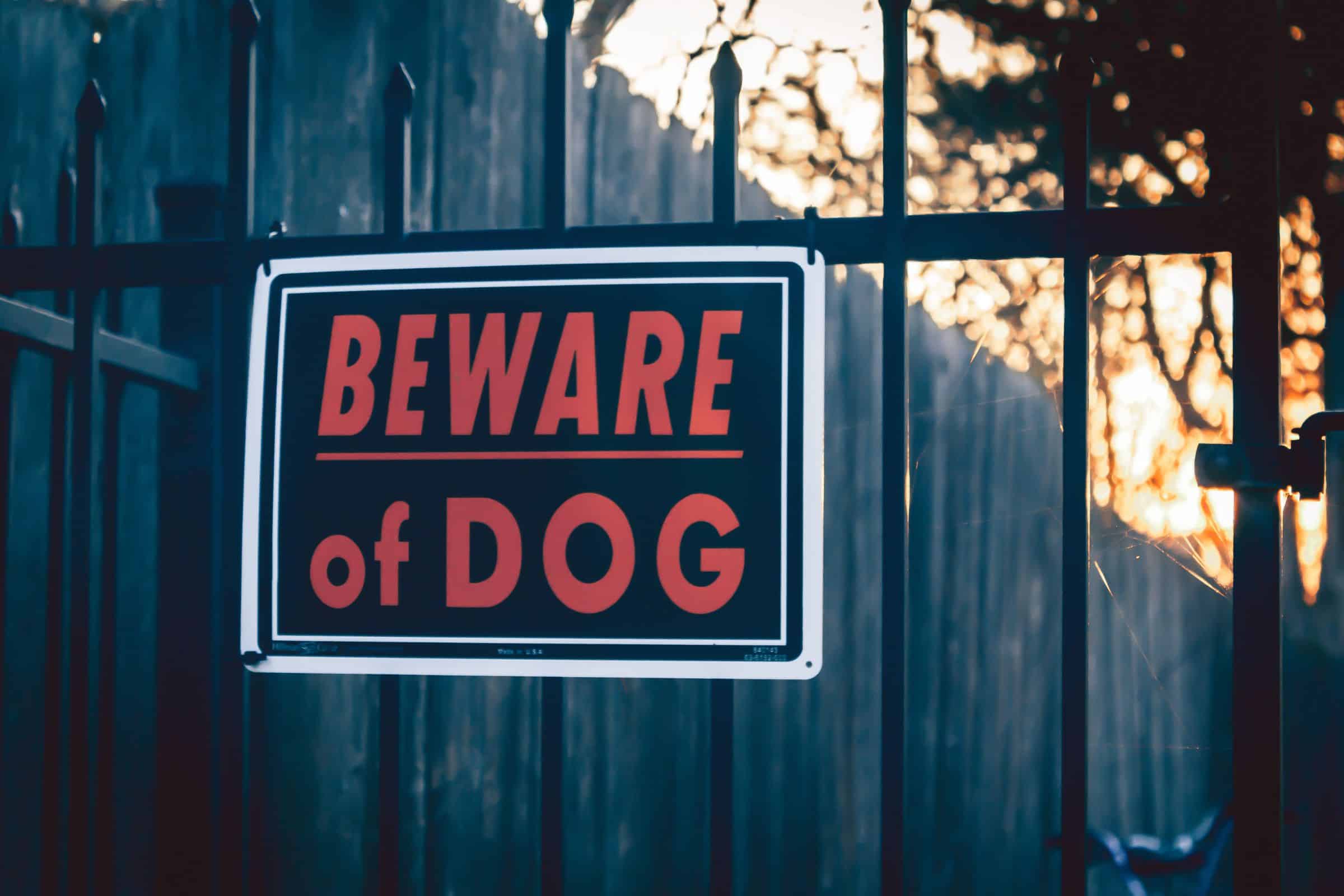
A barking dog is one of the oldest and most reliable burglar deterrents. While not everyone can care for a canine companion, even their “presence” alone can give burglars pause. Something like bowls or signs at your entrance that say, “Beware of Dog.” For those already owning one, a dog who barks regularly is like an alarm signal if an intruder approaches your home or premises.
Conclusion
Securing your home doesn’t need to involve expensive gadgets. With some planning and simple adjustments, you can create an inviting yet secure home without breaking the bank. When you strengthen the entry points, maintain the property and have a dog in the yard, burglars may think twice before targeting your well-protected house.
This article may contain affiliate links, which means we may earn a commission if you purchase through these links. This comes at no additional cost to you and helps support the operations of The We Spot—thank you for your support! The views and opinions expressed in this article are solely those of the author and do not necessarily reflect the views of The We Spot, its owners, employees, sponsors, or affiliates. This content is for informational purposes only and does not constitute legal, financial, medical, or therapeutic advice. Readers should consult a qualified professional before making any decisions based on the information provided.