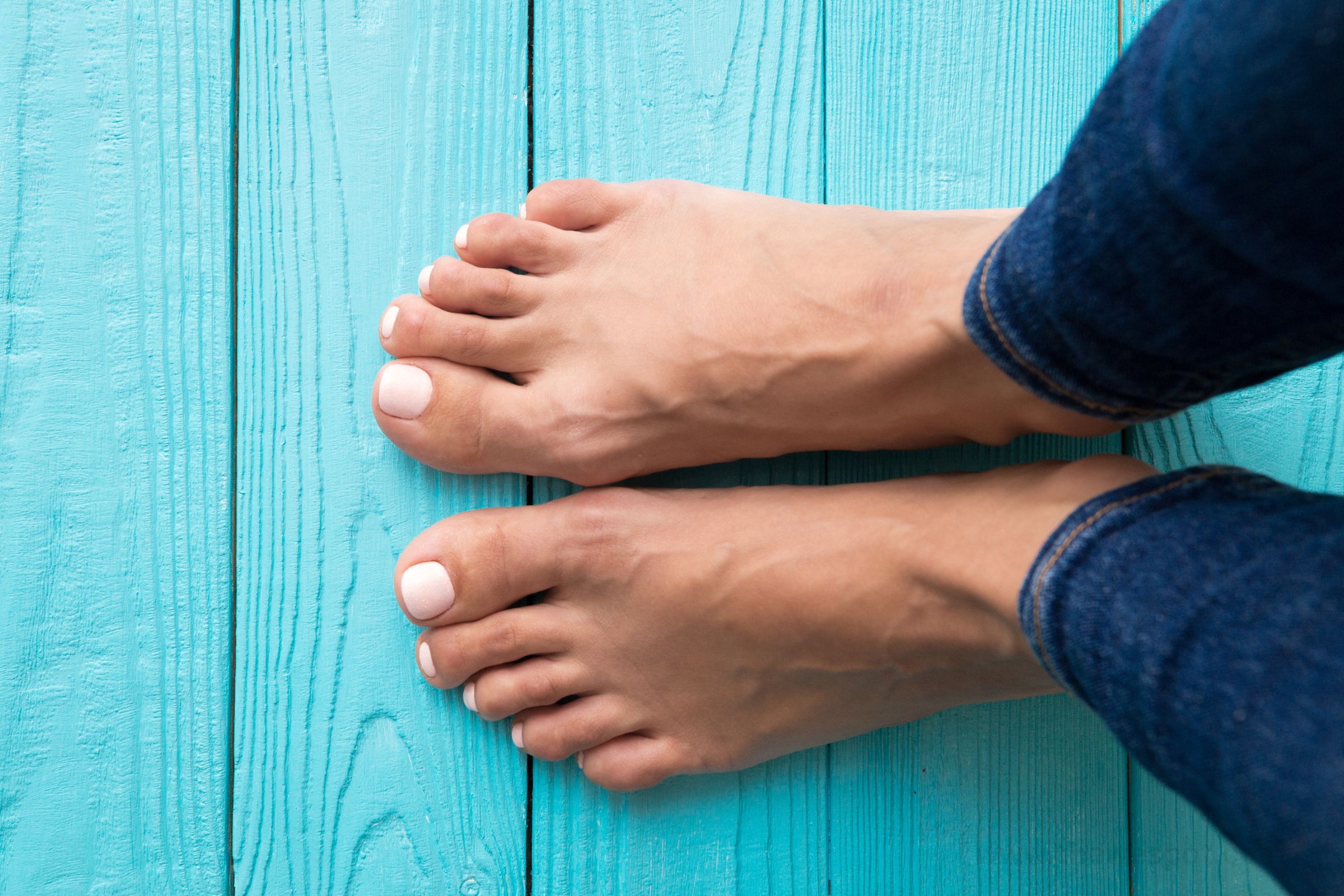
Foot inflammation can feel like an assault against one of your most important body parts, your feet. Our feet carry us throughout life, whether that means running marathons, jumping buses, or dancing the night away. Yet when they begin swelling due to inflammation it becomes almost unbearable to move them at times. In this blog, we will look at common causes, effective preventive measures, and some tips that might just soothe them so your soles can get back out there again soon enough.
What Is Foot Inflammation?
Inflammation, in general, is your body’s natural reaction to injury or irritation, such as overuse, an underlying medical condition, injury or overeating. When this response manifests in your feet due to overuse, an injury or overeating you may experience swelling, redness, heat and discomfort. Your body’s way of saying “Something’s wrong here.” Common sources include plantar fasciitis, gout arthritis or shoes designed by medieval torture artists.
Common Sources of Foot Inflammation
Overuse or Injury
Have you ever found yourself pushing too hard during a workout, or walking more steps than your fitness tracker estimated in one day just because it egged you on? Doing too much physical work on your feet can cause inflammation as small tears form in tissues like the plantar fascia and tendons. Additionally sprains, fractures or strain from repeated motion are common complications resulting in inflammation. Your feet want you to respect their limits.
Medical Conditions
Numerous health issues can cause inflammation to your feet. Gout, an arthritis condition triggered by high uric acid levels, can cause sudden and intense flare-ups of pain and swelling. Rheumatoid or osteoarthritis may further irritate joints while peripheral edema (fluid retention) causes feet to swell up like balloons. Not forgetting diabetes which presents its own unique complications to foot health.
Poor Footwear Choices
Stiletto heels may look beautiful, but your feet likely disagree. Shoes lacking proper support, cushion, or toe room can place stress on various parts of the foot and lead to inflammation. Flat shoes such as flip-flops provide little support, leaving your feet vulnerable for overuse-related injuries.
Lifestyle Factors
Spending too much time standing, walking or sitting without sufficient movement can contribute to inflammation in the feet. Poor circulation often results in swollen feet. This is nature’s way of telling us we need to move.
Prevention Tips to Keep Foot Inflammation at Bay
Invest in Quality Footwear
When it comes to shoes, functionality always trumps fashion. When shopping for new footwear, make sure it provides adequate arch support, cushioning and roomy fit. Rather than opt for pointy heels or paper-thin flats that may actually hurt you.
Stretch and Strengthen Your Feet
Show your feet some TLC by including simple foot exercises and stretches into your daily routine. Simple things such as rolling a tennis ball under your arch or performing toe stretches can strengthen muscles, improve flexibility and relieve tension.
Listen to Your Body
Are you feeling pain or feeling uncomfortable during physical activity? Stop, before it escalates into inflammation. Trust your body and your feet will thank you.
Keep Your Health in Check
Staying healthy is very important. Being proactive about diabetes, arthritis and gout treatment requires regular check-ups as well as adopting healthy practices in your lifestyle to help protect your feet long-term.
How to Relieve Foot Inflammation
Use the Best Neuropathy Cream
If you are suffering from foot inflammation, using an effective neuropathy cream can offer targeted relief and soothe discomfort. Many such products contain natural ingredients such as menthol, capsaicin or essential oils which promote circulation while decreasing swelling. Applying it directly on affected areas as directed will quickly alleviate symptoms while also aiding recovery. Be sure to select a reputable product and conduct thorough research to find the best neuropathy cream for your specific needs.
Ice Therapy for Foot Inflammation
One effective approach for managing foot inflammation is using ice therapy or cryotherapy on the affected area. Ice can reduce swelling, numb pain and decrease inflammation by constricting blood vessels. To use this method, wrap a cold pack or bag of ice in a thin towel and place it directly onto the inflamed area for 15-20 minutes at a time for maximum relief. Use caution to avoid frostbite when placing directly against skin. Repeat several times each day or combine other treatments such as neuropathy creams can significantly enhance the overall effectiveness of the treatment.
Elevating Your Feet
Elevating your feet is an easy and effective way to reduce swelling and discomfort in the lower extremities, especially if they have become stiff or sore. By raising them above heart level, gravity will assist with fluid drainage and circulation improvement. For this practice, lay on a comfortable surface with pillows or cushioned elevation devices propped under them. Then elevate them for 15-30 minutes several times daily. This technique may work particularly well when combined with other therapies to ease symptoms while encouraging healing.
Over-the-Counter Remedies
Nonsteroidal anti-inflammatory drugs (NSAIDs), like ibuprofen, may help to reduce inflammation and alleviate pain. However, prolonged use should only be undertaken after consulting with healthcare professionals if the symptoms persist.
Massage and Compression
Treating tightness in the feet with massages can work wonders to reduce tension and promote circulation, while compression socks help those who spend extended time standing reduce swelling by supporting their arches with compression sleeves.
Consider Getting Professional Help
When your inflammation persists, professional assistance may be required. Physical therapists, podiatrists or rheumatologists can identify the source of the discomfort and create tailored treatment plans to address it.
When to Worry
Although occasional foot inflammation can often be managed at home, certain symptoms require professional medical intervention. If you notice prolonged or extreme swelling, visible deformities, signs of infection (warmth, redness and fever), get medical advice immediately as it’s always better to be safe than sorry.
Conclusion
Our feet take us everywhere we need to go, yet too often we take them for granted until discomfort strikes. Foot inflammation should not be taken as an inconvenience but as an indicator that your body needs attention. By understanding its causes and taking preventative steps to stave off future problems with inflamed feet, as well as using relief strategies for those currently dealing with inflamed feet, you can stay ahead of issues in future. For today though, take care to treat those feet like the legends they truly are.
We sometimes use affiliate links in our content. This won’t cost you anything but it helps us to offset the costs of the blog. Thank you for your support! The opinions expressed in this article are solely those of the writer and do not necessarily represent those of The We Spot, its employees, sponsors, or affiliates.