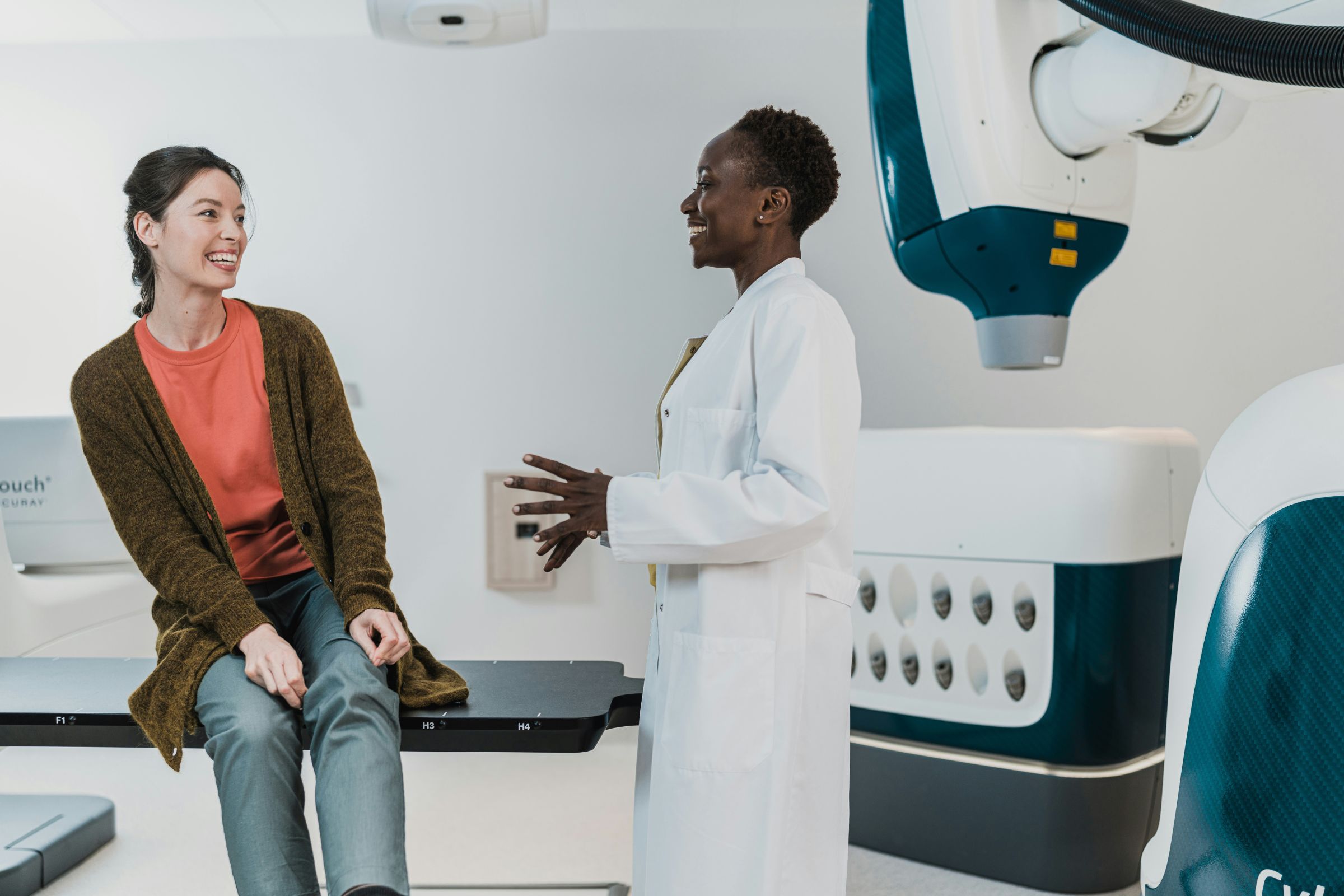
An important pillar of a successful healthcare system, providing high-quality patient care is at its core. Not only does it contribute to positive patient outcomes, but it also builds trust, satisfaction, and loyalty among patients. In this blog, we will look at various strategies healthcare providers can implement to elevate patient care quality. From adopting technology to increasing communication and patient engagement strategies, these solutions offer innovative yet cost-effective ways of elevating healthcare experiences.
Technology as a Path to Efficiency and Precision
Technology plays a big role in modern healthcare delivery. By using cutting-edge tools and systems, healthcare providers can streamline processes, increase accuracy, and boost patient care outcomes, just to name some key technological solutions available today. These could include:
Electronic Health Records (EHRs)
EHR systems allow healthcare providers to store and access patient information digitally, eliminating paper records entirely. EHRs improve communication among healthcare teams, reduce medical errors and provide a complete view of each patient’s history, diagnosis and treatment plans.
Telemedicine and Remote Patient Monitoring (RPM)
Telemedicine and RPM have revolutionized healthcare by providing remote consultations and continuous monitoring of vital signs and health parameters of people in remote areas, making healthcare easier, accessible, and providing timely interventions.
Digital Pathology Solutions
Digital pathology solutions have made a big mark on healthcare, revolutionizing traditional pathology workflows with their digital implementation and providing numerous advantages to both healthcare providers and patients. Pathologists can now access and analyze digital images of tissue samples remotely, providing quicker and more precise diagnoses. Not only can this increase efficiency, but also promote collaboration among pathologists. They can now share expertise and insights regardless of geography. Digital pathology solutions contribute to better patient outcomes by decreasing turnaround times for diagnoses and providing more precise treatment planning.
Effective Communication and Collaboration
Communicating effectively among healthcare providers and patients is important for seamless care delivery and patient satisfaction. Below are several strategies to enhance communication and collaboration:
Interdisciplinary Care Teams
Collaboration among healthcare professionals from multiple specializations ensures comprehensive and holistic patient care. Facilitating open lines of communication, regular team meetings, and shared decision-making processes helps coordinate care delivery efficiently while sharing vital information efficiently.
Patient-Centered Communication
Adopting a patient-centric approach involves listening actively, showing empathy, and communicating clearly in order to address patients’ preferences, needs, and goals. Healthcare providers should encourage patients to ask questions they understand in a language they comprehend as well as engaging them in shared decision making processes.
Prioritize Patient Engagement and Education
Informed and educated patients are more likely to actively engage with their care, adhere to treatment plans, and see positive health results. Here are some strategies for engaging and empowering patients:
Patient Education and Health Literacy
Delivering accurate information about diseases, treatment options, and self-care practices equips patients with the information they need to make educated decisions about their own health care.
Shared Decision-Making
Engaging patients in care decisions by providing all relevant information, discussing treatment options, and considering their preferences and values creates a collaborative, patient-centric approach. Participation empowers patients to actively take part in their care while increasing adherence.
Conclusion
Improving patient care quality requires a multifaceted approach that incorporates technology, effective communication and patient engagement. By adopting innovative solutions, healthcare providers can streamline processes, increase accuracy and deliver personalized care that meets each patient’s individual needs and expectations.
We sometimes use affiliate links in our content. This won’t cost you anything but it helps us to offset the costs of the blog. Thank you for your support! The opinions expressed in this article are solely those of the writer and do not necessarily represent those of The We Spot, its employees, sponsors, or affiliates.