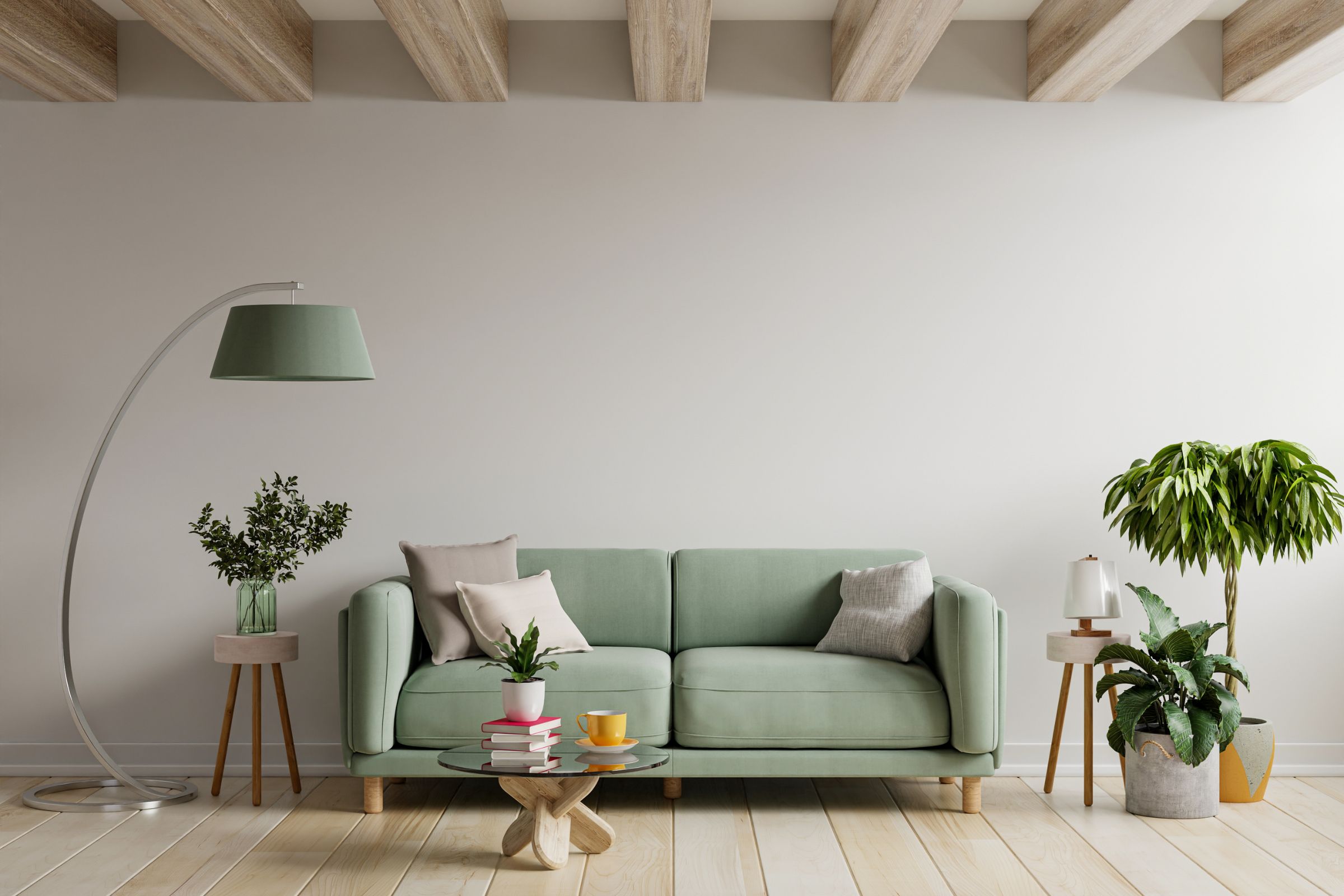
Many people look at investing in a home and buying as just finding a place to live right now, but it’s also about thinking through how that space will continue to support your life in the years to come. While it’s easy to fall for flashy finishes or trendy layouts, long-term value often comes from practicality, flexibility, and location.
For buyers who are thinking ahead, a smart investment means choosing a home that works not just for today, but for whatever life brings next. Whether it’s a growing family, a remote work setup, or simply changing personal needs, planning with growth in mind makes a big difference.
Think beyond the present moment
It’s tempting to look at homes based on what works right now, but the truth is, most people outgrow spaces faster than they expect. What feels spacious today might feel cramped after a few years, especially as families expand or lifestyle priorities shift.
For a first-time home buyer, it helps to think not just about getting into the market, but about what kind of home will continue to feel like the right fit five or ten years from now. That kind of thinking makes it easier to avoid feeling stuck or needing to move again too soon.
Plan for flexibility in layout
A flexible floor plan can be a game changer when life changes quickly. Homes with multipurpose rooms, finished basements, or loft spaces can adapt more easily to evolving needs like remote work, home fitness, or hosting guests.
When deciding what to think about when buying a home, consider whether the layout gives you room to adapt without needing a full renovation. Open concept may sound appealing, but homes that offer a mix of open and closed spaces tend to serve a wider variety of uses over time.
Prioritize location and community
The neighborhood you choose often matters just as much as the house itself. Proximity to good schools, parks, public transportation, and walkable amenities tends to stay valuable over time, even if your personal situation changes.
If you’re buying with long-term living in mind, consider how the area fits your lifestyle now and how it might continue to work if your needs shift. Feeling connected to your community can make staying in one place a lot more enjoyable and sustainable.
Storage and square footage matter
Sometimes, what seems like extra storage space at the start becomes an absolute necessity a few years in. Whether it’s for outdoor gear, seasonal decorations, or growing wardrobes, having enough storage can help a home stay functional longer.
Even if you don’t need a ton of space right away, it’s smart to consider homes that offer slightly more square footage than you currently need. Growth doesn’t always mean more people; it can also mean more stuff or more hobbies that take up space.
Look for energy efficiency and smart systems
Homes that are well-insulated, have updated windows, or use energy-efficient appliances often save money over time and appeal to future buyers. While these features might cost more upfront, they often reduce ongoing utility costs and make life more comfortable day-to-day.
These are some of the features that homeowners are willing to pay more for because they offer real, long-term value. It’s worth asking about the age of major systems like HVAC or water heaters before buying, too, since replacing them can be costly.
Outdoor space adds long-term value
Even a small backyard or balcony can become a major benefit when you’re living in a space long-term. Outdoor areas can be used for relaxing, entertaining, gardening, or even as an extra play space for kids or pets.
As time goes on, these areas often become just as important as the indoor ones. They can also be improved in stages, making it easier to invest in your home gradually without needing to take on a massive project all at once.
Think about resale appeal
Even if you plan to stay long term, it never hurts to think about how your home might perform on the market in the future. Neutral finishes, a practical layout, and a location with growing value can make it easier to sell later if you ever decide to move.
It’s hard to predict the market, but buying with an eye on both personal fit and broader appeal often results in a smart, low-regret purchase. This kind of approach keeps future doors open without taking away from your present enjoyment.
A home that grows with you brings peace of mind and long-term comfort. When buyers focus on flexibility, practicality, and location, they’re more likely to stay happy with their purchase through every stage of life.
This article may contain affiliate links, which means we may earn a commission if you purchase through these links. This comes at no additional cost to you and helps support the operations of The We Spot—thank you for your support! The views and opinions expressed in this article are solely those of the author and do not necessarily reflect the views of The We Spot, its owners, employees, sponsors, or affiliates. This content is for informational purposes only and does not constitute legal, financial, or therapeutic advice. Readers should consult a qualified professional before making any decisions based on the information provided.