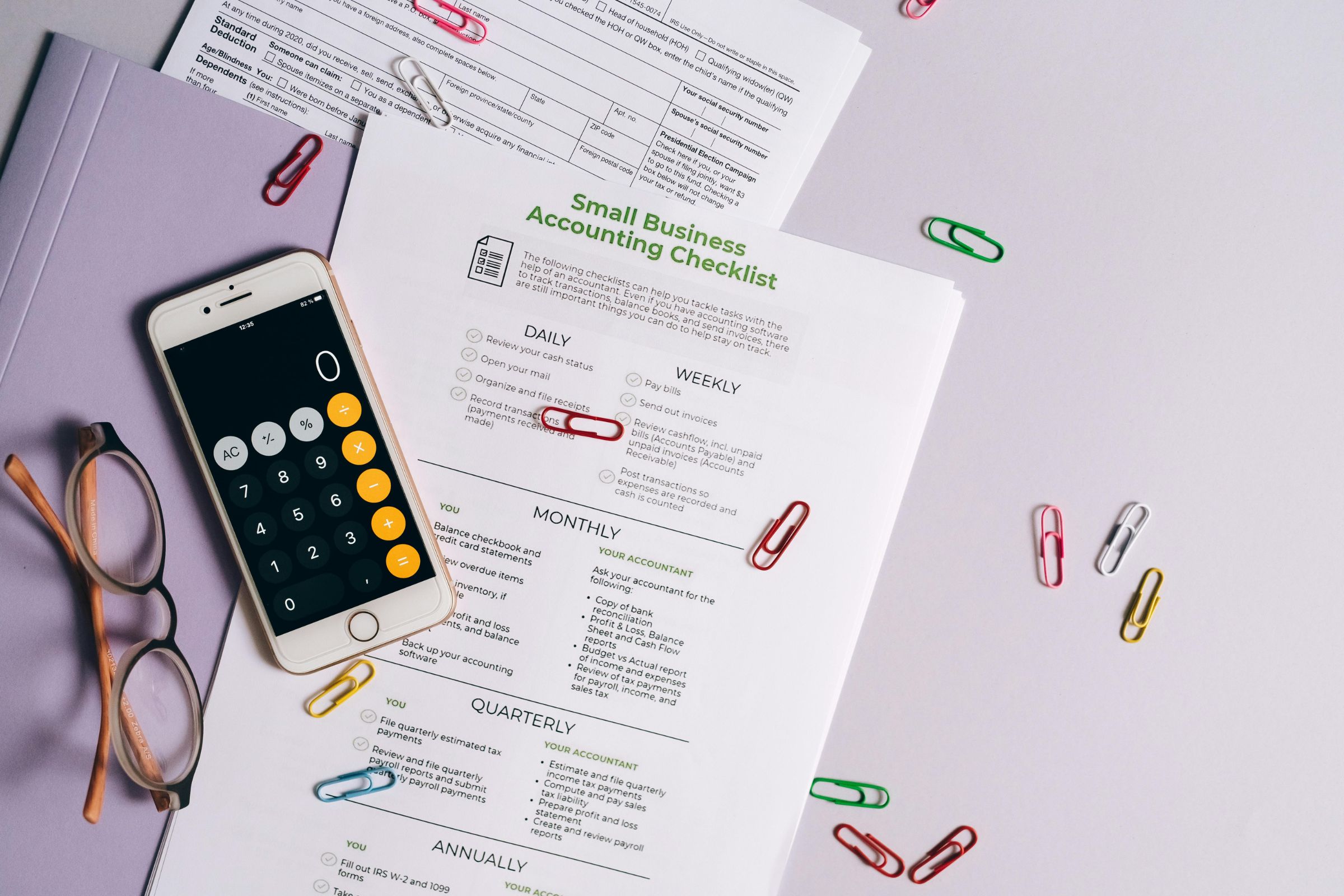
Staying on top of your business finances is an important part of running your business and achieving sustainable growth. Whether you are a startup growing a small business or you are a well-established company, having effective financial management keeps you on top of your operations and positions you to capitalize on new opportunities.
Let’s have a look at some of the ways you can maintain control over your finances, look after your cash flow, and set up a strong foundation for long-term financial success.
Establish a Reliable Accounting System
An accurate and up-to-date accounting system is one of the most important aspects when you are looking to secure your financial management, investing in reliable accounting software so that you can automate data entry, track your expenses, manage invoices, and provide a full picture of your cash flow. Platforms like Xero or QuickBooks are brilliant tools to use, where you can generate financial statements and make it easier to monitor your revenue, expenses, and profits in real time. If you are just starting, remember that an EIN (Employer Identification Number) is necessary when filing your taxes and setting up a business bank account, among other essentials. Learn more about applying for an EIN application to help streamline this process and make sure you are on the right track from the start.
Regularly Review Your Financial Statements
Financial statements are what give you a full view of your business’s financial health. Key documents that you need to review include balance sheets, income statements, and cash flow statements. Monthly or quarterly reviews can help to show you patterns and assist you in identifying trends early so that you can address any issues before they become major problems. These statements also help you to keep your financial projections accurate and provide you with the data that you need to set realistic budgets and allocate resources effectively.
Manage Cash Flow Efficiently
Cash flow is an important part of your business finances. Without proper cash flow, even profitable businesses can run into trouble, so you need to optimise your cash flow.
Rather than using long payment cycles like 60 days, request a shorter payment term from your clients, such as 30 days. You should also set up automated reminders so that your clients are informed of upcoming due dates.
Negotiate with your suppliers and arrange good payment terms that give you more flexibility to manage your expenses.
Build a reserve cash flow for any unforeseen expenses or slow months. By keeping good cash flow steady, you can avoid any unnecessary borrowing, minimise interest on expenses, and prepare for making future investments.
Set and Stick to a Realistic Budget
A realistic budget is important for controlling your expenses and reaching your financial goals as a business. A budget should include your fixed costs, like utilities, rental, and salaries, as well as variable costs, such as marketing, supplies, and travel. Avoid underestimating new expenses, and make sure you include a small buffer for unexpected costs. Review and adjust your budget as needed based on performance and projected needs. Budgeting can help you pinpoint the areas where you can make cost cuts, reallocate resources, and make investments in high-impact areas such as product development and marketing.
Monitor Accounts Receivable and Accounts Payable
You must have efficient management of accounts receivable and accounts payable, as these can significantly impact your cash flow. When you regularly track your invoices and follow up with your clients who are overdue in paying, you will be able to create a more fluent cash flow and rely on it a little more. Implement clear credit policies to reduce the risk of late payments, and consider offering discounts to clients who pay early. Similarly, you need to manage your accounts payable by closely monitoring any bills and payment due dates. Avoid late fees by setting reminders for due dates, and take advantage of any discounts that you may receive for paying early.
Keep Business and Personal Finances Separate
If you are running a small business, then you need to avoid mixing business and personal finances. Doing this can only lead to confusion, complicate your tax preparation, and make it harder to track your profitability. You should open a dedicated business bank account and make sure you use a separate card for any business expenses, as it will help simplify your accounting and mean that you are maintaining clear financial records. You will also benefit from protecting yourself legally by keeping personal assets separate from your business liabilities. When you do this, it not only makes financial management easier but also enhances your business’s credibility and professionalism.
Key Thoughts
Keeping business finances organised and under control is something that requires strategic attention and commitment. By establishing a solid financial practice early on, you will be ready to navigate any challenges, seize new opportunities, and see sustainable growth.
We sometimes use affiliate links in our content. This won’t cost you anything but it helps us to offset the costs of the blog. Thank you for your support! The opinions expressed in this article are solely those of the writer and do not necessarily represent those of The We Spot, its employees, sponsors, or affiliates.