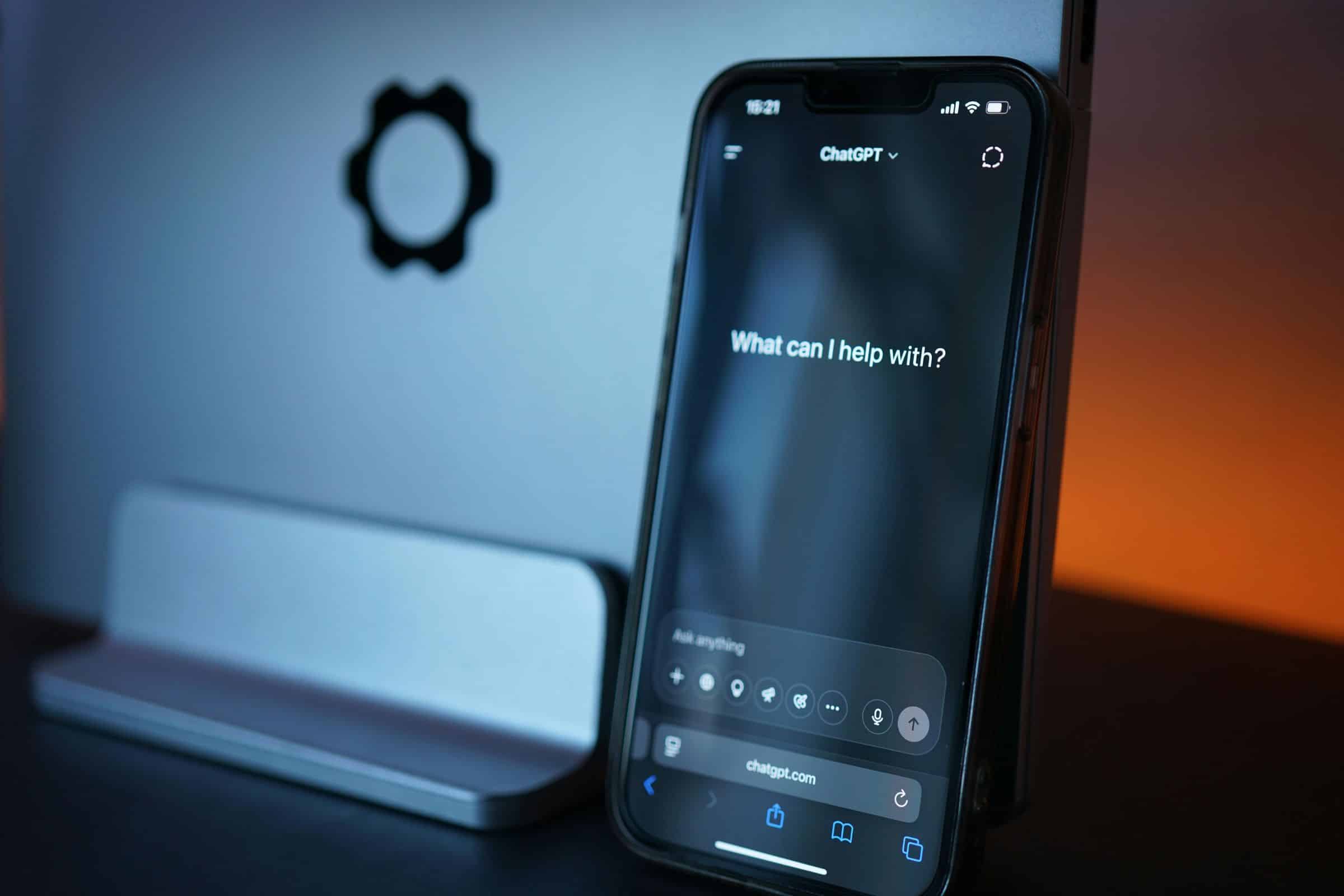
When customers need help, they expect it fast. They don’t want to wait for you to open at 9 am if they have an issue at midnight browsing online, and they don’t want a promise of an email reply within 48 hours. They want help immediately. For small businesses, this isn’t always possible or feasible, which is why many are turning to the use of AI-powered chatbots to be able to deliver support around the clock.
On paper, it sounds perfect. A programmable tool that takes over the customer enquiries and delivers answers when needed. But a chatbot doesn’t automatically make support easier or better. When it’s not implemented well, it creates new frustrations the business never intended to cause, and honestly, if a customer is already at a pain point, the last thing they want is an endless robotic loop that doesn’t deliver what they need.
If you want your chatbot to support growth and make life easier for everyone, here are some mistakes you need to avoid.
Automating the Wrong Moments
Automation can be a lifesaver. Chatbots are brilliant with quick questions like delivery timeframes, inventory checks, and how to step. They shine when people just want easy answers to straightforward questions.
The trouble starts when the bot tries to take on a situation loaded with stress. A declined payment, a missing order, or a charge the customer does not recognise. These moments make people anxious, and they want reassurance and a fix to the issue — not a canned response telling them to check FAQS, again.
And a customer won’t think “this chatbot has limitations” in these moments; they’ll think “this company doesn’t want to help”.
Your chatbot should be able to process a wide range of enquiries, even if the only resolution it can offer is to move the customer onto another pathway, i.e., sending an email to human customer support, connecting them to a live chat person, or providing phone numbers to call.
No Way to Reach A Human
Every person has experienced a support chatbot that doesn’t hand over control. A question is asked. It misunderstands. You try again. It repeats the same line back to you like it’s mocking you.
This is the fastest route to losing customers or increasing complaints.
A helpful chatbot always offers a clear and quick way to connect with a person when the situation calls for it. The bot should handle the simple stuff and then handle anything more sensitive or complicated. Better AI customer support tools are designed to recognize when a conversation needs a human before the customer reaches the point of giving up.
Using A “Perfect Scenario” Script
Some chatbots only recognize a narrow set of keywords or phrases. Real people, however, don’t talk like robots. They spell things wrong, they ramble, they ask three questions at once, and they show emotions when frustrated or confused.
If the bot doesn’t understand the intent, even when the language is slightly messy, the customer immediately feels talked over — not listened to. That’s when they abandon the chat entirely and take the issue public in a review or on social media.
Good chatbot design is grounded in how customers actually communicate. It learns, adapts, and recognizes patterns and doesn’t demand performance before it helps.
Treating Chatbots Like A Cost-Cutting Shortcut
There’s a big difference between using automation to help your team and using automation to replace your team. Customers can feel the difference immediately.
When a bot is positioned as the only doorway into a business, the message is clear: the company doesn’t want to talk to them. But when a bot quickly handles tasks so the human can focus on the important work, the entire experience improves. Wait times drop. People get answers faster. Your staff spends time where they actually make an impact — fixing the things that matter.
Launching Too Fast and Fixing Too Slowly
One of the most common issues with small business automation is pushing a chatbot into place because the inbox workload is exploding, and business owners see automation as a lifeline, so they flip the switch before the bot is ready.
That’s when mistakes start happening in full view of the customer. Wrong answers. Confusing responses. Links that go nowhere. A bot that apologises repeatedly without ever solving anything.
A chatbot should evolve. It should be trained regularly using real questions customers ask. It should be monitored, updated, and improved over time. Otherwise, it becomes another problem for humans to fix later.
If a customer corrects your bot more than once, you’re teaching them not to trust it or your company.
This article may contain affiliate links, which means we may earn a commission if you purchase through these links. This comes at no additional cost to you and helps support the operations of The We Spot—thank you for your support! The views and opinions expressed in this article are solely those of the author and do not necessarily reflect the views of The We Spot, its owners, employees, sponsors, or affiliates. This content is for informational purposes only and does not constitute legal, financial, medical, or therapeutic advice. Readers should consult a qualified professional before making any decisions based on the information provided.