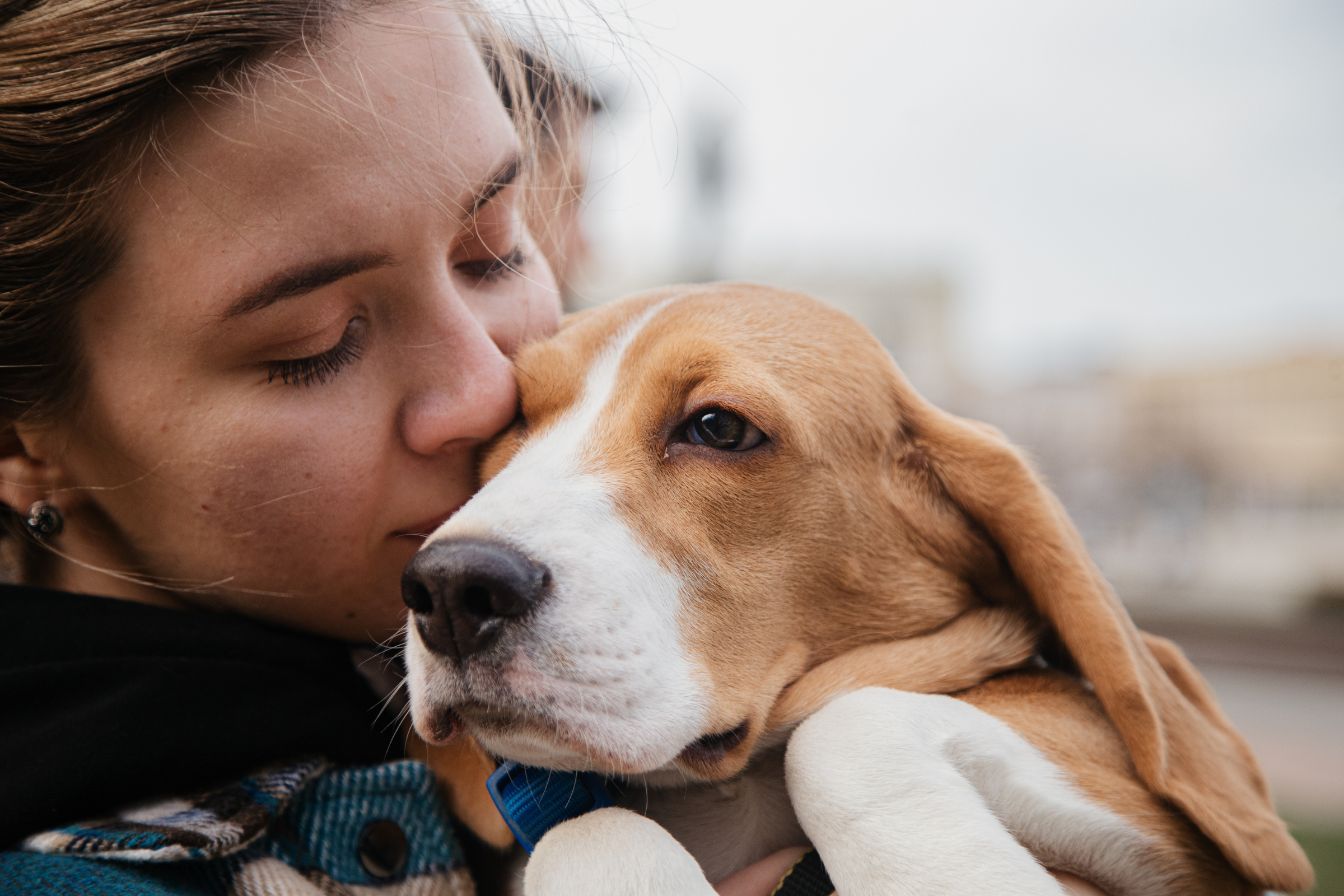
Your dog is more than just a pet; they’re a beloved member of the family. Just like you’d childproof a home, it’s important to dog-proof your space to protect your furry friend from injury or illness. From managing toxic foods to creating safe zones, pet safety is all about being proactive. This guide explores some of the most essential safety tips every dog owner should know to create a home environment where dogs can thrive safely and happily.
Secure Hazardous Items and Toxic Foods
One of the simplest yet most overlooked dangers in a home is exposure to harmful substances. Dogs are curious by nature, and they often explore their surroundings using their noses and mouths. Unfortunately, many everyday household items can pose serious risks.
Common dangers include chocolate, xylitol (found in sugar-free gum), grapes, onions, and household cleaners. Even certain plants, like lilies and sago palms, are toxic to dogs. Store all foods and chemicals in locked cabinets or on high shelves. Consider using childproof locks on low cabinets and keep your garbage securely covered to avoid any scavenging mishaps.
Create Safe Spaces for Rest and Recovery
Dogs, like people, need a quiet and secure space to retreat to, especially when they’re tired, sick, or overwhelmed. Creating a designated resting area is essential for both their emotional and physical well-being.
This can be a crate, a cozy dog bed in a quiet corner, or a blocked-off section of a room. Make it comfortable with blankets and familiar toys. This area also comes in handy when your dog needs to recover from an injury or surgery. Limiting movement during recovery helps prevent re-injury and creates a calming environment for healing.
Keep Your Dog Out of Certain Rooms for Safety and Cleanliness
There are times when keeping your dog out of certain rooms isn’t just about tidiness, it’s about safety. Kitchens, bathrooms, and workshops are full of potential hazards: hot stoves, sharp tools, chemicals, or dropped food items that could be toxic.
Learning how to keep your dog out of a room is a simple yet effective way to prevent accidents. You can use pet gates to block off access, close doors when rooms are unsupervised, or apply pet-safe deterrent sprays near thresholds. Training also plays a key role in teaching your dog to stay out of specific areas on command, reinforces boundaries, and gives you more control.
This strategy also helps protect furniture, carpets, and valuable or delicate items from potential damage. Whether you have guests over, are cooking, or want a clean baby nursery, room restrictions keep everyone safer and more comfortable.

Use the Right Leashes, Collars, and Harnesses
Proper equipment is another cornerstone of pet safety, especially when venturing outside. A poorly fitted collar or harness can lead to escapes or injury. Make sure your dog’s gear fits snugly but not too tightly and suits their breed and size.
For walks, choose a strong leash and consider using a harness to reduce strain on the neck, especially for smaller dogs or those that pull. If you walk your dog in the early morning or evening, reflective materials or LED accessories are a must for visibility and protection.
Regular Vet Visits and Preventive Care
Prevention is the best medicine, and regular veterinary care is a vital part of keeping your dog healthy and safe. Annual checkups ensure that vaccinations are up to date, and they allow your vet to catch potential health issues early.
In addition to general exams, make sure your dog is protected against fleas, ticks, and heartworm. Dental checkups are often overlooked, but are just as important. Poor dental hygiene can lead to painful infections or organ issues.
Routine care may seem like a small effort, but it builds a strong foundation for your dog’s long-term health and happiness.
A Safer, Happier Home for Your Dog
Keeping your dog safe at home is all about paying attention to the little things. From securely storing harmful substances to establishing off-limits areas, every detail matters. When you take the time to create boundaries, you’re doing more than preserving your space. You’re preventing accidents, reducing stress, and showing love through thoughtful care.
Being a responsible dog owner means creating an environment where your pet can thrive safely and feel secure. With these simple yet impactful safety tips, you’re well on your way to giving your dog the happy, healthy life they deserve.
This article may contain affiliate links, which means we may earn a commission if you purchase through these links. This comes at no additional cost to you and helps support the operations of The We Spot—thank you for your support! The views and opinions expressed in this article are solely those of the author and do not necessarily reflect the views of The We Spot, its owners, employees, sponsors, or affiliates. This content is for informational purposes only and does not constitute legal, financial, or therapeutic advice. Readers should consult a qualified professional before making any decisions based on the information provided.