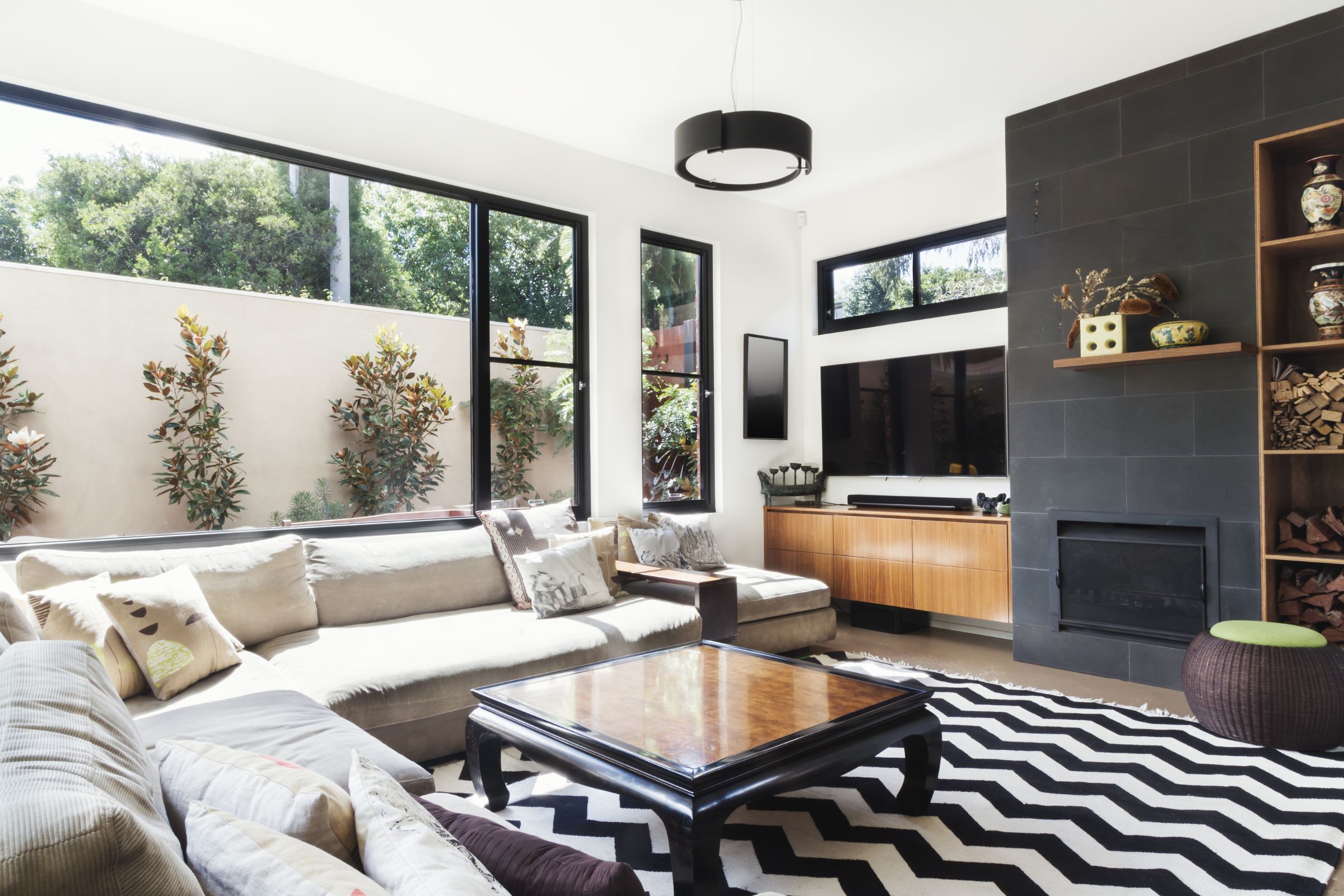
Monochrome home designs are incredibly popular right now and are a great way to both simplify your home style and create a cohesive decor scheme across your rooms.
However, monochrome styling can also feel like a daunting, and potentially limiting option for homeowners who haven’t tried it before. In truth, though, monochrome styling can be incredibly exciting if you simply consider the following crucial points.
# 1 – Choose Monochromes That Match Your Style
When we hear the word ‘monochrome’, many of us think about the black-and-white combinations that are most often used to depict this style. Yet, while black-and-white styling can be a lot of fun, this isn’t the only option in a monochrome home. Monochrome simply refers to blocks of a singular color. As such, you can choose any monochrome shade you like, and you should do so with your preferred styles in mind.
For instance, while minimalists may prefer simple cool tones like blacks and whites, maximalist homeowners may prefer warmer, bolder options like blues, reds, or pinks. Equally, you could use a singular monochrome across your home, or use different block colors in each room. There are no rules – the main thing is to simply choose a color that you love, and that compliments your rooms overall.

# 2 – Play With Textures
Texture is key to making monochromes work, and is an addition that can add interest even in a one-tone home. Soft furnishings are particularly effective for this, but there are a range of different ways to play with textures in any space, as long as those textures are in the same color family.
If you’ve opted for a monochrome pink bedroom, for example, a soft pink rug, quilted pink duvet, and fluffy lamp shade could all work wonderfully together. Equally, a black and white dining room could look fantastic with the addition of leather-studded black dining chairs, white sideboards, and a textured dark wood floor. However, remember that less can be more, especially with bold colors like blacks and whites. Try not to overwhelm the space, even as you’re adding texture.

# 3 – Incorporate the Right Undertones
While monochrome means block colors, you can add some great undertones and still get away with this style choice. Many experts recommend using the 60-30-10 rule in monochrome styling, which means 60% of your room should be in your primary color e.g. white, 30% should be in your secondary color e.g. black, and 10% should be in an accented undertone.
This is the contrast that’s most likely to draw the eye, so you need to be bold with your undertone choices. For instance, a gold-painted radiator or sideboard will always look iconic alongside a black primary color. Alternatively, warmer monochromes like brush pink will work well with bronze or other softer undertone features including taps, photo frames, and furniture details.
Monochrome might look daunting from the outside, but as you can see from this article, there are plenty of ways to make this style choice work for you.
We sometimes use affiliate links in our content. This won’t cost you anything but it helps us to offset the costs of the blog. Thank you for your support! The opinions expressed in this article are solely those of the writer and do not necessarily represent those of The We Spot, its employees, sponsors, or affiliates.