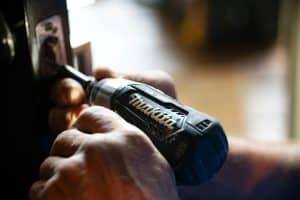
In the modern business age, where growth, efficiency and innovation are ever-more highly prized, one of the most overlooked strategies for ongoing success is preventative maintenance. All too often, companies wait until something breaks before considering maintenance, and this leads to unexpected downtime, expensive repairs, and operational delays. Instead of reacting to issues, it is beneficial for businesses to focus on a more proactive strategy of upkeep to extend the lifespan of essential tools and equipment.
Why do businesses undervalue preventative maintenance?
The idea of preventative maintenance often doesn’t occur to business decision-makers, primarily because the consequences of neglect aren’t necessarily visible. Equipment will run smoothly until it doesn’t, by which stage an opportunity has already been missed. Minor issues, that were happening under the surface, can easily snowball into more significant problems. At this stage, a business is forced into reactive spending, which most leaders can tell you tends to come at a much higher cost than proactive maintenance.
Another reason that companies skimp on ongoing maintenance is that it feels like an avoidable expense. While skipping maintenance can save money in the short term – an attractive prospect – it has a tendency to result in bigger costs down the line, resulting from reactive repairs, lost productivity, and reputational damage which may arise from critical services being delayed due to mechanical failure.
The overall cost of new equipment
New technology and equipment tend to be sold using the attractive concept of improved efficiency, but businesses need to be cautious of this theoretical benefit. The overall costs of adopting new machinery will include retraining employees to use it, integrating new systems into the workflow, and dealing with the teething troubles that can often result from adopting new equipment. All of this takes time and resources to resolve, which may completely offset any promised gains.
Additionally, a policy of chasing trends in hardware procurement can lead to a business becoming stuck in a costly cycle of upgrades, never fully optimizing the use of their existing tools. In industries that rely on machinery, like construction, logistics and warehousing this may mean investing in new forklifts or heavy machinery only to encounter compatibility issues or the need for more regular upgrades. Given that every new vehicle sold these days seems to come with software-dependent onboard computers, this can be a problem with a long tail.
Why tried and tested machinery is a smarter strategy
It’s not a Luddite approach to stick to well-maintained, reliable equipment over the latest model. If your forklift is regularly serviced and maintained according to a Clark forklift parts diagram, it’s entirely probable that it will outperform a new model you’ve never worked with. This is especially the case in more connection-dependent machinery, which may need regular software updates and can end up being bricked due to a simple bug. Businesses that stick to established machinery can see benefits from the following:
- Predictability: Older equipment with a history of reliability helps to avoid unexpected failures.
- Reduced training time: Employees already know the tools like the back of their hands, reducing the need for expensive retraining.
- Lower operating costs: Maintaining an existing machine is likely to be cheaper than purchasing a new one, especially when you consider depreciation and financing.
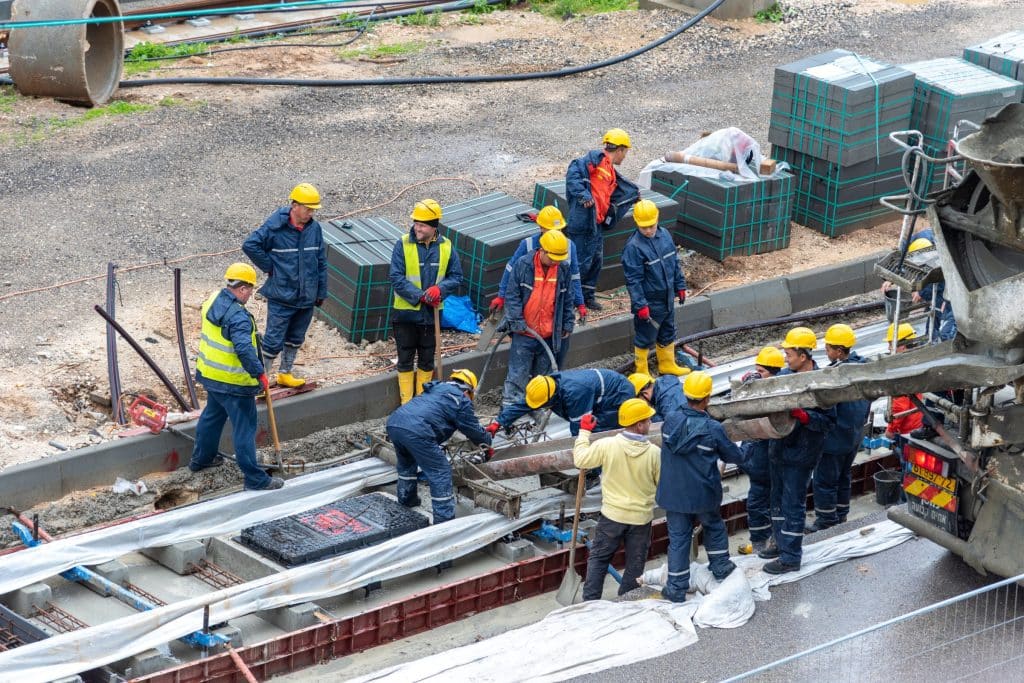
How smart businesses approach maintenance
A successful company will not view maintenance as an afterthought, but rather as a core strategy of its business. Some of the key aspects of this strategy include:
- Regular inspections: Regularly scheduled check-ups can identify small issues before they turn into big problems.
- Staff training: Employees need to be educated on the proper handling of equipment, and maintenance practices which avoid unnecessary damage.
- Data-driven decisions: More and more modern businesses are using predictive maintenance software that analyzes usage patterns and recommends preemptive services before failures occur.
- Strategic spare parts inventory: Keeping essential replacement parts on the premises ensures basic repairs can be carried out ad hoc, minimizing downtime.
Finding the balance
Of course, not every situation will be one where maintenance can be the answer; sometimes, an upgrade will be the best course of action. The key is to know where equipment should be replaced as opposed to when you should extend its life by repairing. Businesses need to assess:
- The cost of maintenance as compared to replacement
- How long repair downtime may be, and how much that may cost
- The availability of spare parts (is the machinery obsolete?)
Striking a balance between upgrades and reliability relies on a strategic attitude. Companies that embrace preventative maintenance can save money, avoid downtime and build institutional knowledge, while avoiding the pitfalls of unnecessary turnover. And as long as you know when to bow to the inevitable and replace equipment, this is the soundest strategy.
This article may contain affiliate links, which means we may earn a commission if you purchase through these links. This comes at no additional cost to you and helps support the operations of The We Spot—thank you for your support! The views and opinions expressed in this article are solely those of the author and do not necessarily reflect the views of The We Spot, its owners, employees, sponsors, or affiliates. This content is for informational purposes only and does not constitute legal, financial, or therapeutic advice. Readers should consult a qualified professional before making any decisions based on the information provided.