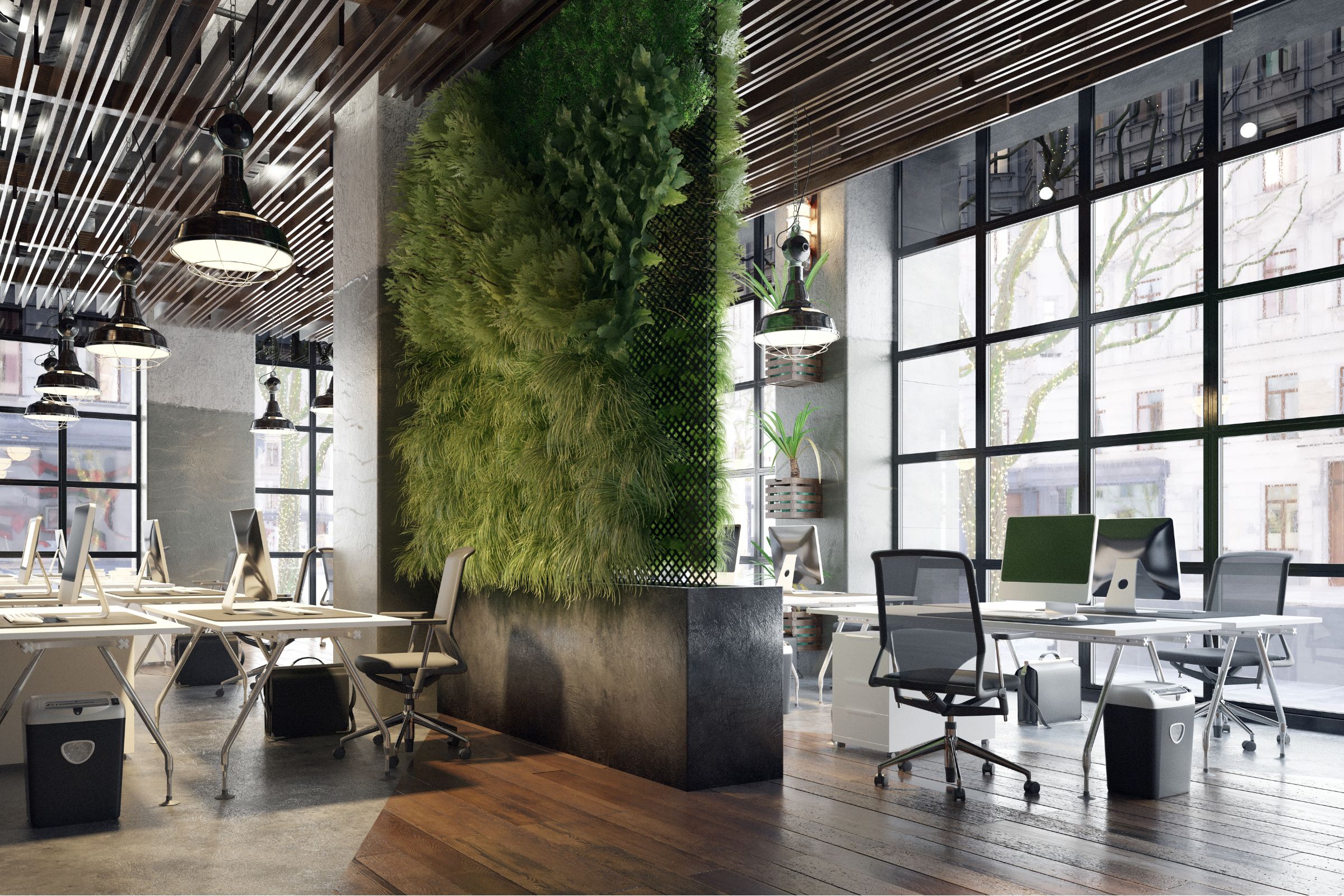
You walk into your office every day. Maybe it’s full of buzzing lights, whirring machines, coffee cups, piles of printouts, and the hum of air conditioners. That’s the modern workspace. But it’s also a major contributor to energy waste, pollution, and unnecessary resource consumption. The good news? Turning your office into a more sustainable space isn’t just doable—it’s surprisingly rewarding. Let’s get into how you can reduce your office’s environmental footprint without becoming that company that makes everyone work by candlelight.
Start With What You Already Have
Sustainability isn’t about replacing everything with eco-friendly alternatives. That’s a common mistake. It’s about using what you already have—more consciously.
Look around. Can you set your printers to double-sided by default? Unplug idle electronics overnight? Switch off lights in unused rooms? These micro-habits seem small, but when your entire team follows suit, they snowball into real impact. Noneed for big spending or office-wide overhauls. Just mindfulness.
The Digital Detox Your Desk Needs
Paper. Let’s talk about it. Offices still rely heavily on printing, filing, and copying, even though 90% of that paper is tossed within a week.
Ask yourself: Does this really need to be printed?
Embracing cloud storage, digital collaboration tools, and e-signatures doesn’t just save trees—it saves time, money, and the headache of tracking down a missing stapler.
Energy: The Invisible Footprint
Your office’s largest environmental footprint is likely invisible—energy consumption. Computers left running overnight, heating and cooling systems battling against the weather, and lights burning long after the last person has left.
Investing in smart thermostats, LED lighting, motion sensors, and energy-efficient appliances can drastically cut your footprint. It might sound techy and expensive, but the return on investment is real. Lower bills. Longer-lasting equipment. And yeah, a smaller carbon footprint.
Rethink Office Real Estate
This one’s a little outside the box. If your business is growing or changing locations, consider modular or temporary office spaces instead of traditional builds. Mobile Office Trailers for Rent offers a flexible, lower-impact solution that cuts down on construction waste and energy usage while still offering full functionality. They’re also surprisingly sleek these days—far from the clunky units of the past. Perfect for pop-up teams, project sites, or seasonal expansions without a permanent footprint.
Office Culture: The Real Engine of Change
Policies are great. But culture? That’s what drives real, lasting change.
Create a culture where sustainability is second nature. Set up a compost bin. Encourage meatless Mondays. Reward employees who bike to work or bring their lunch in reusable containers. The goal isn’t to force change but to normalize it. Invite your team to contribute ideas. You’ll be amazed at what people come up with when you give them space to care.
The Long View: Progress, Not Perfection
You’re not going to become a zero-waste, carbon-neutral, green utopia overnight. That’s not the point. Sustainability isn’t about guilt—it’s about progress. Take one step. Then another. Celebrate small wins. Share what you’re doing. Others will follow. Because when businesses shift their habits—even just a bit—the ripple effect can be massive.
This article may contain affiliate links, which means we may earn a commission if you purchase through these links. This comes at no additional cost to you and helps support the operations of The We Spot—thank you for your support! The views and opinions expressed in this article are solely those of the author and do not necessarily reflect the views of The We Spot, its owners, employees, sponsors, or affiliates. This content is for informational purposes only and does not constitute legal, financial, or therapeutic advice. Readers should consult a qualified professional before making any decisions based on the information provided.