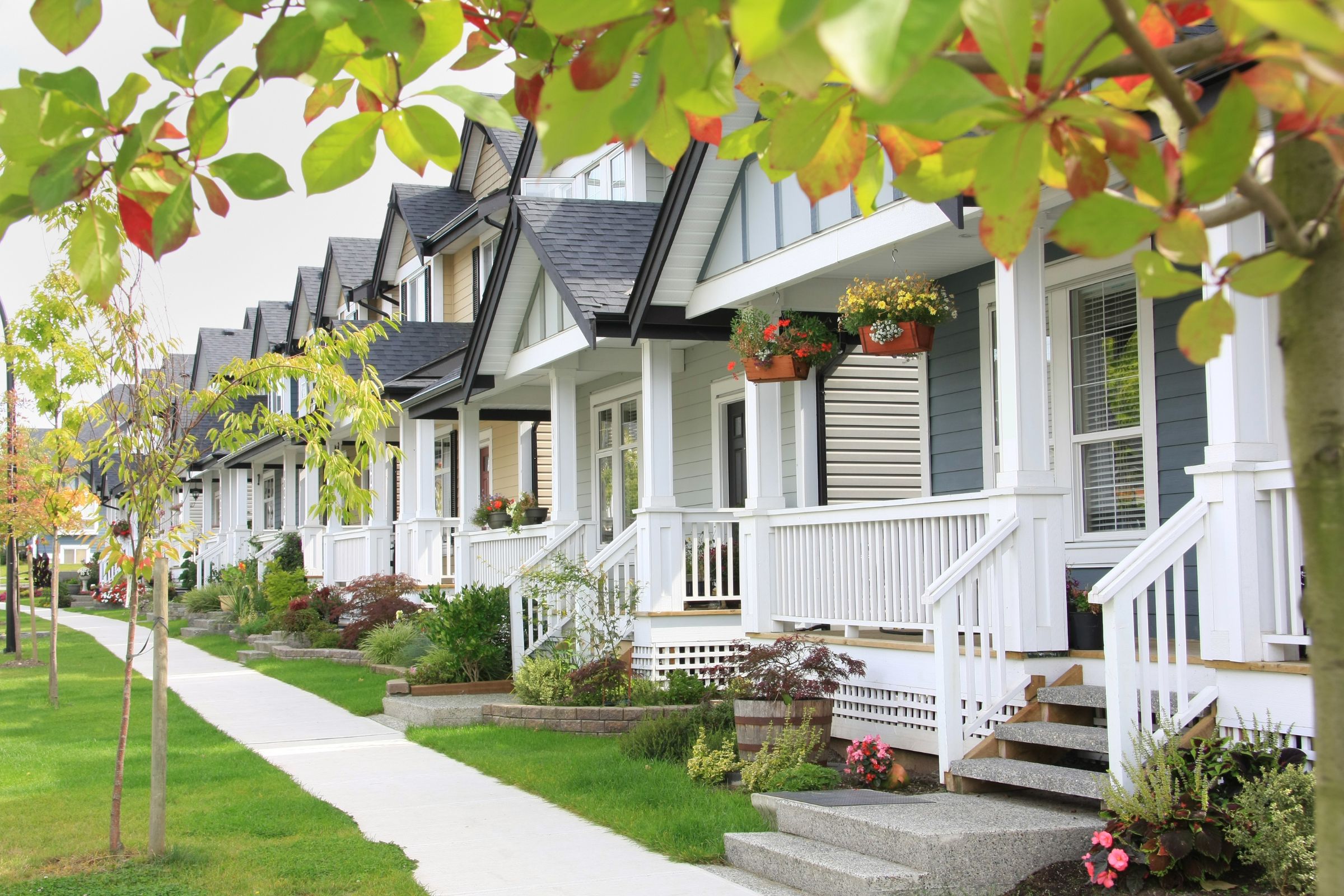
We tend to think that living in a house is living in a house, but pause some of the weather impacts and local cultures that can differ. But the truth is that depending on where you go, even in the same country, your experience can be vastly different. Living on the coast can subject you to benefits and pressures you can’t think of, for example, the salt water in the air, which is more prominent.
Or, the wildlife can change. In Florida, it’s not uncommon to see an alligator in your backyard, while in Washington, a black bear might greet you. You have to be vigilant and keep your eyes open, depending on where your house is situated.
For that reason, if you’re planning on becoming a fresh homeowner in a new state, it’s healthy to understand what maintenance or lifestyle changes you may need to make. We’ve discussed a few of the most common below:
Storm Preparations
Different regions throw different types of weather disasters at you, and what works in one place might leave you completely unprepared somewhere else. If you’re moving to tornado country in the midwest, you’ll need to think about having a basement or storm shelter, maybe keep a weather radio handy, and know which room in your house offers the best protection if things get too intense.
Hurricane areas along the coast require a totally different approach where you’re thinking about boarding up windows, having enough supplies to last several days without power, and maybe even evacuation plans if you’re in a flood zone. Services such as E.W. MacDowell Roofing can help you fortify areas of your home for the best success, also.
Soil Type & Quality
The ground under your house behaves differently depending on where you are. That sounds a little silly, because land is land, right? But believe it or not, the soil quality and type can affect a great deal, from your foundation to your garden.
It’s also important to remembe that clay soil expands and contracts with moisture changes, which can cause foundation problems if you’re not careful about drainage around your house. Furthermore, sandy soil drains really well but doesn’t hold nutrients, so your landscaping needs will be completely different than if you had rich, loamy soil.
Weather Degradation
We mentioned coastal salt water. That’s because coastal areas have salt air that corrodes metal faster, so your outdoor fixtures, cars, and anything with metal components might need more continual replacement or maintenance. Moreover, UV exposure in sunny climates can fade paint, crack plastics, and break down roofing materials much faster than in cloudier areas.
Cold areas aren’t always good for preservation either, as freeze-thaw cycles in colder climates can sometimes cause concrete to crack and can burst pipes if you’re not careful about winterizing. High-humidity areas (like in the UK) might deal with mold and mildew issues that need thorough ventilation, too.
If you’re willing to focus on good maintenance and perhaps new challenges based on where you’ve moved from and to, you’ll no doubt make use of this advice.
The views and opinions expressed in this article are solely those of the author and do not necessarily reflect the views of The We Spot, its owners, employees, sponsors, or affiliates. This content is for informational purposes only and does not constitute legal, financial, medical, or therapeutic advice. Readers should consult a qualified professional before making any decisions based on the information provided.