We all have that one outfit we wear when we need to pretend we have our life together. You know the one. The jeans that fit just right, the shirt that somehow makes you look taller, cooler, and slightly wealthier. And then there’s the “I give up” look, which involves suspiciously soft pants, a stretched-out hoodie, and the vague scent of microwave popcorn.
But here’s the thing: what we wear doesn’t just affect how we look. It affects how we feel, how we act, and even how we interact with the world. Sounds dramatic? Maybe. True? Absolutely.
Whether you’re dressing to impress, to express, or just to not get kicked out of the grocery store, your clothes are doing more than covering your body. Let’s dig into how your outfit might be messing with your brain, or making you feel like a boss.
The Science Behind It (Yes, There’s Actual Science)
You don’t need a psychology degree to know that certain clothes just make you feel better. But, fun fact, people with psychology degrees have studied this. It’s called enclothed cognition—a fancy term for the idea that what you wear affects your mindset and performance.
In one study, people who wore white coats they believed were doctor’s coats performed better on attention tasks. When they were told it was just a painter’s smock? Their performance tanked. Turns out, the story you tell yourself about your outfit matters.
Translation: If you think you’re dressed for success, your brain might just believe you.
Morning Mood Booster or Vibe Killer?
Ever put on a stiff pair of pants and immediately felt like you made a mistake? Or thrown on a favorite dress and suddenly walked a little taller, smiled a little more, maybe even flirted with a barista?
That’s not magic. That’s psychology and a little bit of comfort-meets-confidence.
When you wear something you love, it gives you energy. You feel seen. You feel sharp. And most importantly, you’re less likely to spend the day adjusting your waistband or hiding behind your coat in existential despair.
The Lazy Day Spiral
Wearing pajamas all day is a slippery slope. One minute you’re enjoying the cozy vibes. The next, it’s 3 p.m., you haven’t brushed your teeth, and you’ve watched six episodes of a show you can’t even remember the name of.
No judgment. We’ve all been there. But your outfit can either help you get into the zone or keep you in a productivity-free fog.
Want to feel like a functioning adult? Try putting on real pants. Not even fancy ones. Just the kind with zippers. Watch how your brain starts to believe you might actually answer that email.
Confidence Dressing: Not Just for Interviews
We often think about “dressing up” as something we do for other people. A first date. A job interview. A family reunion where Aunt Carol will absolutely comment on your appearance.
But what if you dressed up for you?
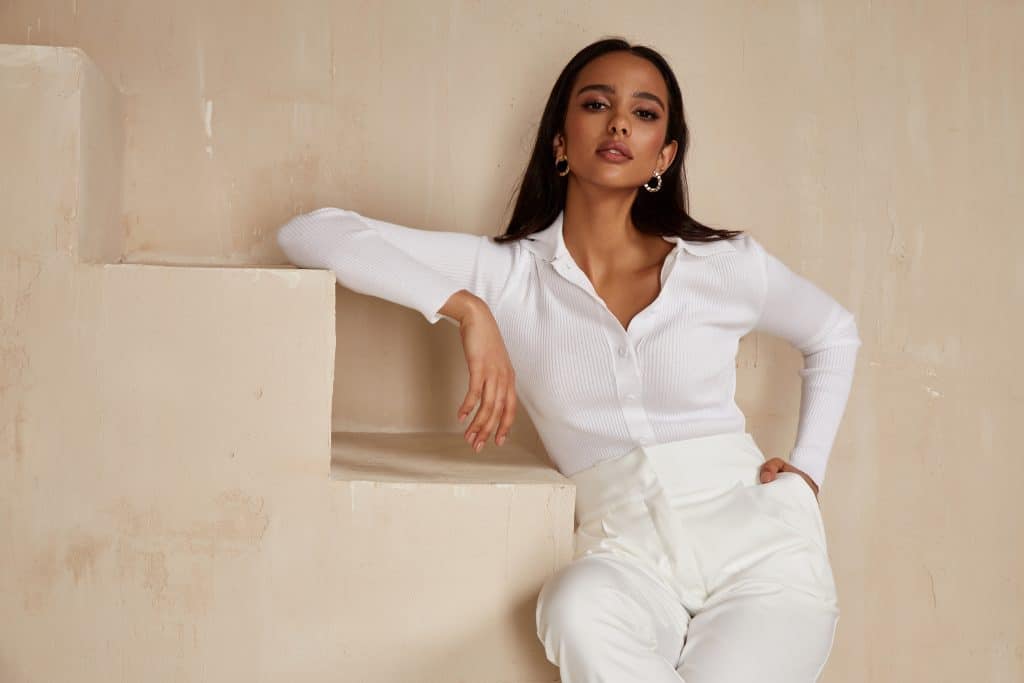
Putting effort into your outfit, even if you’re just working from home or running errands, can shift your mindset. It signals to your brain that you’re worth showing up for. That you’re not phoning it in. That you might actually make it to that 4 p.m. workout class instead of ghosting your own good intentions.
Even slipping into something bold, like one of those stylish corset tops you keep scrolling past but never buy, can flip the switch from “meh” to “main character energy.” It’s not about impressing anyone. It’s about showing up like you mean it.
Clothes That Make You Move
Athleisure is a multi-billion dollar industry for a reason. When you wear clothes designed for movement, you’re more likely to, well, move.
Put on sneakers instead of slippers, and suddenly walking the dog doesn’t feel like such a chore. Wear leggings instead of pajama pants, and you might actually do that 10-minute stretch video you saved three weeks ago.
Our bodies respond to cues. If you’re dressed like you’re headed to a yoga retreat, your brain might just buy into the fantasy. And hey, even if you never break a sweat, at least you looked sporty doing it.
Dressing for Creativity
Artists wear paint-splattered clothes for a reason. Not just because they’re messy, but because those clothes tell their brain it’s time to create. Same with writers, designers, or anyone whose work relies on inspiration showing up on time.
If you’re trying to do something creative but feel stuck, try changing your outfit. Literally. It signals a shift. A new beginning. Put on something weird. Something bold. Something that screams, “I have ideas and I’m not afraid to express them.”
The change doesn’t have to be dramatic. Even swapping a plain shirt for one with an obnoxious pattern can loosen your brain up enough to start working again.
Your Closet, Your Mood Board
Look at your closet. Is it full of the same five colors? Does everything have a vaguely “don’t look at me” vibe? That might be part of the problem.
Your wardrobe should reflect your energy, your interests, your identity, even when your energy is low and your interests include snacks and naps.
Try adding a few pieces that feel like the you you want to be. Not the aspirational Instagram version. The real one. The slightly more confident, slightly less stressed, slightly more willing to leave the house version of you.
Think of it as costume design for the story you want to live.
Clothing and Social Energy
You know those days when you hope no one talks to you in public? So you throw on sunglasses, a hoodie, and disappear into your oversized coat like a celebrity avoiding paparazzi?
That’s a real strategy. Your clothes can either open you up or shield you from the world. And that’s okay. Sometimes you need armor. Other times, you want to connect.
Knowing how your outfit affects your interactions is powerful. Want to feel more approachable? Wear color, soft fabrics, and open necklines. Want to feel protected? Go monochrome, high collars, big jackets.
Dress for the social energy you want, not just the one you’re in.
Dressing Isn’t Shallow. It’s Strategy.
Some people will tell you caring about clothes is frivolous. That you should be above such things. These people are either lying or wildly underdressed.
The truth is, your outfit is a tool. Not just for self-expression, but for self-regulation. It can calm you, energize you, motivate you, or comfort you.
It’s not about chasing trends or impressing strangers. It’s about feeling more like yourself, even on the days when that self is slightly chaotic and very much fueled by caffeine.
Wear the mood you want!
This article may contain affiliate links, which means we may earn a commission if you purchase through these links. This comes at no additional cost to you and helps support the operations of The We Spot—thank you for your support! The views and opinions expressed in this article are solely those of the author and do not necessarily reflect the views of The We Spot, its owners, employees, sponsors, or affiliates. This content is for informational purposes only and does not constitute legal, financial, medical, or therapeutic advice. Readers should consult a qualified professional before making any decisions based on the information provided.