
A personal GPS tracker increases safety for elderly individuals by enabling real-time location tracking and immediate emergency alerts. It reduces wandering risks and strengthens caregiver response during disorientation or health incidents.
Effective usage of a GPS tracker depends on correct setup and consistent monitoring. Each function operates with precision only when properly configured and clearly understood by both users and caregivers.
What Is a Personal GPS Tracker?
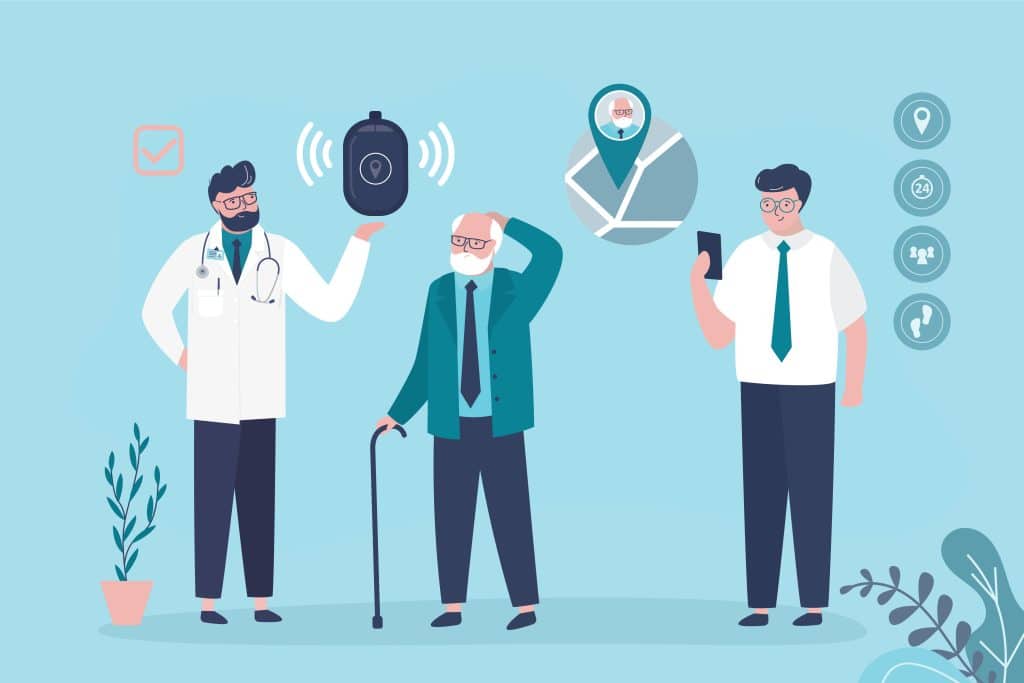
A personal GPS tracker is a compact electronic device that transmits real-time location data using Global Positioning System technology. It allows continuous tracking of an individual’s movements through satellite signals and cellular networks.
This device includes features like SOS alerts, geofencing, and motion detection to enhance personal safety. Caregivers use it to monitor elderly individuals and respond immediately in case of emergencies or abnormal behavior.
Why Are Personal GPS Trackers Important?
Personal GPS trackers are important because they help protect elderly individuals from the dangers that come with memory loss and confusion. As people age, the risk of getting lost or wandering into unsafe areas increases, and having a way to track their location brings crucial peace of mind.
It’s not just about tracking. It’s about giving older adults the freedom to move around on their own while letting family members or caregivers stay connected and ready to step in if something goes wrong.
When something unexpected happens, like a fall or sudden disorientation, knowing exactly where your loved one is can make all the difference. That quick response can be the reason they stay safe and get help right when they need it.
How to Use a Personal GPS Tracker Effectively for Elderly?
Set It Up the Right Way
Start by turning on the device and installing the app that comes with it. Once you link the tracker to your phone, make sure the emergency contacts are saved and alerts are turned on.
Create Clear Safe Zones
Use the app to mark places your loved one visits often, like their home, a neighbor’s house, or a nearby shop. If they step outside those areas, you’ll get a notification right away.
Adjust the Alerts
You can set the tracker to send updates about location, battery level, or sudden movement. If the person tends to stay indoors, less frequent updates work fine, but more active routines need closer tracking.
Keep It in the Right Spot
Make sure the tracker stays in a place where it gets a clear signal, like a pocket, belt clip, or around the neck. Avoid putting it deep in a bag or under heavy clothes because that weakens the GPS signal.
Walk Them Through It
Sit down and show your loved one how the tracker works. Teach them what the SOS button does and when to use it, so they feel confident about it.
Check It Every Day
Look at the app daily to confirm the device is charged and working. The GPS tracker for elderly care only works well if someone is paying attention to it regularly.
Using it this way keeps your loved one safe without making them feel restricted. It’s not just about technology, it’s about peace of mind.
What are the Benefits and Challenges of Personal GPS Trackers?
| Benefits | Challenges |
| Real-time location tracking | Requires daily charging |
| Prevents wandering and getting lost | Signal issues in remote or enclosed areas |
| Supports independent living | Some users may find it hard to operate |
| Reduces caregiver anxiety | May raise privacy concerns |
| Enables quick emergency response | Misuse or neglect can limit effectiveness |
Things to Consider Before Choosing Personal GPS Tracker
Battery Life
Look for a tracker that can last at least one to three days on a single charge. This reduces the chance of it dying when it’s needed most and keeps daily charging from becoming a hassle.
Signal Strength
Make sure the device works well in the areas your loved one visits. A tracker with support for GPS, mobile networks, and Wi-Fi will give more accurate and consistent results.
Simplicity
The easier the tracker is to use, the more likely your loved one will wear it. Choose something with clear buttons and a simple setup that doesn’t need constant attention.
Emergency Alerts
Pick a tracker that sends instant alerts when something unusual happens. Features like an SOS button, fall detection, and geofence notifications are key to quick responses.
Comfort
If the device isn’t comfortable, it won’t be worn. Find something light and easy to clip on a belt, wear around the neck, or strap to a wrist.
App and Phone Compatibility
Check that the companion app works with your phone. It should be easy to use and give clear access to location updates, alerts, and device settings.
Privacy and Security
Choose a tracker that keeps location data secure and only shares it with trusted contacts. Privacy matters, especially when someone’s movements are being monitored.
Cost and Subscription
Many trackers come with a monthly fee for data or app use. Make sure the cost fits your budget and that the terms are clearly explained.
Conclusion
Using a personal GPS tracker for elderly care adds a reliable layer of safety while respecting their independence. When the device is set up properly and monitored consistently, it becomes a practical tool that supports daily routines and prevents emergencies from escalating.
Choosing the right tracker involves more than picking a device with features. It requires understanding the person’s needs, the caregiver’s responsibilities, and how both can stay connected without added stress.
This article may contain affiliate links, which means we may earn a commission if you purchase through these links. This comes at no additional cost to you and helps support the operations of The We Spot—thank you for your support! The views and opinions expressed in this article are solely those of the author and do not necessarily reflect the views of The We Spot, its owners, employees, sponsors, or affiliates. This content is for informational purposes only and does not constitute legal, financial, medical, or therapeutic advice. Readers should consult a qualified professional before making any decisions based on the information provided.