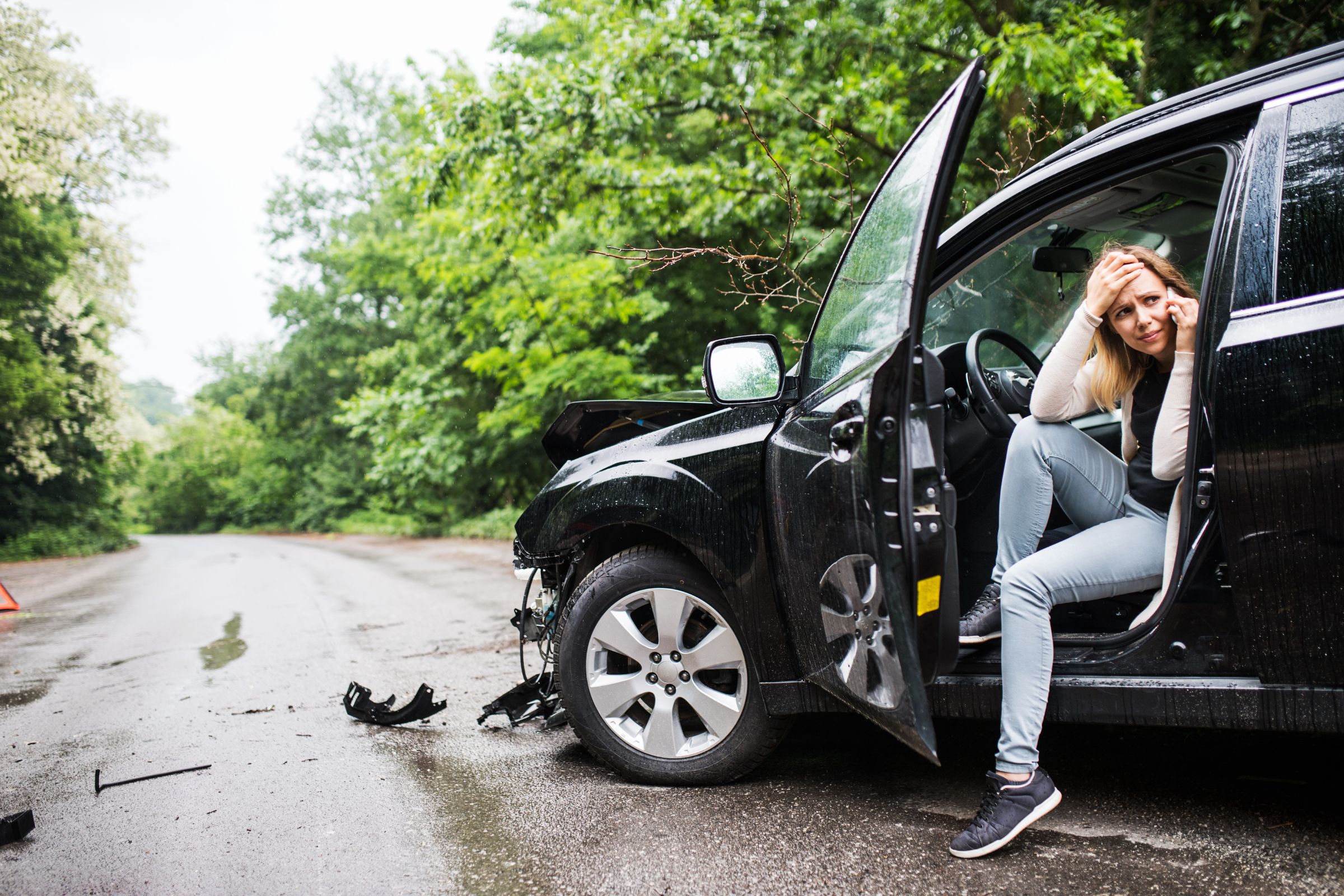
It’s normal for adrenaline to take over following a roadside car accident. For the most part, this means that your body goes into “autopilot,” performing tasks that have been drilled into your mind time and time again without really thinking about it. For example, this could include calling for medical help.
However, once your nerves have settled and you’ve received medical attention, figuring out your next steps can be difficult. After all, it is not really the kind of situation that you imagine yourself getting into it.
With that in mind, here are a few steps that you should take in the aftermath of a car accident in order to protect your best interests.
Follow doctors’ orders.
Whether you were injured during the crash or walked away mostly unscathed, following your doctor’s or healthcare practitioner’s orders is non-negotiable. For example, if they told you to spend some time resting and recuperating, make sure that you do so as opposed to trying to get back on your feet right away. Otherwise, you may find that it takes far longer than necessary to recover.
Contact your insurance.
Contacting your insurance provider in the wake of an accident is also crucial. This is because they can discuss your options with you moving forward, ensuring that you do not have to pay the entirety out of pocket for vehicle repairs and maintenance.
Reach out to a lawyer.
Don’t spend time questioning whether or not you need a personal injury attorney in the event of an accident, especially if you are not at fault. You absolutely do! Your attorney will be able to protect your best interests moving forward, ensuring that you receive the compensation that you deserve. For example, this money can help you to cover the costs of everything from medical treatment to vehicle repairs.
Gather evidence.
If you are going to be pressing charges or suing for damages, then you need to gather as much evidence as possible. This could include photographs of the damage to your vehicle, medical reports detailing the severity of your injuries, and eye-witness accounts of the accident itself. Generally speaking, the more evidence you can gather, the better. This can also come in handy when making a claim on your insurance.
Take your time getting back behind the wheel.
While you may be keen to pull off the band-aid and get back behind the wheel as soon as possible, this is not always the best idea. Instead, give yourself a break from driving until you feel 100% ready. You may also find it useful to take shorter journeys during this time while you build up your roadside confidence once again.
Final thoughts.
The days and weeks following a roadside accident can be overwhelming, especially as it’s something we’re used to hearing about on the news as opposed to experiencing firsthand. However, following the advice outlined above will ensure that you remain in a good position as you navigate through this difficult time in your life.
This article may contain affiliate links, which means we may earn a commission if you purchase through these links. This comes at no additional cost to you and helps support the operations of The We Spot—thank you for your support! The views and opinions expressed in this article are solely those of the author and do not necessarily reflect the views of The We Spot, its owners, employees, sponsors, or affiliates. This content is for informational purposes only and does not constitute legal, financial, medical, or therapeutic advice. Readers should consult a qualified professional before making any decisions based on the information provided.