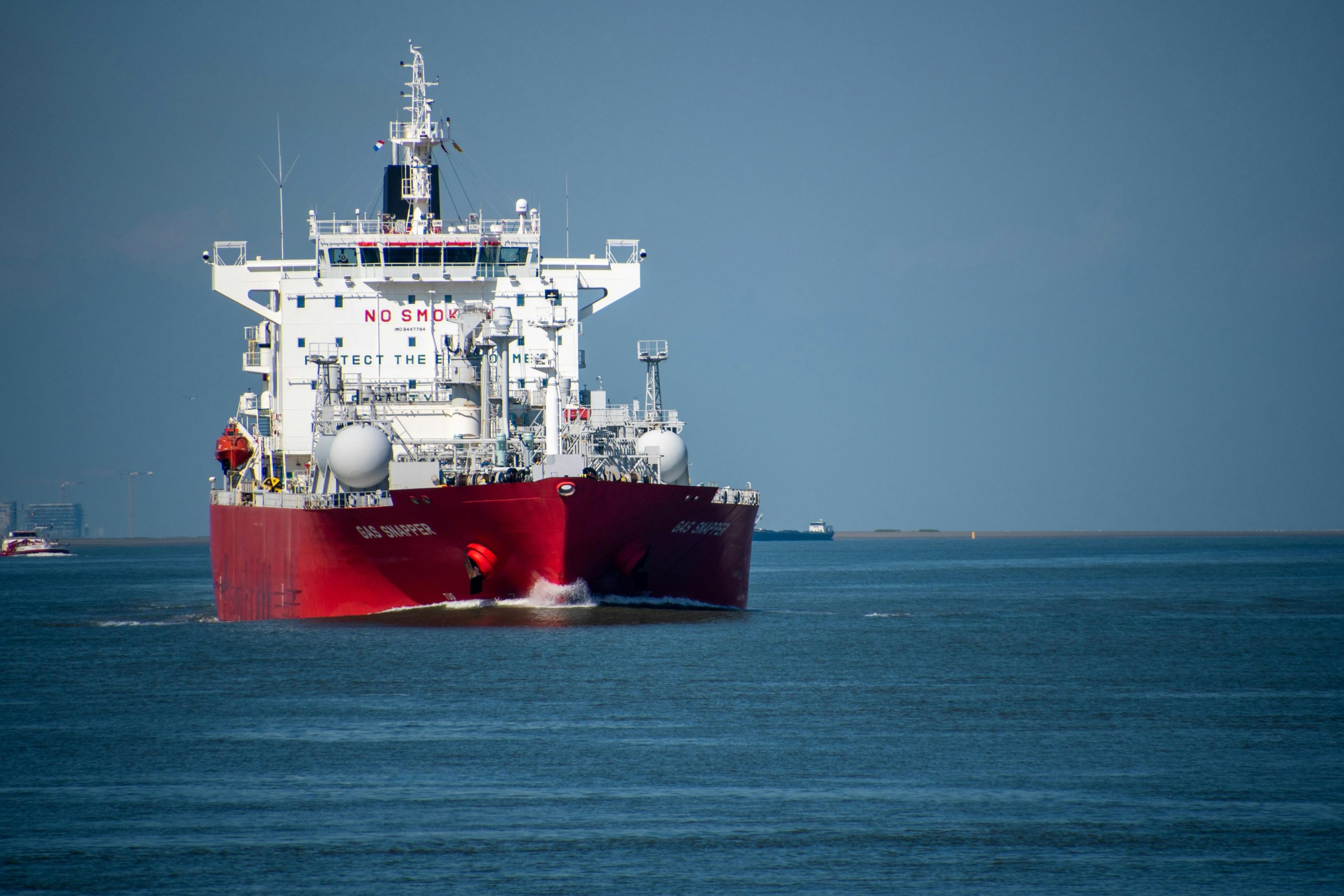
Sometimes in life or business, you’re presented with a challenge: keeping a really big engine cool.
But how are you actually supposed to do this? What works?
That’s the topic of this post. We look at some of the ways you can keep a large engine cool and what’s involved.
Here’s everything you need to know:
Regular Maintenance
First, you’ll want to ensure that you’re regularly maintaining all your cooling systems and components. These include things like your radiators, fans, and coolant levels.
This works because it catches issues early. The system doesn’t have to whirr away with problems under the surface that could be causing damage and making it less efficient.
Most industrial engine systems undergo regular maintenance to ensure that everything is in its proper place. These servicing schedules are useful because they reduce the risk of a catastrophic failure in the future,
Thermal Management Control
Another thing you’ll want to keep an eye on is thermal management controls. These are integrated circuits with advanced sensors that ensure that engines are running according to specification.
It’s normal, of course, for engines to get warm: that’s just physics. But these computers check the temperature at multiple points and match it to the pattern expected by the manufacturer. This combination means that the overall system can accelerate or throttle the engine, according to real-time performance, and warn crews of an issue.
You sometimes see these systems being used on ocean-going vessels. They monitor the performance of their engines, bringing everyone up to speed.

Liquid Cooling
Liquid cooling systems for large engines might sound advanced, but they have been in use for a long time. The idea is to circulate cool liquids around the engine components so they can emit more of their heat.
In shipping, you need a marine water pump to push sea water around the engine. When the cool liquid comes into contact with the engine, it transfers some of its energy to it.
Radiators are okay for smaller engines, but they aren’t optimal. Air simply doesn’t have the same capacity to absorb energy as water.
Heat Exchangers
You sometimes also see heat exchangers working on the same principle. The idea is to transfer the energy out of the engine and into the surrounding environment somehow.
This technique works well in industrial setups and marine applications. Most systems use plate of shell-and-tube arrangements to transfer energy from the engine to the rest of the environment.
Air Cooling With Fans
Lastly, you sometimes see industrial engines being air cooled with fans. These aren’t as common, but they can be effective, especially if the fin design on the radiator is dense.
Air cooling with fans is essentially the same as with liquid. However, their implementation is simpler so it doesn’t require as much maintenance. You might prefer this method if you want to keep things simple for a while, or you want to avoid liquids for some reason, perhaps because they are hazardous to what you want to achieve in your enterprise.
This article may contain affiliate links, which means we may earn a commission if you purchase through these links. This comes at no additional cost to you and helps support the operations of The We Spot—thank you for your support! The views and opinions expressed in this article are solely those of the author and do not necessarily reflect the views of The We Spot, its owners, employees, sponsors, or affiliates. This content is for informational purposes only and does not constitute legal, financial, medical, or therapeutic advice. Readers should consult a qualified professional before making any decisions based on the information provided.