
There are hundreds of different ailments, infections, and diseases that can affect humans. In many cases, there’s no need to panic, but sometimes, it’s best to take swift action. In this guide, we’ll highlight some common health symptoms to look out for and discuss when to seek expert help.
Skin rashes and irritation
Rashes are incredibly common. Most people will experience itchy, irritated skin at least once in their lives. There are multiple causes of rashes, some of which are more serious than others. Allergies are a common issue. If you have an allergy to something, you may find that you break out in hives, your skin gets itchy or red, or you develop cracked, bumpy, or dry skin. You may get a rash if you’re allergic to animals, food products, or ingredients found in washing powder, cosmetics, cleaning products, or toiletries. Avoiding triggers and taking antihistamines can help you prevent allergic reactions. If you have a very aggressive reaction to an allergen, known as anaphylaxis, seek urgent medical attention. Anaphylactic reactions can be fatal.
Viral infections are another well-known cause of rashes. Examples include chickenpox, measles, and shingles. If you’re not familiar with shingles, a quick online search using a simple question like, ‘What is shingles?’ will point you in the direction of helpful links and resources. Shingles and chickenpox are caused by the varicella-zoster virus. Shingles causes a painful, red, blotchy rash on one side of the body. Chickenpox causes spots to form, which blister and then scab. Measles tends to cause red/brown spots and blotchy patches, which usually start on the face and neck. It’s important to seek medical advice if you have shingles or measles, or you have severe symptoms of chickenpox.
Tiredness and fatigue
Most of us have days when we feel more tired and lethargic than normal. It’s common to feel tired if you have a late night, you’ve been busy, or you’ve not been sleeping well. If you’re getting plenty of sleep, however, and you still feel tired, or your energy levels are low, it’s beneficial to see your doctor. A lack of energy can be linked to thyroid problems, hormone imbalance, or problems with your diet. Fatigue without any obvious cause can be a sign of some types of cancer as well as issues with your hormones.
Headaches
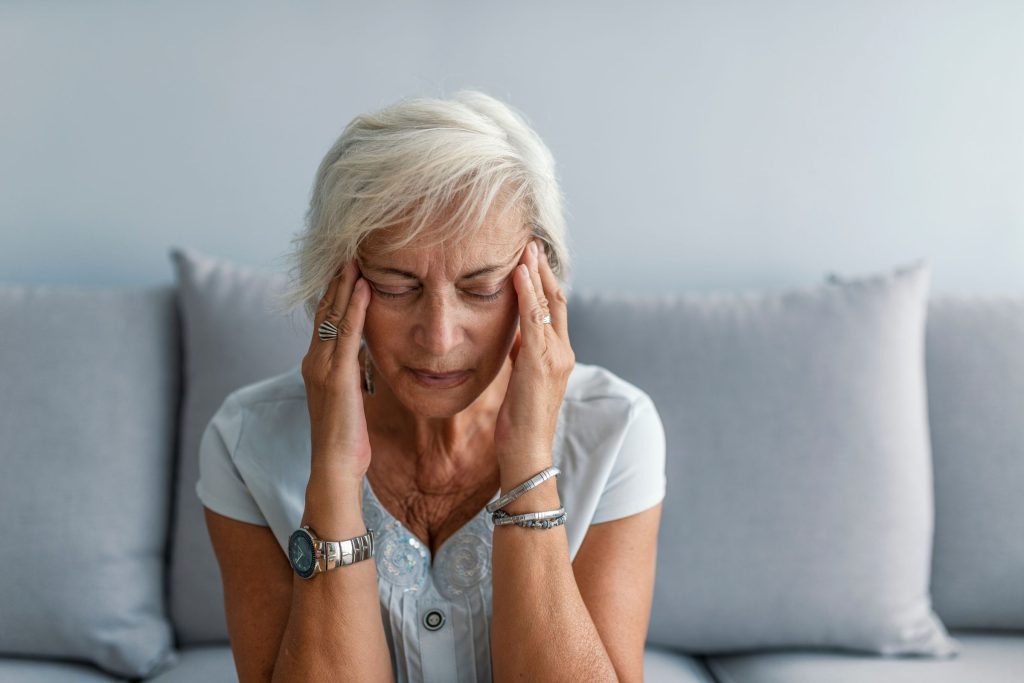
Around 15% of the global population experiences a headache on any given day, according to a study published in the Journal of Headache and Pain. Headaches are one of the most common ailments among adults, but they can be serious. Often, headaches are caused by dehydration, stress, or mild illnesses like colds, but they can be a sign of more severe problems. Examples include recurrent migraines, problems with your vision, brain tumors, and temporomandibular joint disorder (TMD). Tooth grinding is a common cause of TMD symptoms.
In most cases, you can treat headaches with over-the-counter pain relief and self-help tips, such as staying hydrated, keeping up to date with eye tests and dental checks, and getting plenty of fresh air. If you have severe headaches, persistent problems, or headaches that are getting worse, seek professional advice.
Most people experience illnesses or feel unwell from time to time. Often, there’s no cause for alarm or concern, but it’s helpful to know what to look out for and when to act. Common symptoms that affect many people include skin rashes and irritation, fatigue, and headaches. If you have any concerns about your health, you have unusual, persistent, or recurrent symptoms, or your symptoms have gotten worse, it’s always a good idea to get checked out.
This article may contain affiliate links, which means we may earn a commission if you purchase through these links. This comes at no additional cost to you and helps support the operations of The We Spot—thank you for your support! The views and opinions expressed in this article are solely those of the author and do not necessarily reflect the views of The We Spot, its owners, employees, sponsors, or affiliates. This content is for informational purposes only and does not constitute legal, financial, medical, or therapeutic advice. Readers should consult a qualified professional before making any decisions based on the information provided.