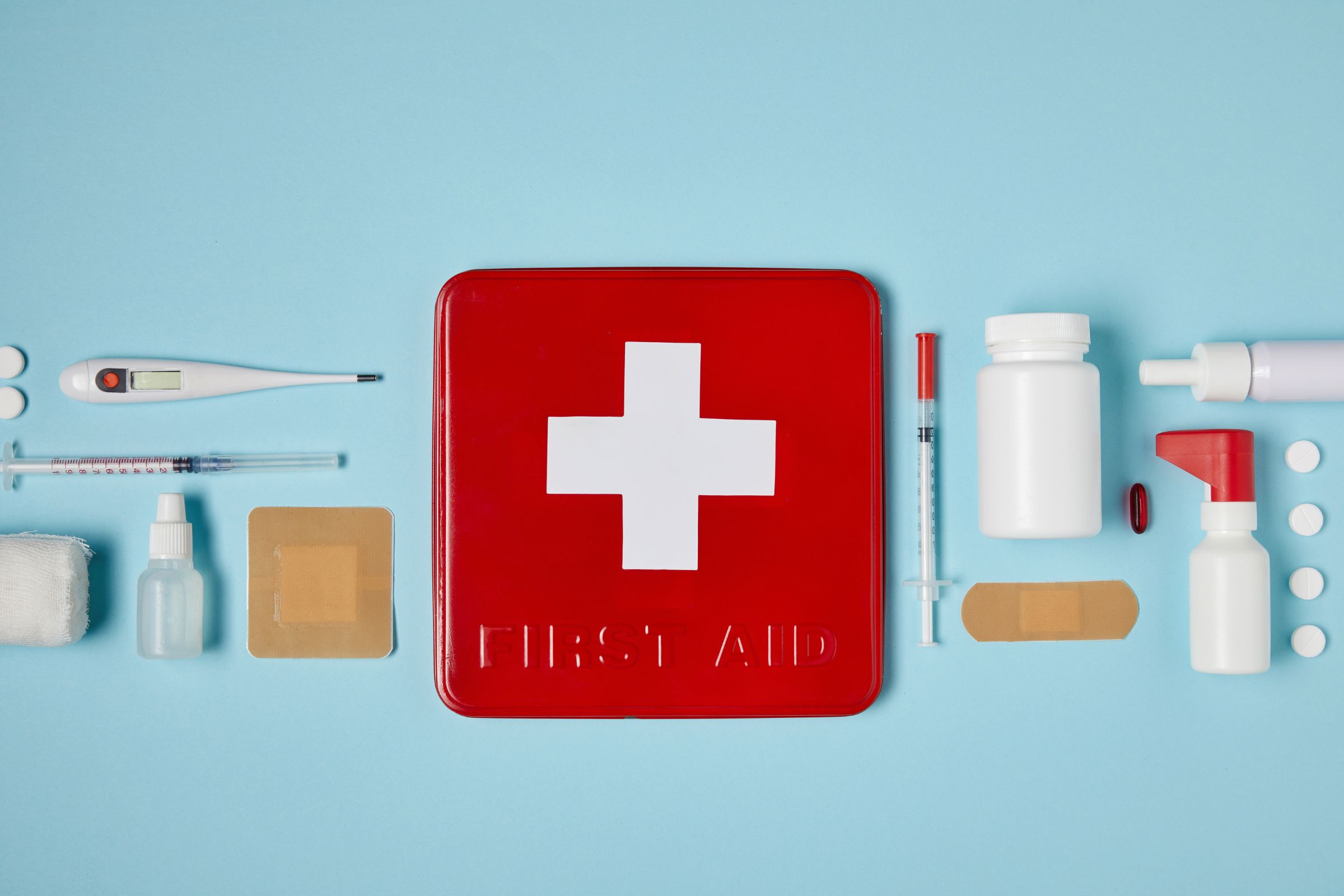
Cuts, bumps, bruises, and sprains happen all the time. We call these minor injuries and often ignore them because, once treated with a first-aid kit, they’re not overly likely to cause us too much concern. However, that doesn’t mean they should be ignored. It’s important to be a little more vigilant, even after a seemingly minor injury, as the consequences can get surprisingly severe if they’re not properly managed.
The Risk Of Infection Is Ever-Present
While there might not be anything too suspicious about a paper cut, scraped knee, or little puncture wound, without the right cleaning and care, even the smallest wound can become infected. Bacteria can enter broken skin, infecting the bloodstream and tissue, which can lead to abscesses, joint infections, and even sepsis. These complications can be severe, so it’s vital to clean and treat them immediately, then keep an eye out for early infection signs, like heat, swelling, and spreading redness.
It’s important to address any potential claims to be made where infections may have been caused by a road accident or injury caused by someone else. A local injury law firm like Rue & Ziffra can be helpful when it comes to getting financial justice where infections cause further problems from injuries that weren’t your fault.
Underlying Disorders Can Make Every Injury Matter
There are minor injuries that can become major problems due to evolving circumstances, like infections. However, some injuries can be serious because of already present underlying issues. If you have not already been diagnosed with them, blood disorders like hemophilia A can first make themselves known if you suffer an injury and then experience deep internal bleeding or external bleeding that doesn’t stop. Recognizing the severity of bleeding risks and getting immediate treatment is vital, especially if you already know that you have such a condition.
Joint And Muscle Damage Can Get Deep
Whether it’s due to twisting an ankle, banging your elbow, or hurting your foot while running, soft tissue injury might seem light, but it can worsen with time. If you’re experiencing severe inflammation, chronic pain, or joint instability, and you’re not able to improve the situation through rest, ice, compression, and elevation, then you should seek medical evaluation. These issues can affect your mobility in the long term if they’re not given the intervention that they need. This is especially important to remember for those who live active lifestyles, where the risk of these injuries becomes much more prevalent.
Any Head Injury Demands Caution
If there’s one part of the body you should be especially mindful of, it’s the head. After all, even a small bump that you recover from relatively quickly can be dangerous. Symptoms such as dizziness, confusion, and nausea are causes for immediate concern, even if they’re delayed til long after the injury happens. Mild traumatic brain injuries (like concussions) sometimes present subtly but may have long-term effects. It’s important to get checked out any time this happens, especially if you’re at extra risk due to bleeding disorders or being on blood thinners.
If you or a loved one experiences a minor injury, it’s important to treat it ASAP with a fully-stocked first aid kit and to keep an eye on it after that. Whether it leads to an emerging issue like muscle injury or infection, or unveils previously hidden conditions like bleeding disorders, you should never assume the matter is over until it’s fully healed. You may also want ot talk to a personal injury firm like Gatti, Keltner, Bienvenu & Montesi, PLC if the injury was not your fault, as they may be able to help.
This article may contain affiliate links, which means we may earn a commission if you purchase through these links. This comes at no additional cost to you and helps support the operations of The We Spot—thank you for your support! The views and opinions expressed in this article are solely those of the author and do not necessarily reflect the views of The We Spot, its owners, employees, sponsors, or affiliates. This content is for informational purposes only and does not constitute legal, financial, or therapeutic advice. Readers should consult a qualified professional before making any decisions based on the information provided.