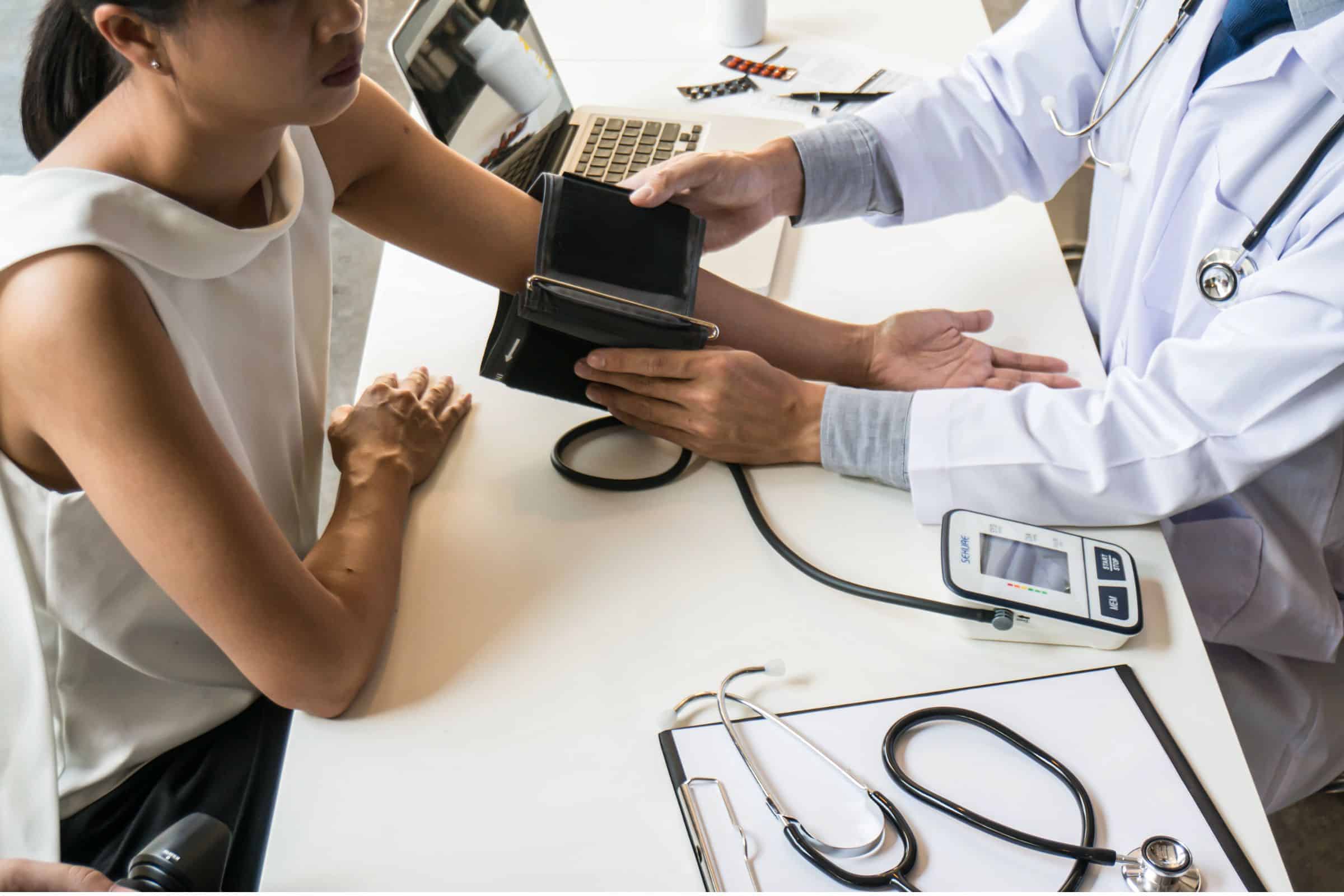
When it comes to women’s health in medical spaces, many are still finding it incredibly hard to be heard. There are a number of factors that contribute to this, such as a male-centric model used in medical research and education, to historical biases and systematic issues.
This guide shall look at the difficulties that women face when trying to get answers to their health concerns and how that impacts women’s health in general.
Historical gender bias
For many centuries, women’s health complaints, especially those that are unexplained when it comes to pain or psychological distress, were often dismissed as hysteria. This legacy persists somewhat, with a lot of healthcare providers still likely attributing women’s symptoms to anxiety, stress, or emotional issues rather than seeking out potential underlying conditions.
Male-centric medical research
Over time, women were often excluded from taking part in any clinical trials and medical studies. This was partly due to unfounded concerns when it came to hormone fluctuations or a potential risk to a fetus.
The male body, however, is considered the ‘norm’ in medical education and research. This has contributed significantly to the knowledge gaps when it comes to how diseases can affect women.
Different symptom presentation
Many conditions, like autoimmune disorders and heart diseases, often present differently in women than in men. Women’s symptoms are typically nausea, back pain, or fatigue when a heart attack is imminent. These symptoms, though, are often considered by health professionals as atypical and, therefore, often misdiagnosed or overlooked, leading to further threat to life.
Pain dismissal
Women’s pain is often underestimated and undertreated. Many studies have found that women who deal with acute abdominal pain are likely to wait longer for pain relief when waiting in the ER. Men are more likely to be provided with strong painkillers, while women will be offered a sedative.
Conditions like endometriosis are proven to take years to diagnose because often than not, the pain is dismissed as being a bad period, despite it meaning many end up being bed-bound when going through their menstrual cycle.
Provider attitudes and stereotypes
While a doctor in private practice is likely to be more proactive, with their exploration and diagnosis, there tend to be a lot of unconscious biases and societal stereotypes that influence how healthcare professionals perceive women.
There’s often an attitude towards women that they’re more emotional and therefore prone to exaggeration as a result.
Systematic pressures
Time constraints within clinical settings can also make it difficult for doctors to listen to complex or vague symptoms. Thus, leading them to fall back on pattern recognition that is based on male models of disease.
All of these factors can lead to significant diagnostic delays, inadequate treatments, and, in some cases, worsen the health outcomes for women in question.
Lack of cultural awareness
Women from ethnic minority backgrounds can often face additional barriers due to the lack of cultural awareness that some medical staff might not have. The same goes for language difficulties that can often cause barriers, too.
These factors lead to significant diagnostic delays, inadequate treatment, and, in some cases, poor health outcomes for women.
This article may contain affiliate links, which means we may earn a commission if you purchase through these links. This comes at no additional cost to you and helps support the operations of The We Spot—thank you for your support! The views and opinions expressed in this article are solely those of the author and do not necessarily reflect the views of The We Spot, its owners, employees, sponsors, or affiliates. This content is for informational purposes only and does not constitute legal, financial, medical, or therapeutic advice. Readers should consult a qualified professional before making any decisions based on the information provided.