If you think about it, seeing our parent’s age is pretty bittersweet. Just like you, they grow older. When you were younger, they may have played with you, raced with you, picked you up, gave you piggyback rides, and the list goes on and on. Then it gets to the point where their hair turns grey, they get more aches and pains, and they’re just not able to do the things they used to do with you.
Now, everyone goes through this, literally everyone. While we all get older, everyone needs to do what they can to properly take care of their health, and yes, that’s no different for your parents either.
Now, encouraging your aging parents to stay active is one of the best things you can do for their health, but it can be tricky. They might feel resistant, especially if they’ve slowed down over the years. But staying physically active doesn’t have to mean strenuous exercise or intense gym routines. It’s all about finding ways to help them move more regularly in a way that feels comfortable and enjoyable.
But how exactly can you get started in nudging them in the right direction? Well, there are a few ways to go about it, so here’s exactly what you need to know!
It’s About Acknowledging the Reality of Aging and Activity
Before diving into solutions, it’s essential to recognize that as people age, their mobility and physical capabilities naturally change. For some, the idea of physical activity becomes intimidating, especially if they’ve faced injury or pain in the past.
But even with these challenges, there’s plenty they can do to stay active—it’s just about starting small and finding the right activities. Basically, even though there are people at your gym who are the same age as your parents (or older), you can’t have the same expectations of your parents because everybody is different.
It’s About Starting Small
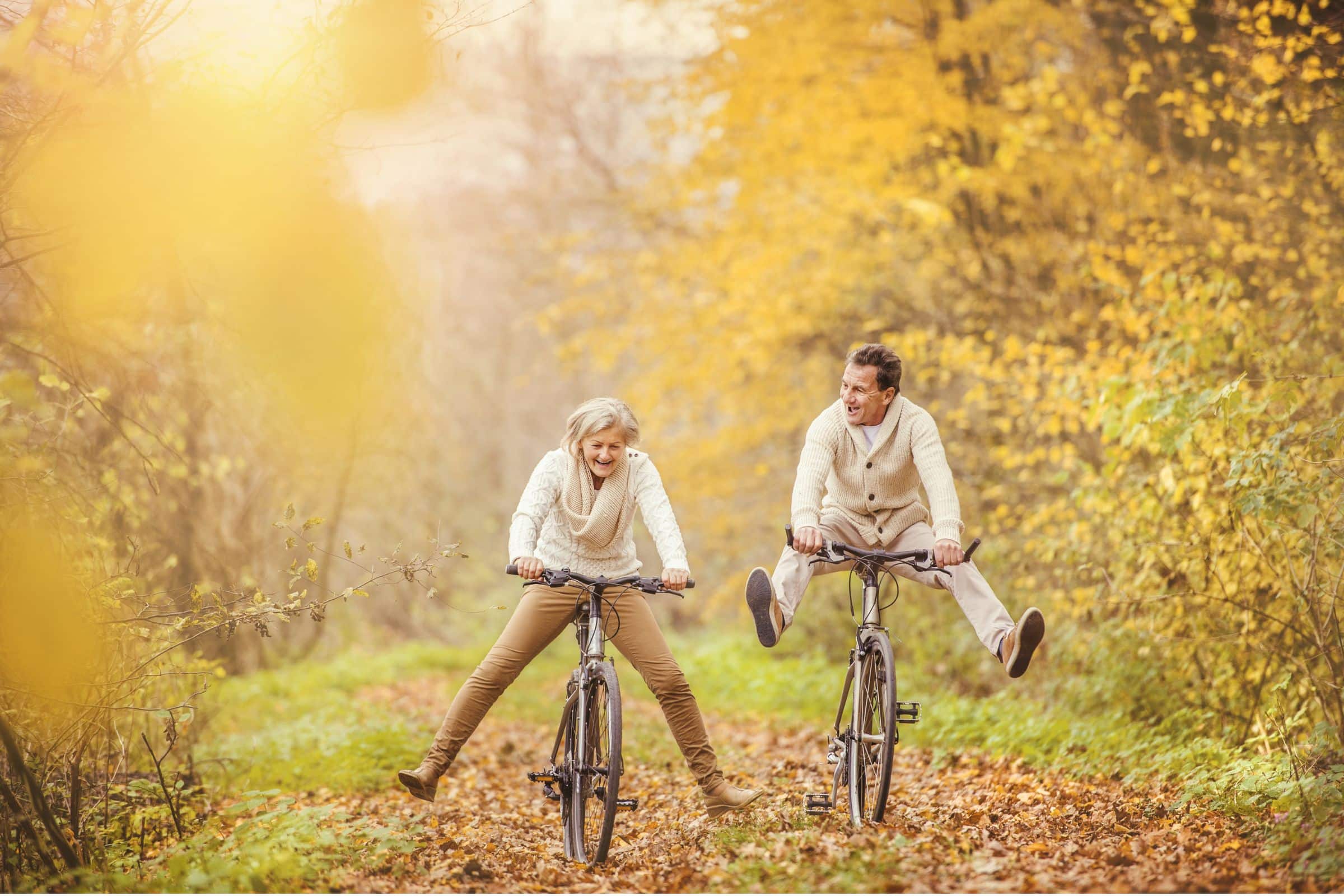
Now, one of the simplest and most effective ways to get your parents moving is through walking. Just think about it, it’s low-impact, can be done almost anywhere, and doesn’t require any special equipment. Encourage them to start with short, leisurely walks, perhaps around the neighborhood or in a local park. For example, walking just 10 to 15 minutes a day can make a huge difference in their physical health.
Plus, walking outdoors offers additional benefits. Besides, the fresh air and sunshine can improve mood, and being in nature can help them feel more connected to the world around them. If your parents enjoy company, consider joining them for a walk or suggest they walk with a friend or neighbor.
Make Exercise a Social Activity
You can’t forget that, yes, people tend to feel lonelier with age. So, for many seniors, social interaction is just as important as physical activity. Finding ways to combine the two can be incredibly effective. Actually, many community centers and senior organizations offer group exercise classes specifically designed for older adults, such as chair yoga, water aerobics, or low-impact dance classes.
Have you ever been to the mall in the morning only to see old people? Well, chances are, it was organized. Now, these classes are great because they allow your parents to exercise at a pace that feels right for them, with the added bonus of making new friends.
It’s All About Setting Realistic Goals
When trying to motivate aging parents to be more active, it’s important to start with realistic goals. This is all about the expectations for the both you really. Just think of it this way; you’re not trying to get them to run a marathon here! Start with manageable targets that they can achieve without feeling overwhelmed. It might be walking for 15 minutes a day or doing some gentle stretching each morning.
So, the key is to make sure they feel accomplished. Progress, no matter how small, should be celebrated. Over time, as they gain confidence, they can gradually increase their activity levels. Little by little, they’ll feel more capable and motivated to keep going.
Strength and Balance Exercises are Key
Now, you really have to keep in mind that as we age, it’s not just about getting the heart pumping—strength and balance exercises become crucial to maintaining independence. Losing muscle mass and bone density is a natural part of aging, but that doesn’t mean it can’t be slowed down. It doesn’t matter when the last time your parents exercised, again, it’s not a competition.
All it really takes is some simple strength exercises using resistance bands or light weights can help maintain muscle tone without being too intense. That saying “slow and steady wins the race” is pretty true, because they should go slow, they should keep it steady, and yeah, they will get healthier.
Keep Things Low Pressure
One of the biggest mistakes people make when encouraging their aging parents to get more active is applying too much pressure. For some seniors, the idea of physical activity feels daunting, especially if they’ve been inactive for a long time. So, the goal is to make movement feel natural, not like a chore. For example, you might want to avoid pushing them into activities they’re uncomfortable with. Actually, make sure you hold close to this one because their comfort levels are everything!
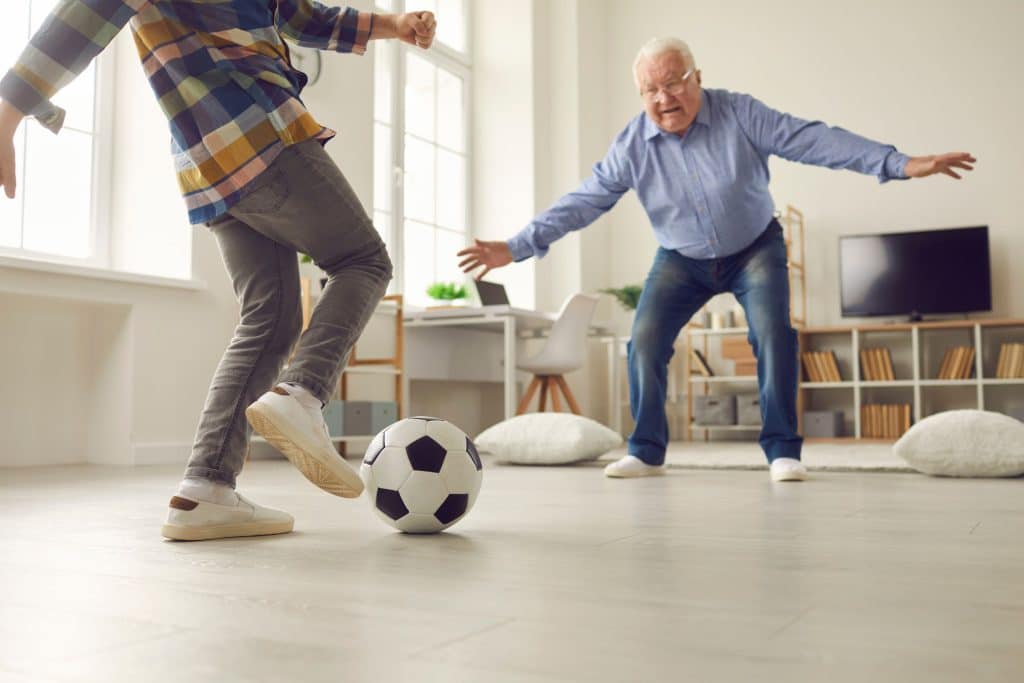
Maybe they hate the idea of lifting weights, but they’re fine with gardening, or dancing, or even deep cleaning the house. Thats fine too, because there’s no one size fits all when it comes to being active.
Get Medical Advice and Support
This is one that usually younger folks tend to forget, but since your parents are aging, they really need to pay close attention to this one. So, before starting any new exercise routine, your parents (or any senior) are going to have to consult with their doctor first. Sure, younger people are supposed to do this, but it’s a major deal the older you are. But why, though?
Well, a doctor can offer personalized advice based on any existing medical conditions and suggest activities that will be safe and beneficial. There’s just a lot more that needs to go into account when you’re older, such as bone density and blood pressure. However, some health plans for seniors offer additional support, including wellness programs or discounted fitness memberships, which could help ease the transition into a more active lifestyle.
Mental Health Matters Too
So, you really need to remember that it’s not just physical health that benefits from regular exercise—mental and emotional well-being can improve, too. Again, they tend to get lonely as they age, and they’re dealing with other stressors such as more aches, pains, and fatigue, and it goes beyond all of that, too. Be patient, show a lot of love, and just keep being encouraging because staying active at an old age is far from easy!
We sometimes use affiliate links in our content. This won’t cost you anything but it helps us to offset the costs of the blog. Thank you for your support! The opinions expressed in this article are solely those of the writer and do not necessarily represent those of The We Spot, its employees, sponsors, or affiliates.