There’s an assumption that happiness decreases as one ages, but that’s not supported by evidence. In fact, the evidence suggests that the opposite is true — rather than becoming grumpy and jaded in their later years, most people report better emotional well-being than in their younger years.
Still, even if that’s the case, it doesn’t mean that life is automatically a bed of roses as you get older. Growing older can present its own challenges, specifically physical-related challenges. There can also be emotional and mental concerns.
Proactively managing these concerns is key to boosting quality of life as one ages. You can’t always escape the difficulties that come from entering your sixties and beyond, but you can take steps to minimize their impact. In this post, we’ll run through a few of the most effective strategies for ensuring your mental, physical, and emotional well-being is kept as robust as possible for as long as possible.
Get Moving
The body naturally weakens and begins to slow down as you get older, but there are ways to combat this. Getting 2 – 3 hours of moderate exercise each week can help to keep your body strong and energetic, which is exactly what it needs to be for you to enjoy life to the fullest. Plus, strength training helps to combat frailty, which can be highly effective for preventing falls, which are the leading cause of injuries in those aged 65 and older.
Eat Well
Eating well is vital for ensuring that your body has what it needs to be at its physical and mental best. Eating a healthy diet has been linked to improved immunity, better memory and focus, and can help you stay independent as you get older. There’s also the fact that eating a healthy, wholesome meal can also just make you feel better, since who isn’t happier after they’ve taken the time to prepare a great meal? Think of food as the fuel that gives your body the energy and goodness it needs to get you through the day.
Improve Sleep
Consistently getting enough sleep can have a significantly positive impact on older adults, impacting everything from their immune system, their body’s ability to heal itself, fall prevention, and emotional well-being. It’s just a fact that most people are in a better mood when they’re well-rested, and that’s just as true for older adults as it is for teenagers. If you find that it’s increasingly challenging to fall and remain asleep, then consider making a few changes. Creating a sleep-friendly bedroom that’s dark, quiet, and the right temperature can make a big difference.
Health Screenings
You’re more likely to experience health issues as you get older. Taking a proactive approach to your health will help you catch issues early, which can make them much easier to treat/manage. It’s recommended to go for a checkup once a year. In addition, it’s also advised to get tested as soon as you exhibit symptoms of major conditions; you can take an early Alzheimer’s detection test if you have memory concerns, for instance, or test your blood pressure if you have bouts of dizziness. It’s not always possible to prevent health conditions, but catching them early can make a big difference to the outcomes — and your quality of life.
Yoga and Healthy Habits
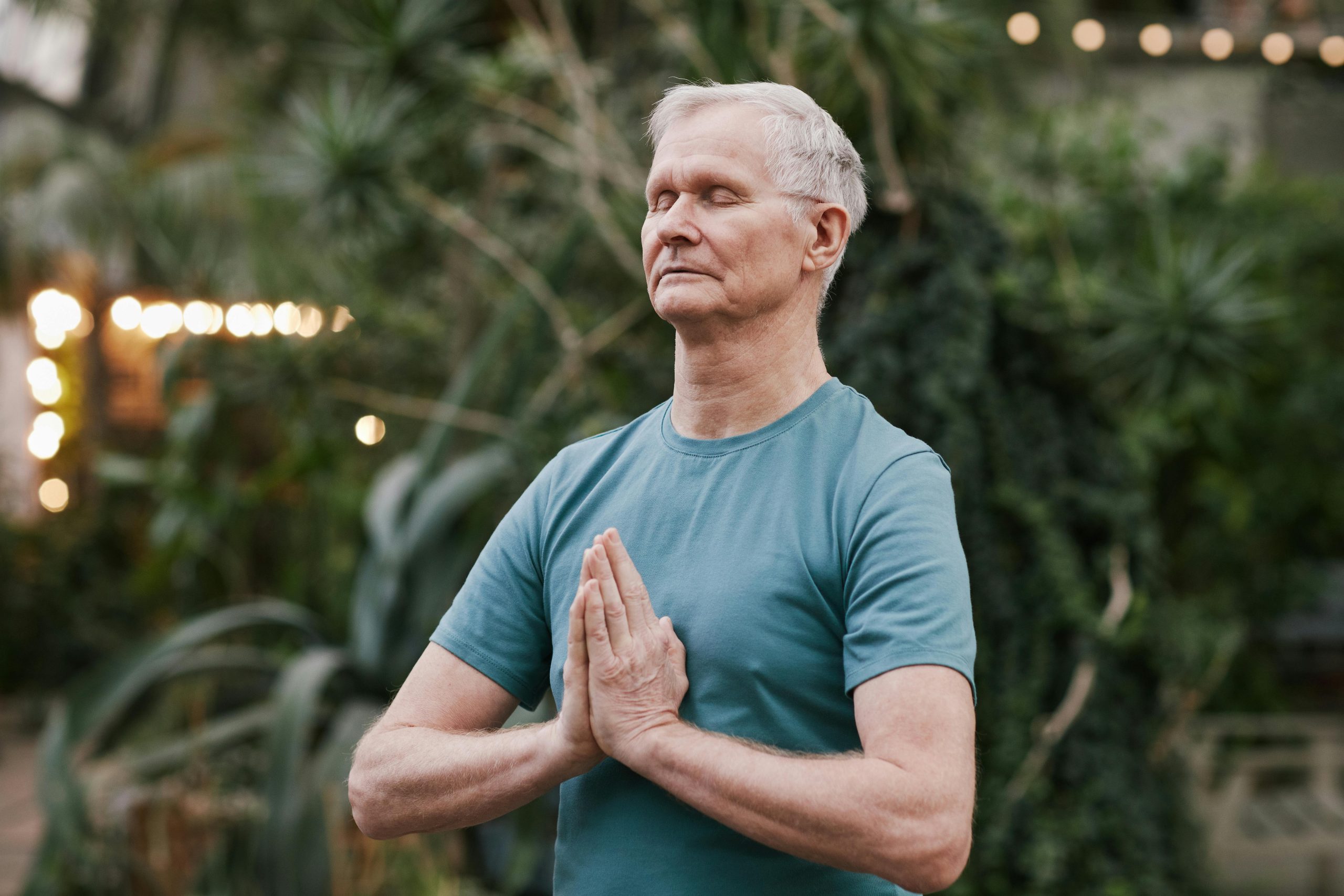
Enhancing quality of life as one ages usually comes down to proactively managing the issues that can decrease it in the first place. For instance, many people in their sixties find that they’re facing increasing aches and pains in their bodies, and that their mobility is becoming reduced. It’s natural that our bodies begin to tighten up slightly as we get older, but that doesn’t mean that we have to settle for it. Practicing yoga can be an excellent way to enhance flexibility and mobility, and it can also do wonders for your mental and emotional well-being. There will likely be senior-focused yoga classes in your local area, but there are also YouTube tutorial classes if you don’t quite feel like doing yoga in public just yet.
Combining yoga with other healthy habits, such as meditation, breathwork, and avoiding alcohol, can also do wonders for your overall well-being. Try them for a month, and we’re fairly confident that you’ll be in no rush to give them up once the month is over.
Create a Safe Home Environment
Your living arrangements will be the foundation of a healthy, happy life. After all, it’s much easier to be at your best when you live in surroundings that support your overall well-being. It’s important to keep in mind that what worked for you in your earlier years may not have the same impact now that you’re in your retirement years. If you’re beginning to slow down a little, then it’s recommended to take the opportunity to review your home environment and see if there are any adjustments that should be made. Even changing the lighting or installing grab bars can make a difference.
It may also be worth considering if your current home really is the best place for you. If you have many children who have now left home, it may make more sense to sell up and downsize.
Gratitude and Positivity
One of the challenges of later years and getting older is living with the fact that some opportunities are now lost to you. You may also be living with regrets, be it of a professional or personal nature. While it’s OK to acknowledge these lost opportunities and regrets, it’s also important not to become too preoccupied with them. Focusing on all the good things that you’ve had and continue to have in your life is vital for staying happy as you get older. If you find this difficult, then look at nurturing your gratitude and positivity. By keeping a gratitude journal, focusing on the positive, and not dwelling on what could have been, you’ll find that you’re better-equipped to live a happy and joyful life, no matter how old you are.
This article may contain affiliate links, which means we may earn a commission if you purchase through these links. This comes at no additional cost to you and helps support the operations of The We Spot—thank you for your support! The views and opinions expressed in this article are solely those of the author and do not necessarily reflect the views of The We Spot, its owners, employees, sponsors, or affiliates. This content is for informational purposes only and does not constitute legal, financial, medical, or therapeutic advice. Readers should consult a qualified professional before making any decisions based on the information provided.